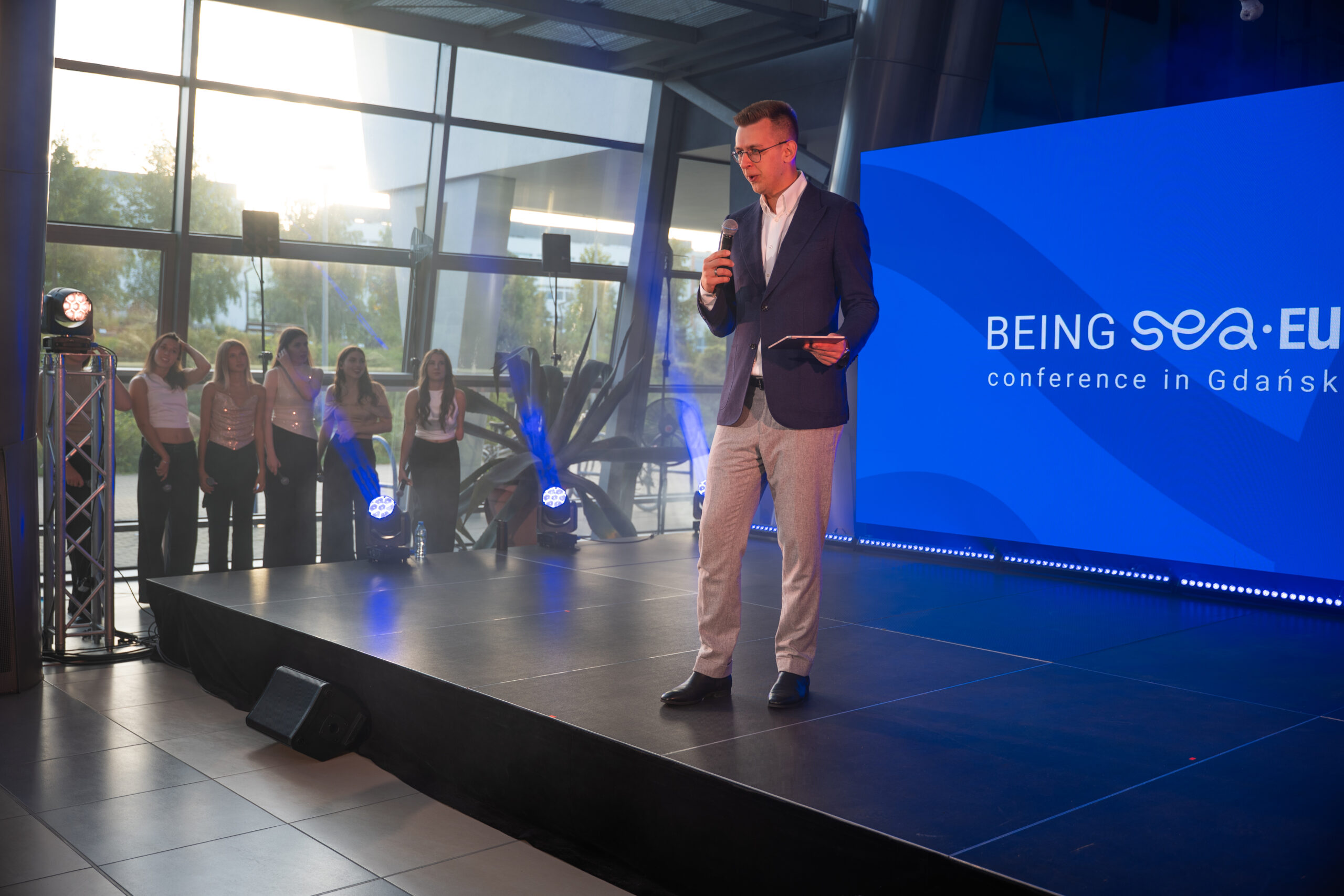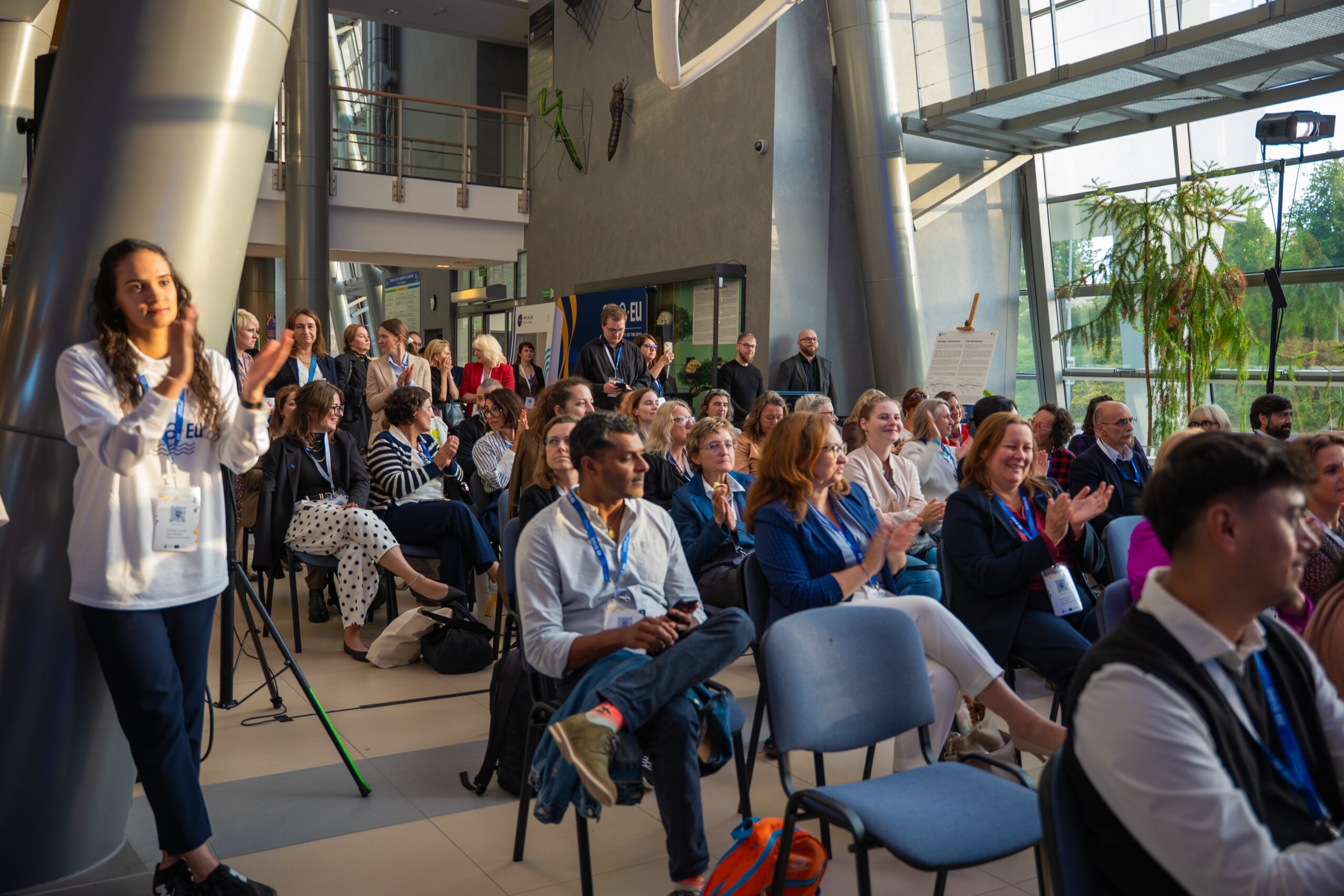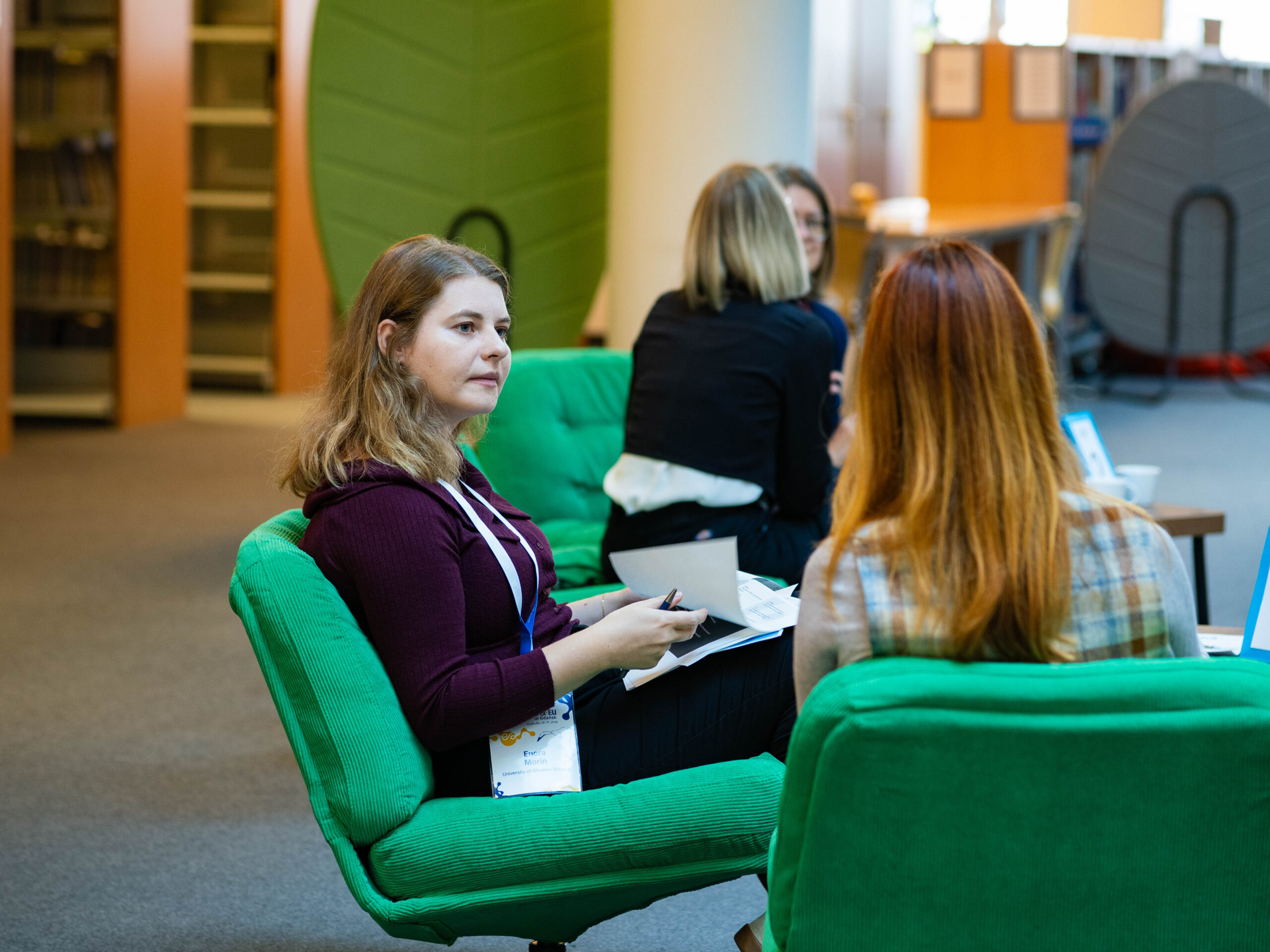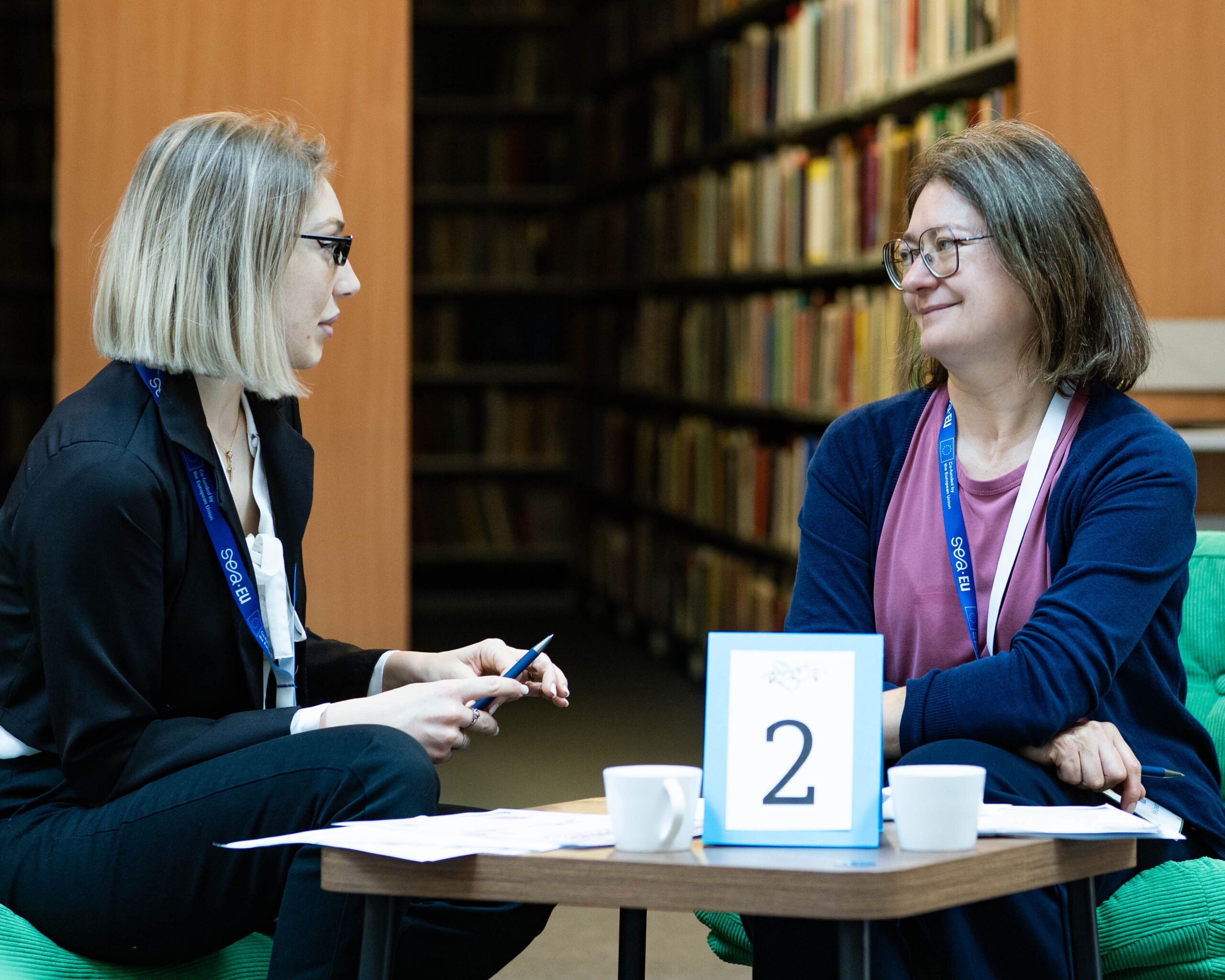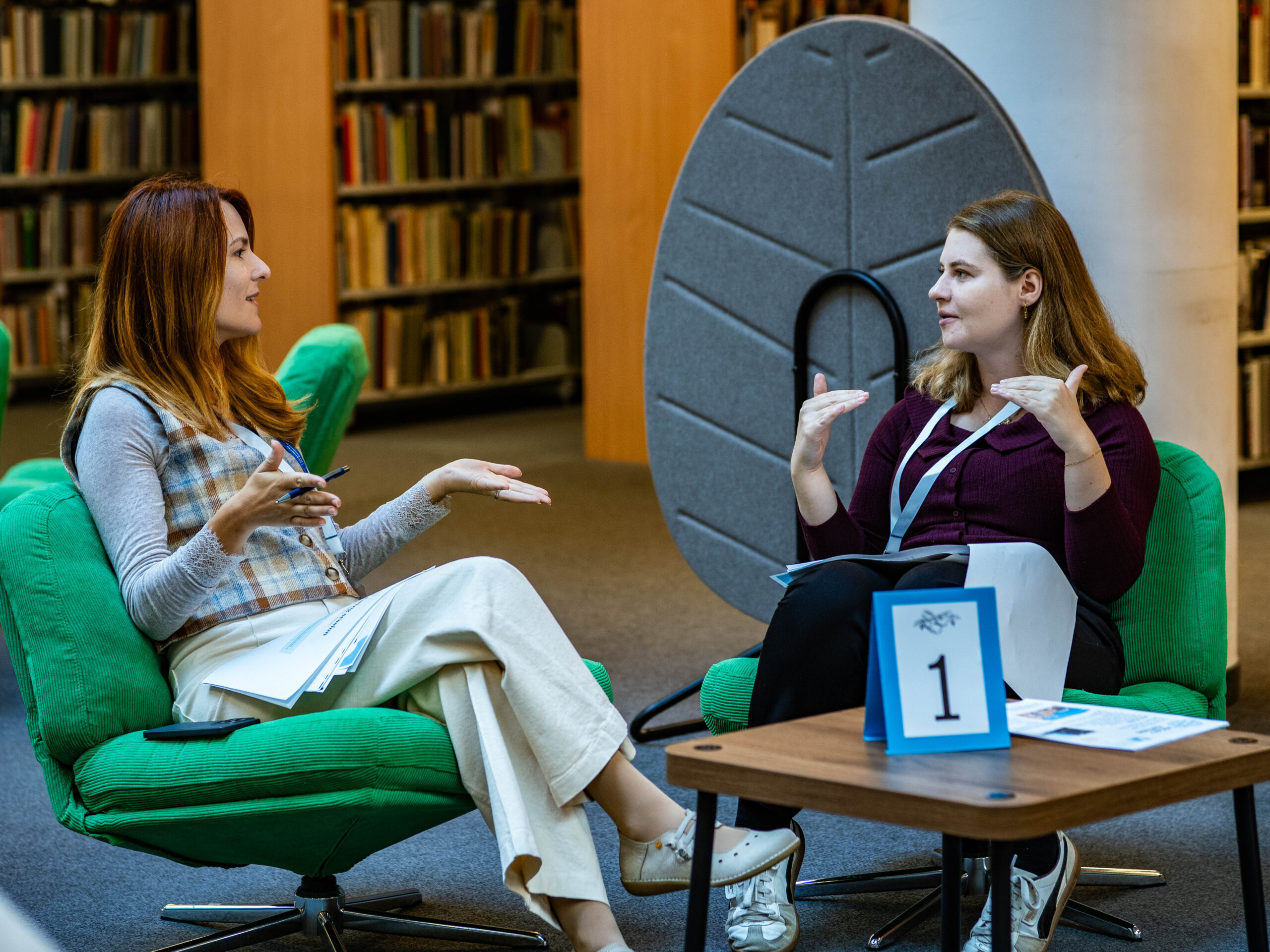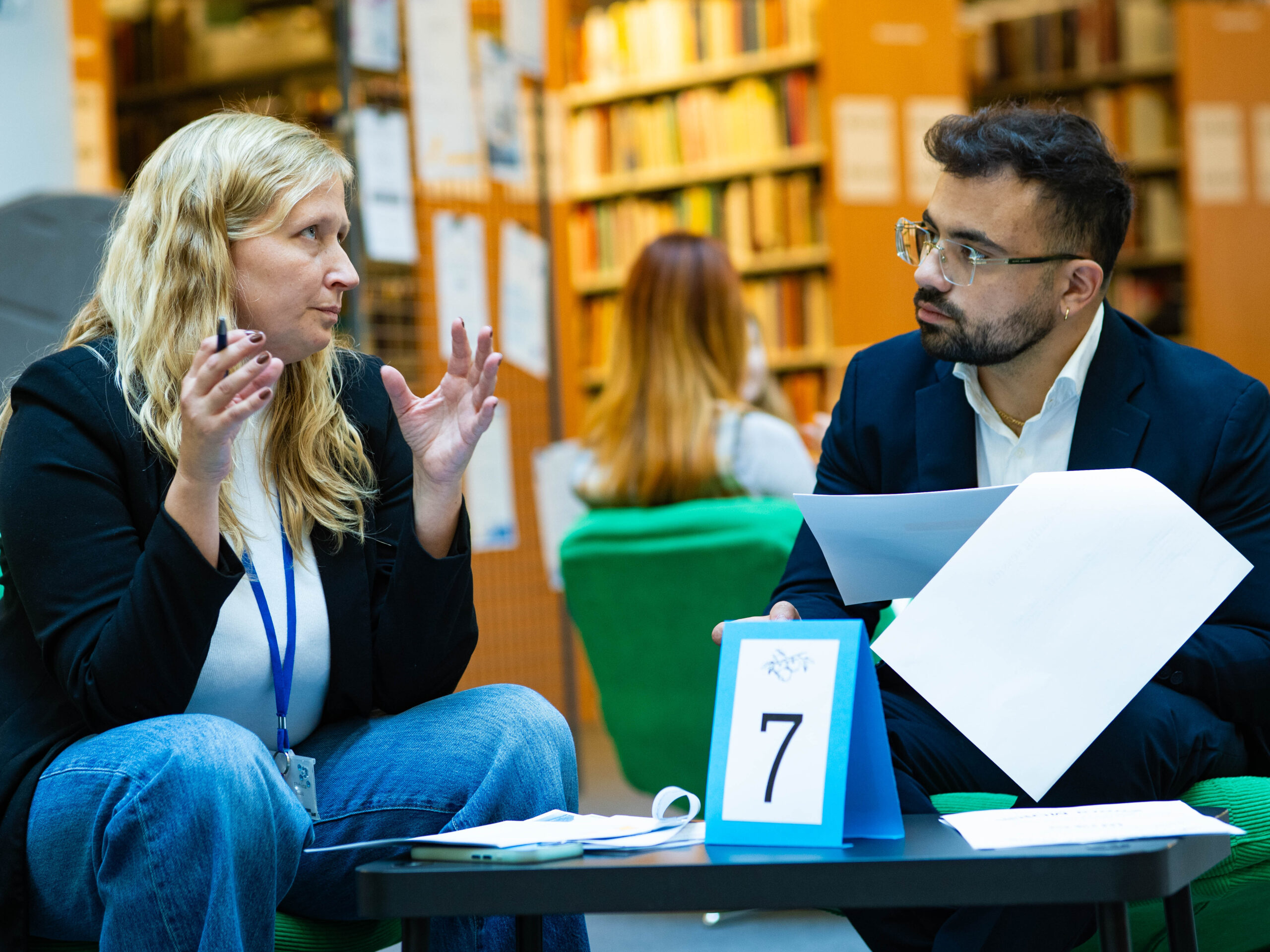
Being SEA-EU in Gdańsk
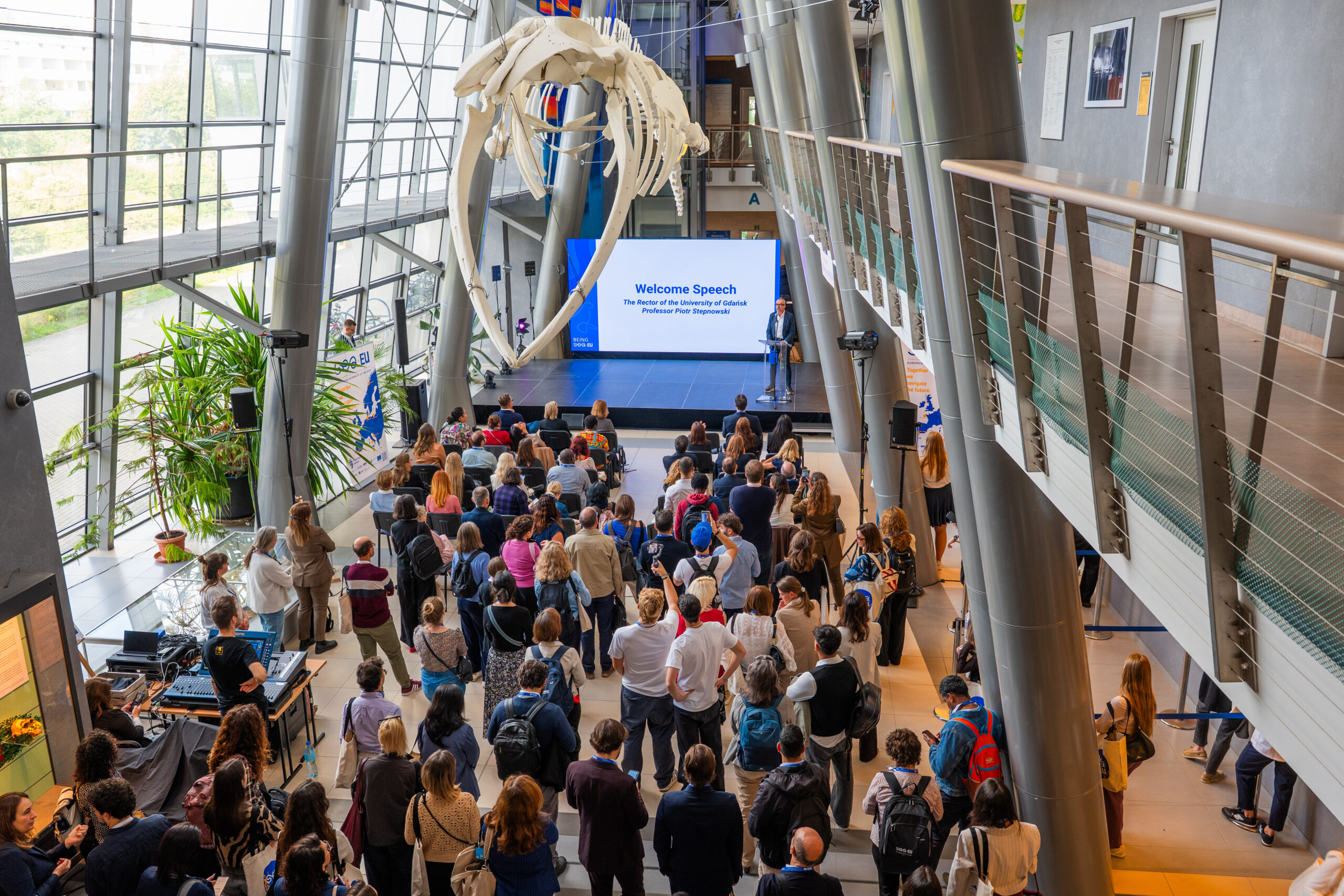
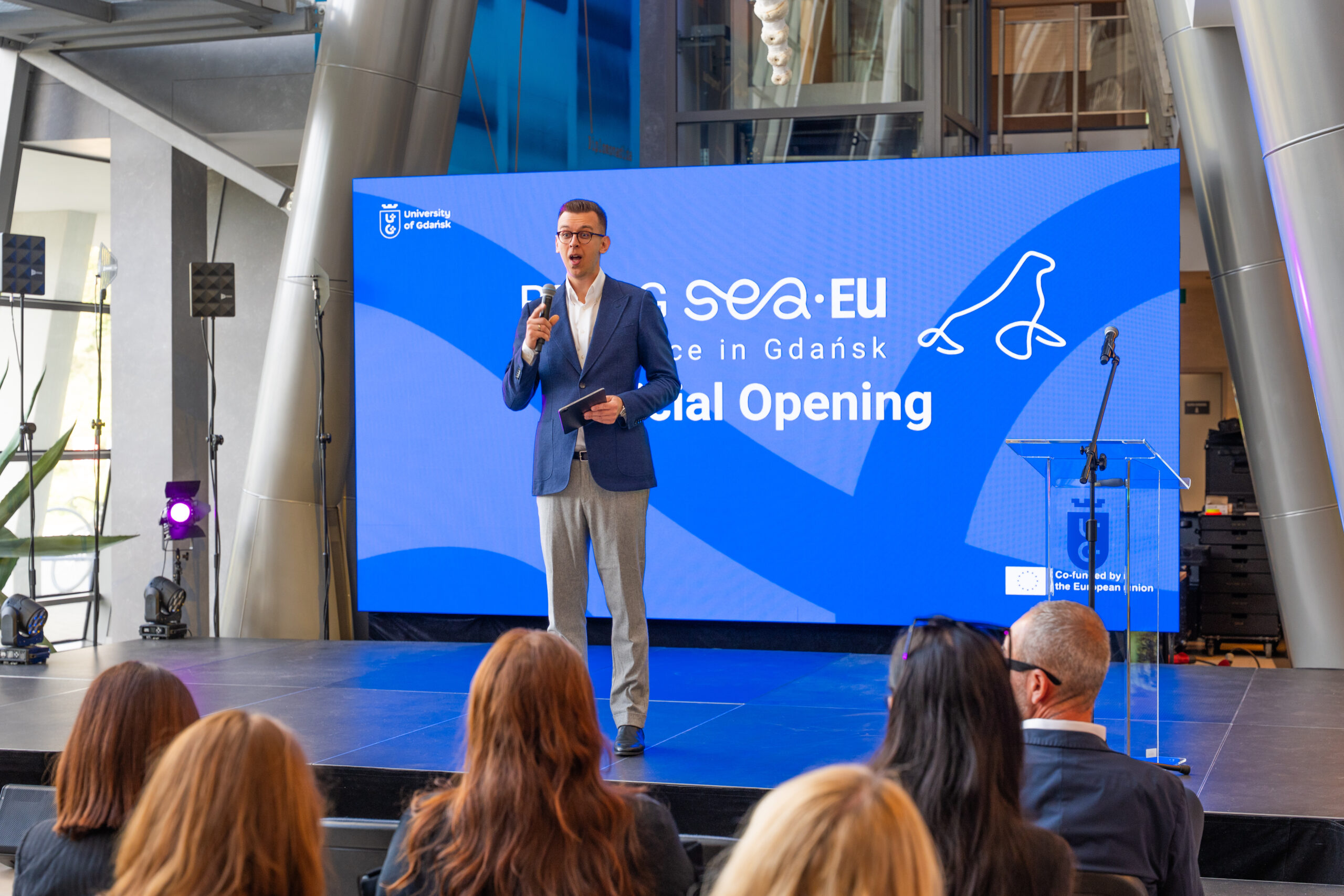
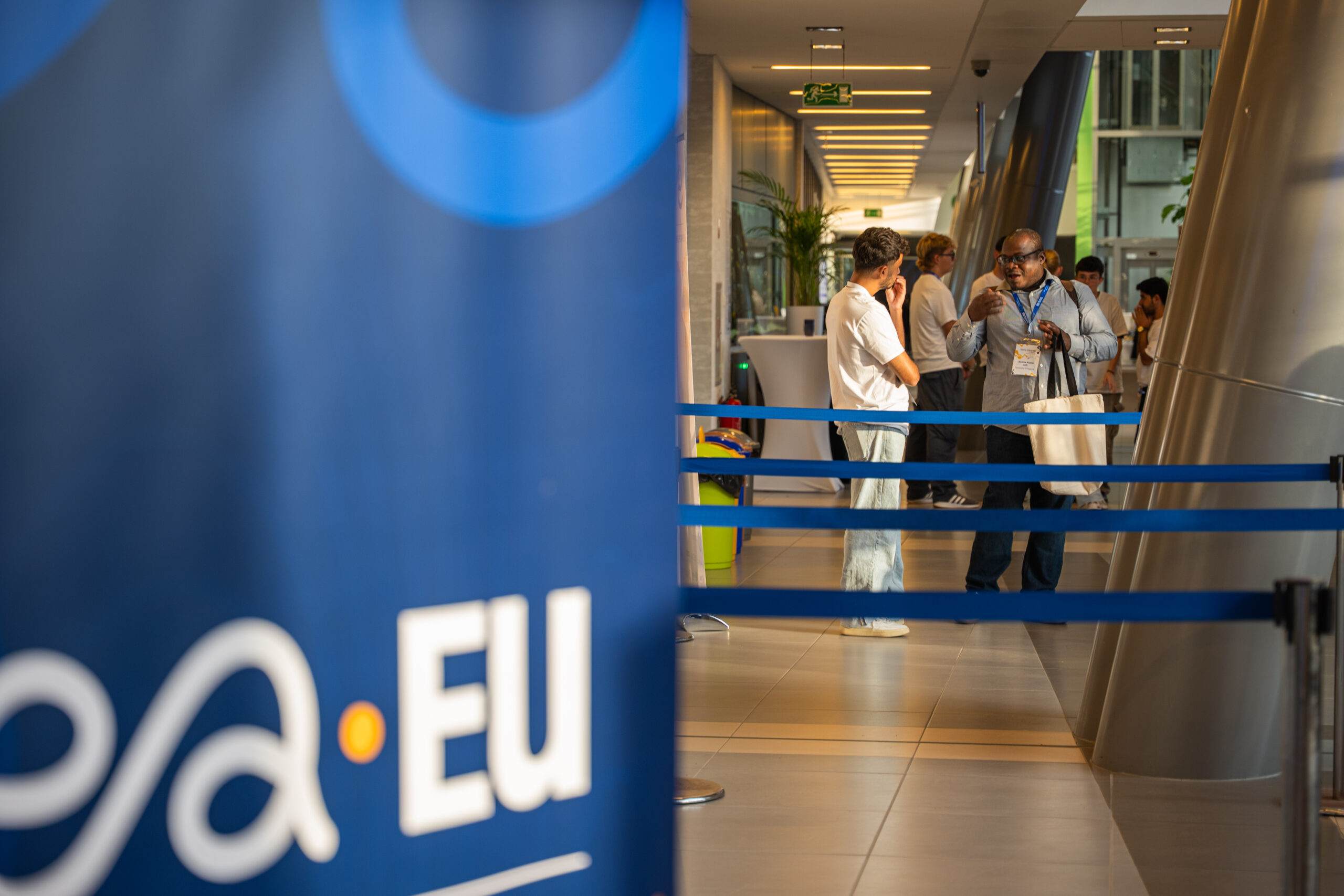
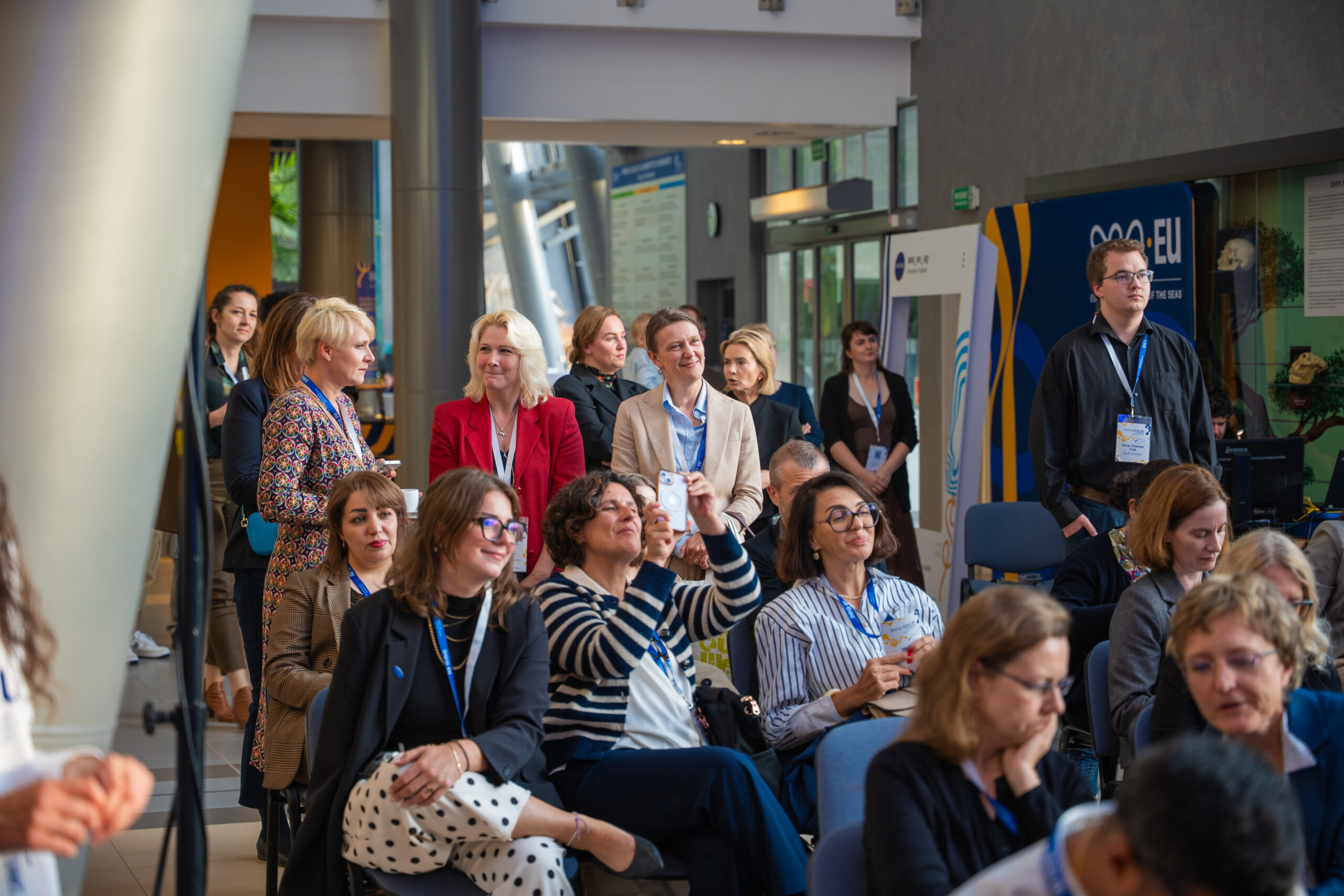
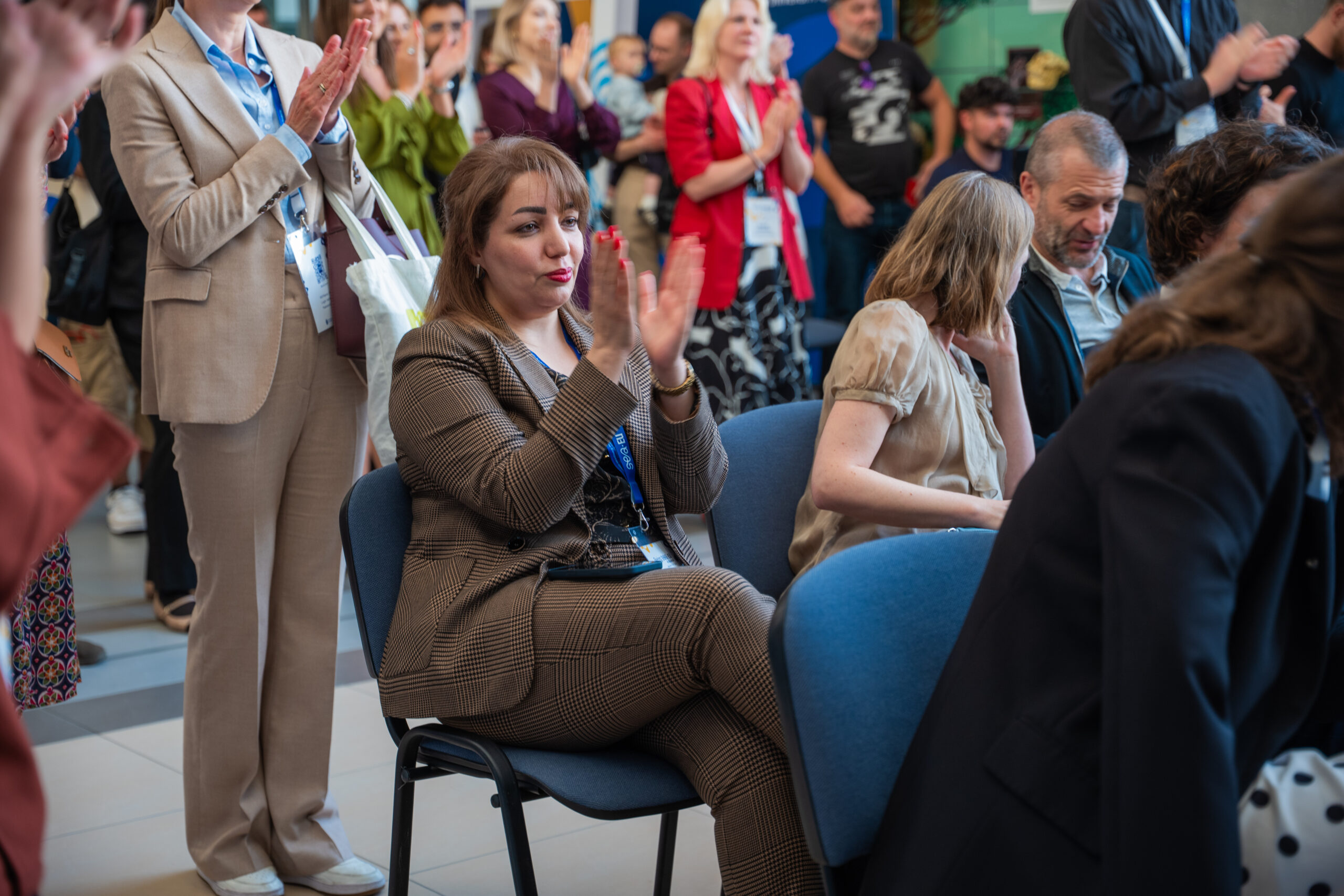
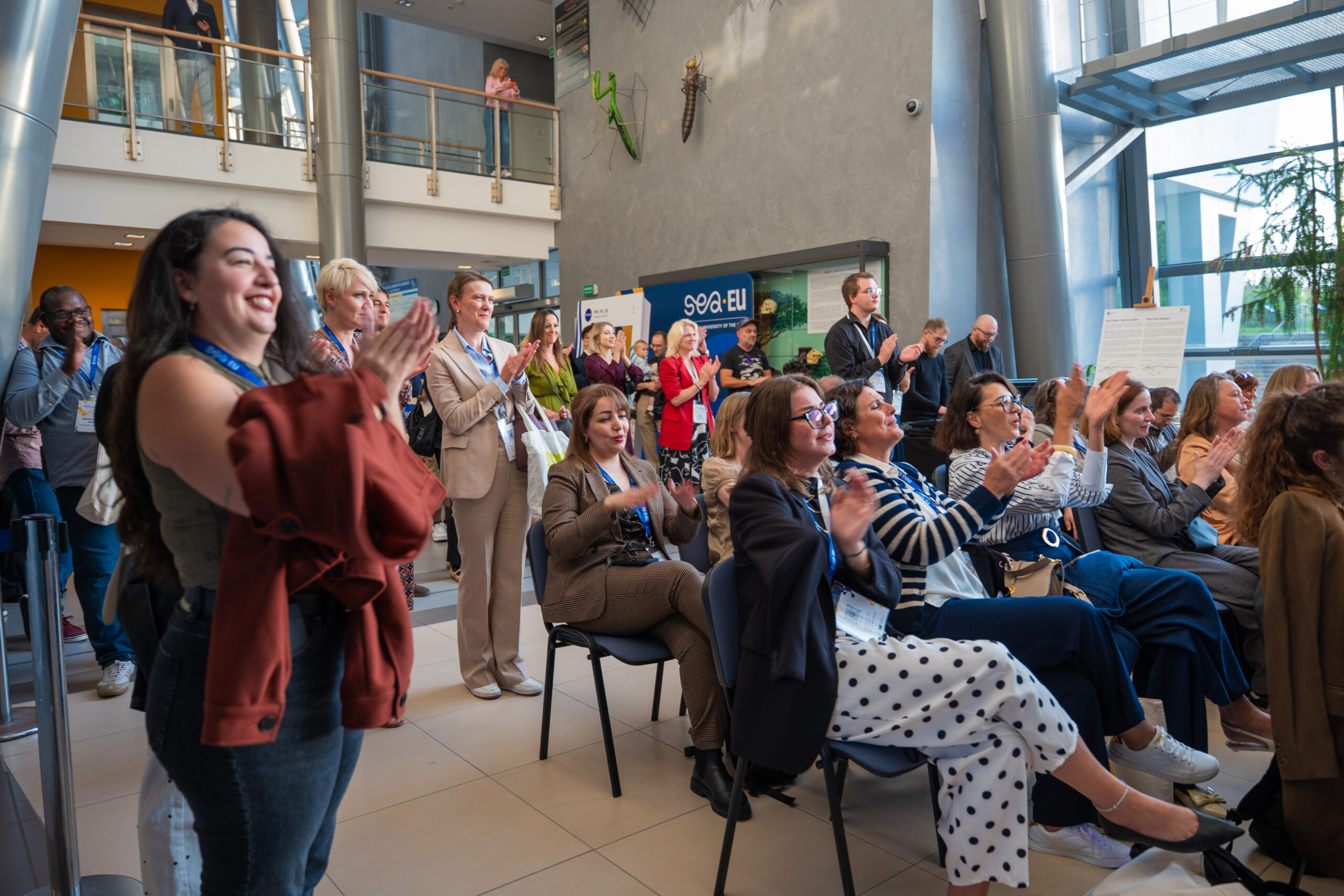
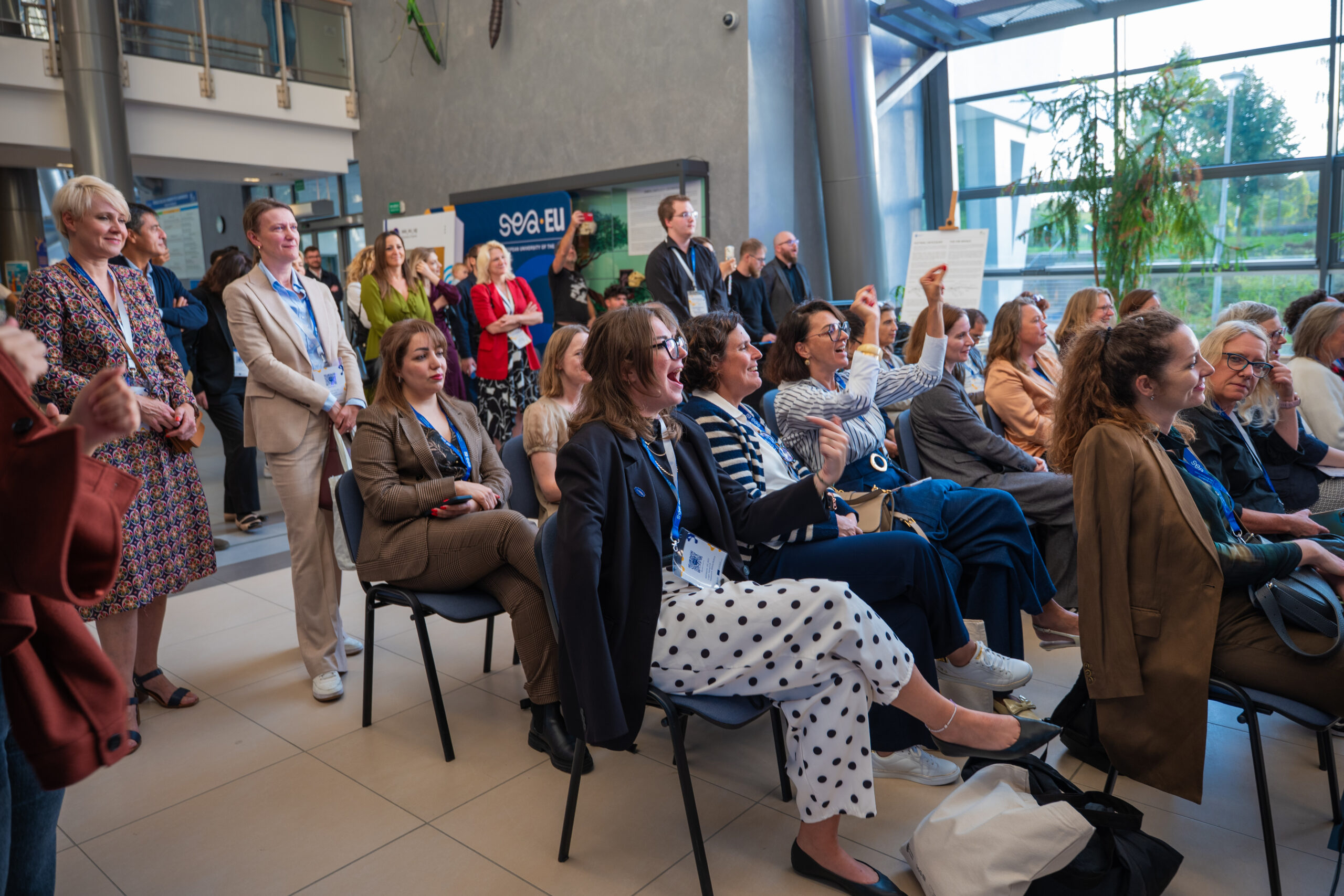
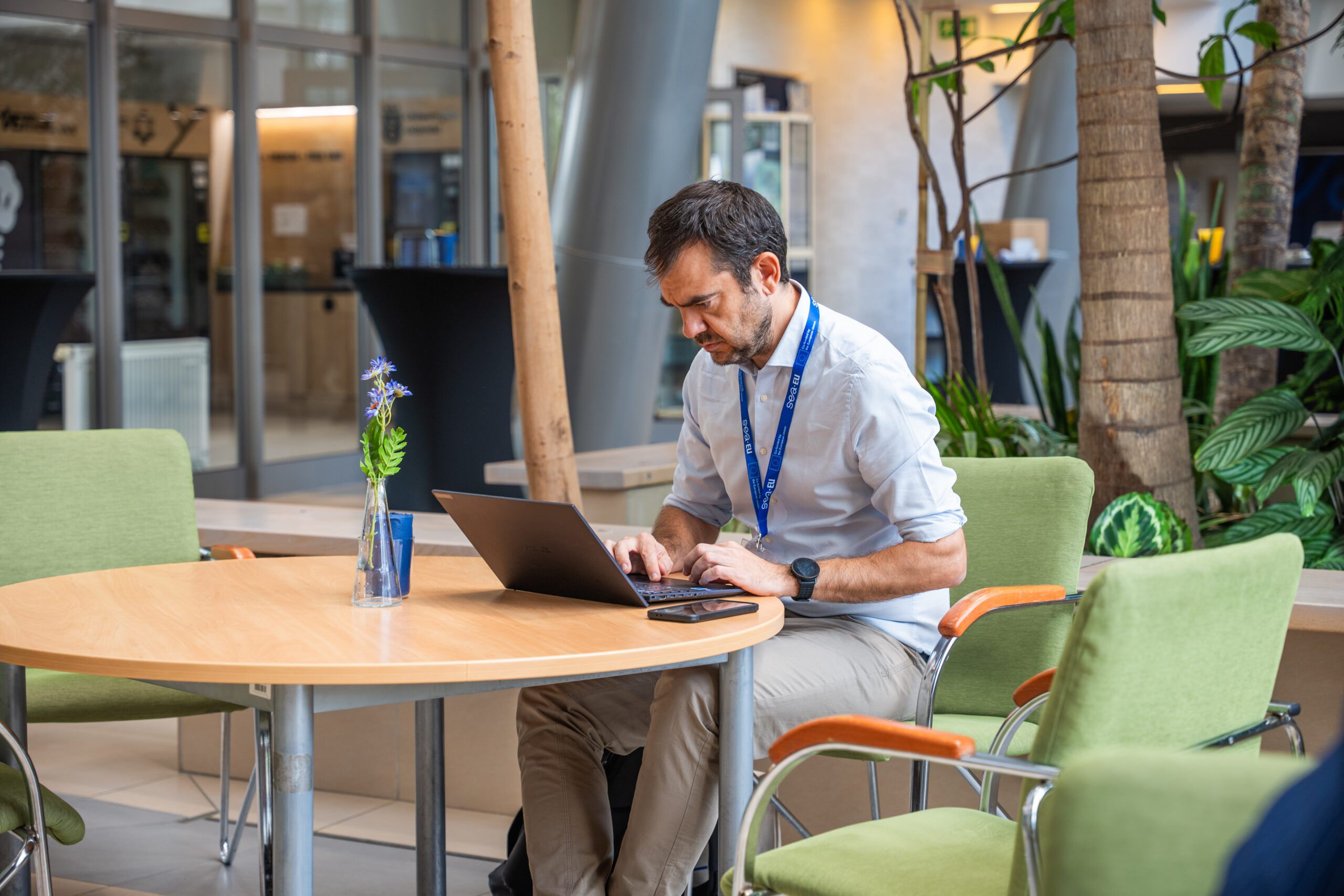
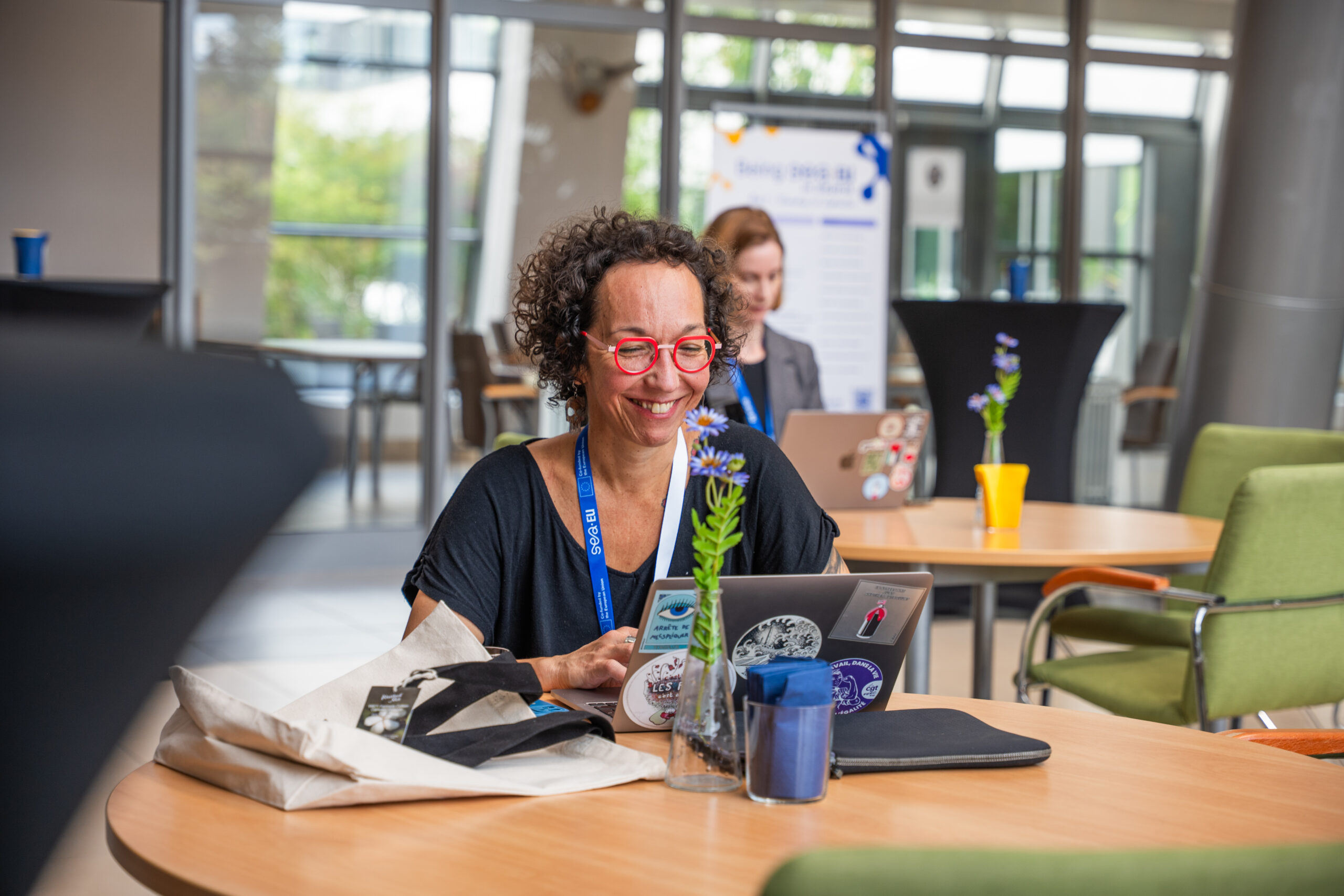
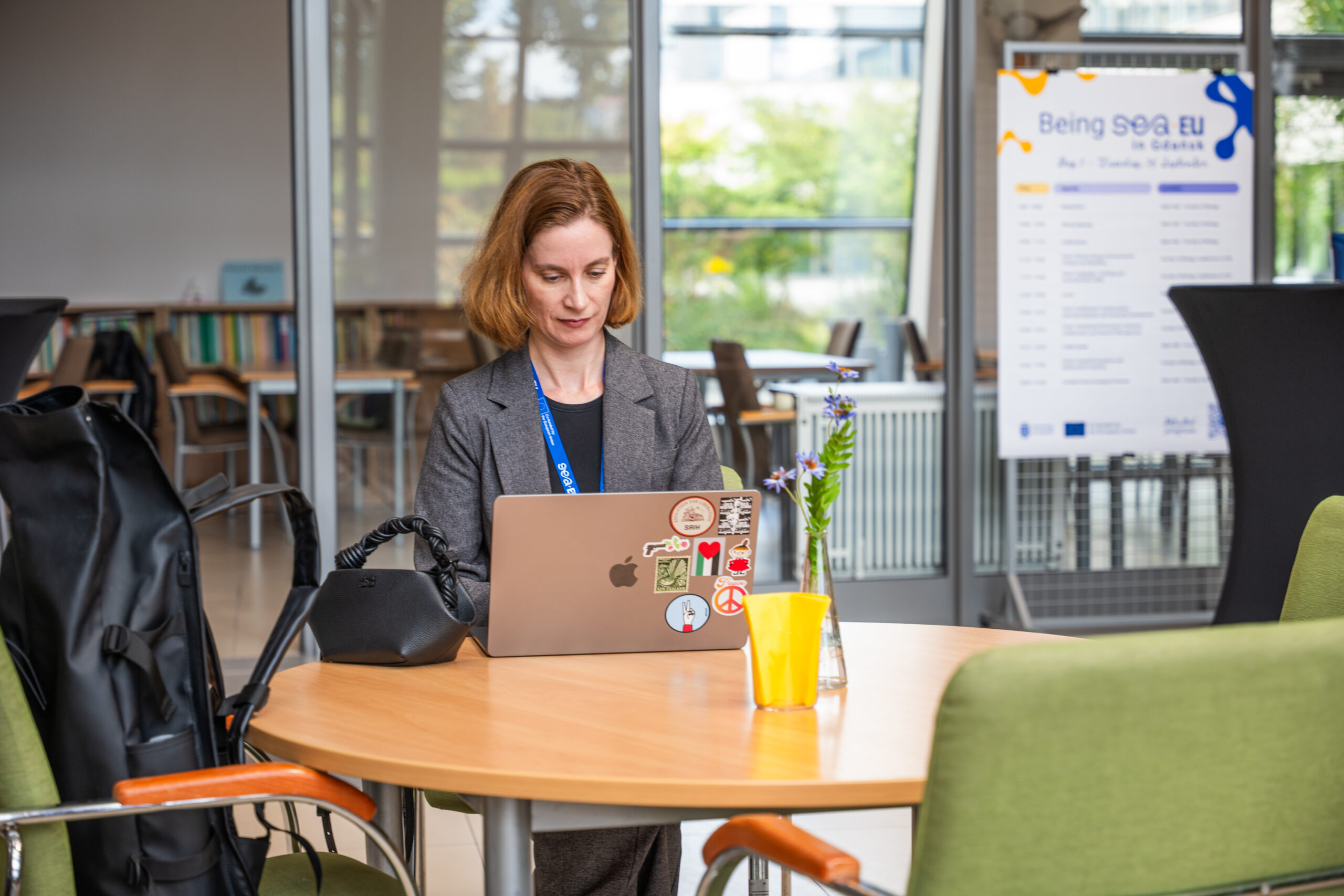
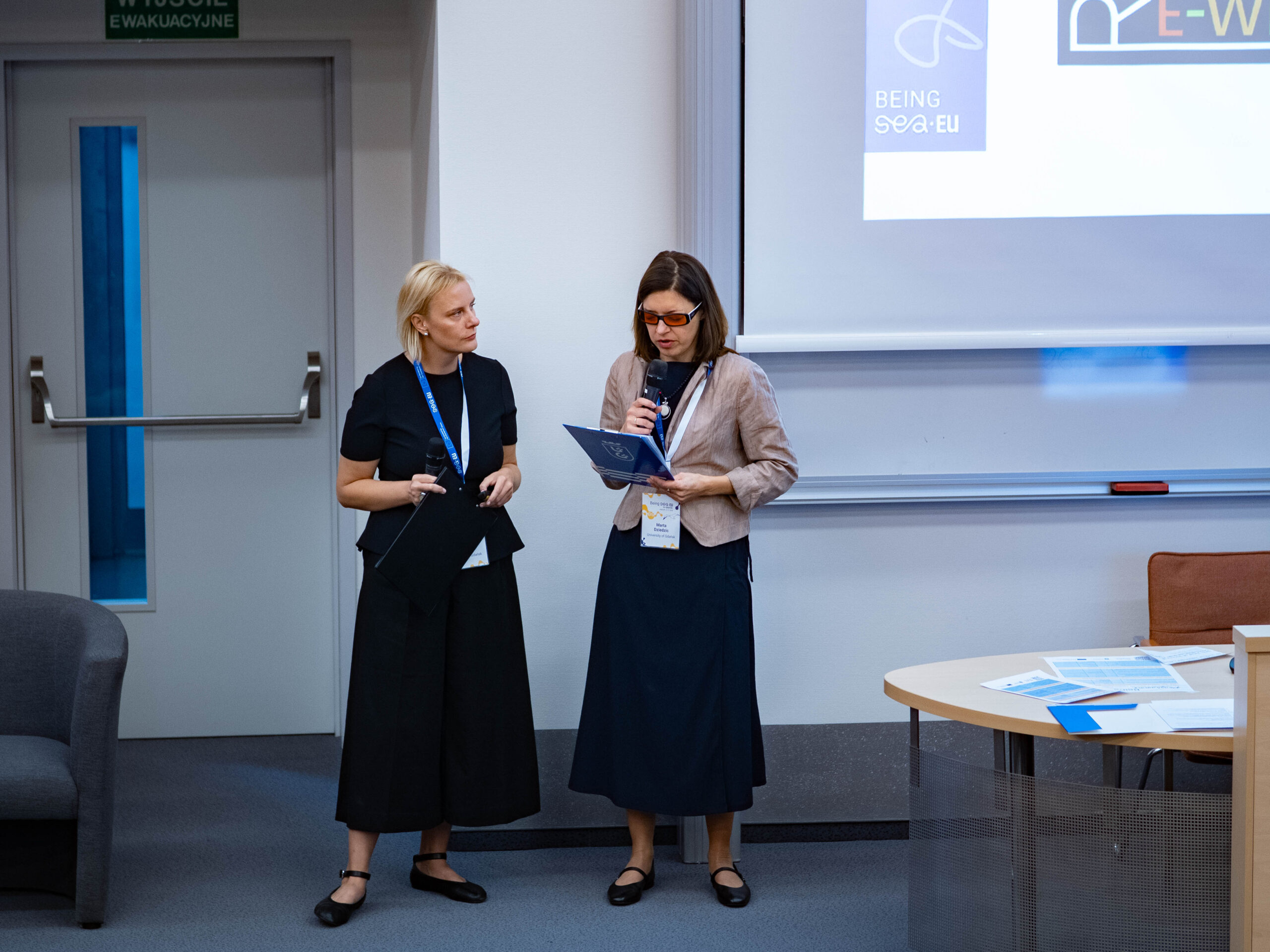
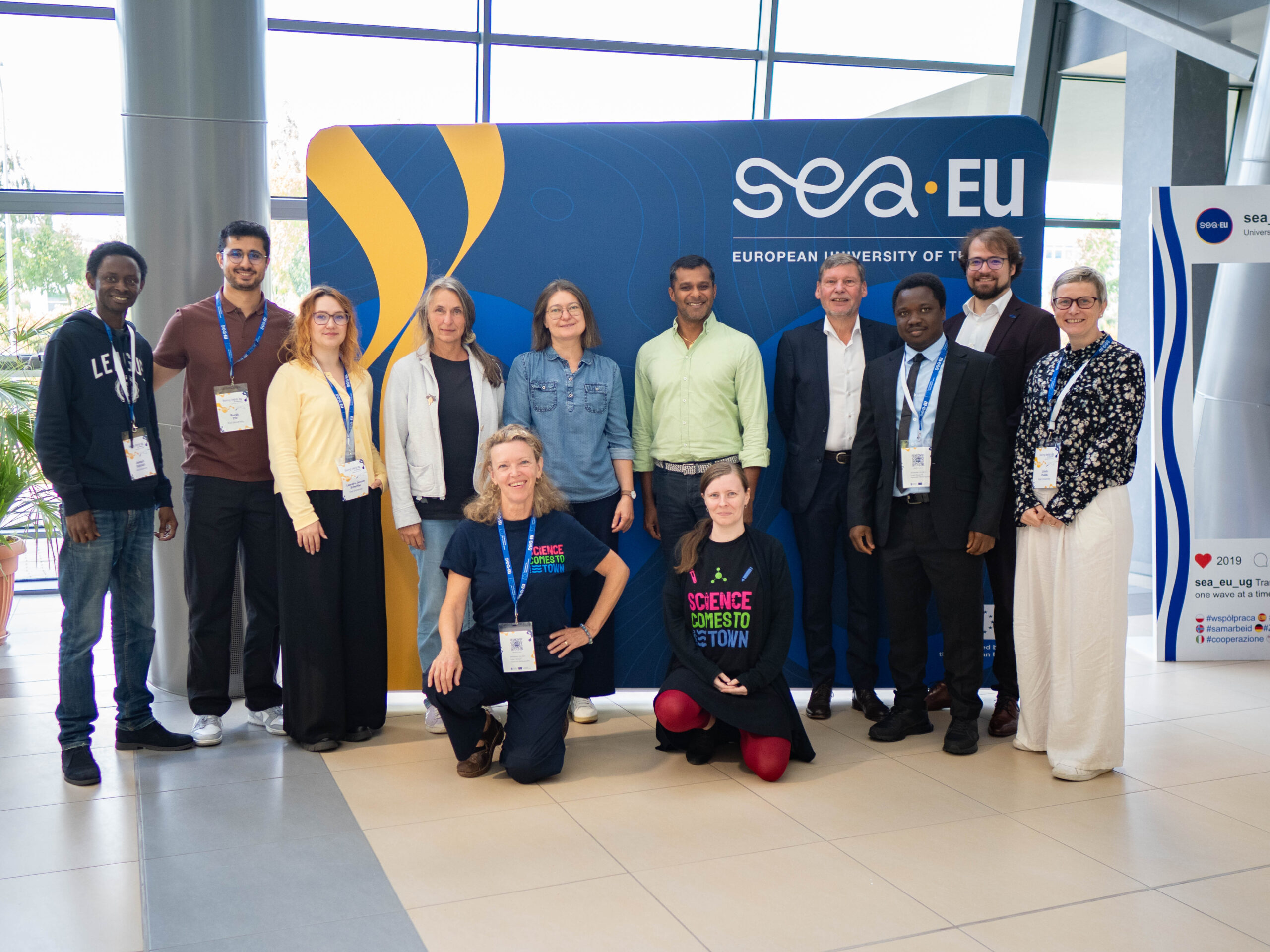
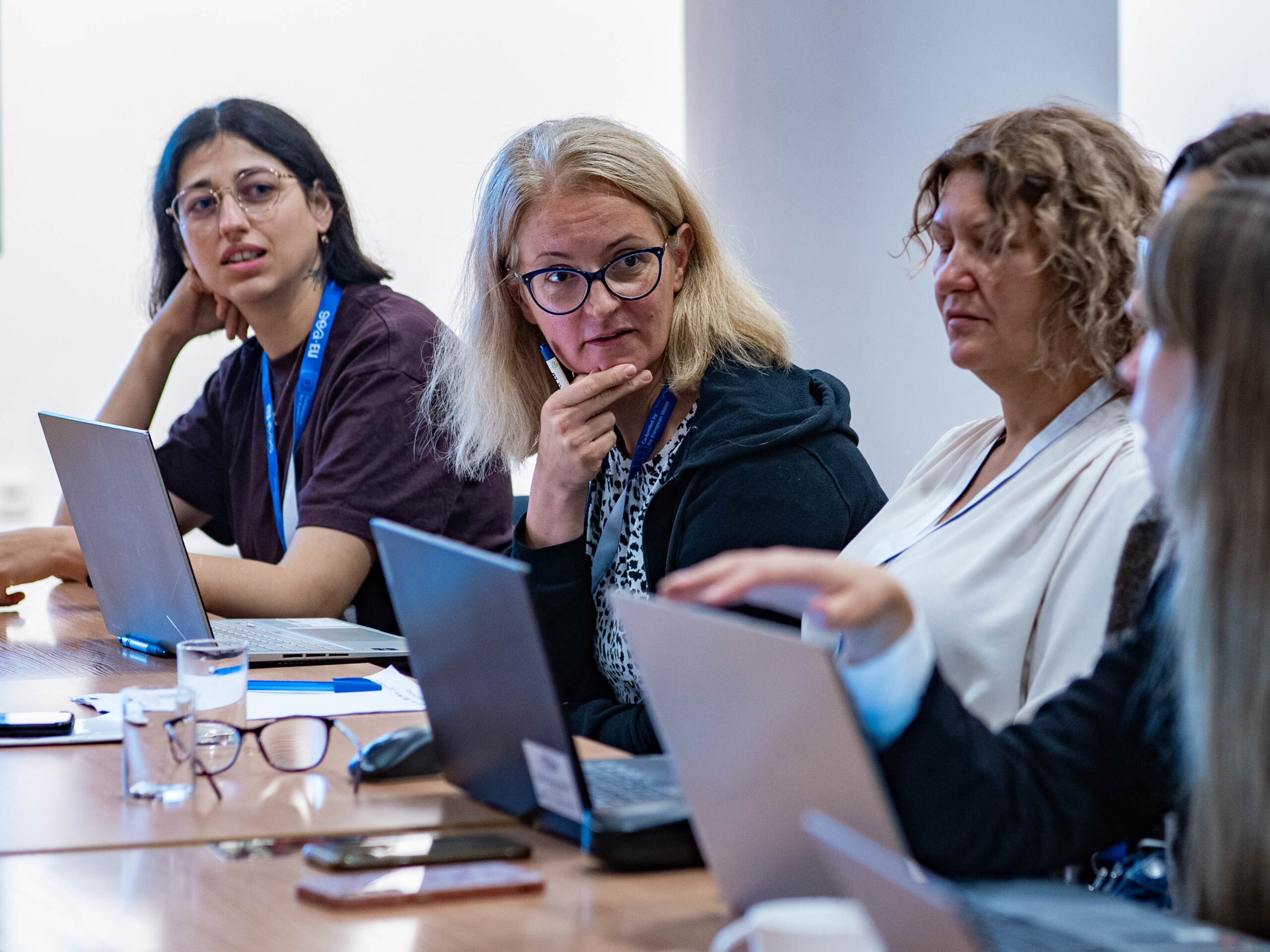
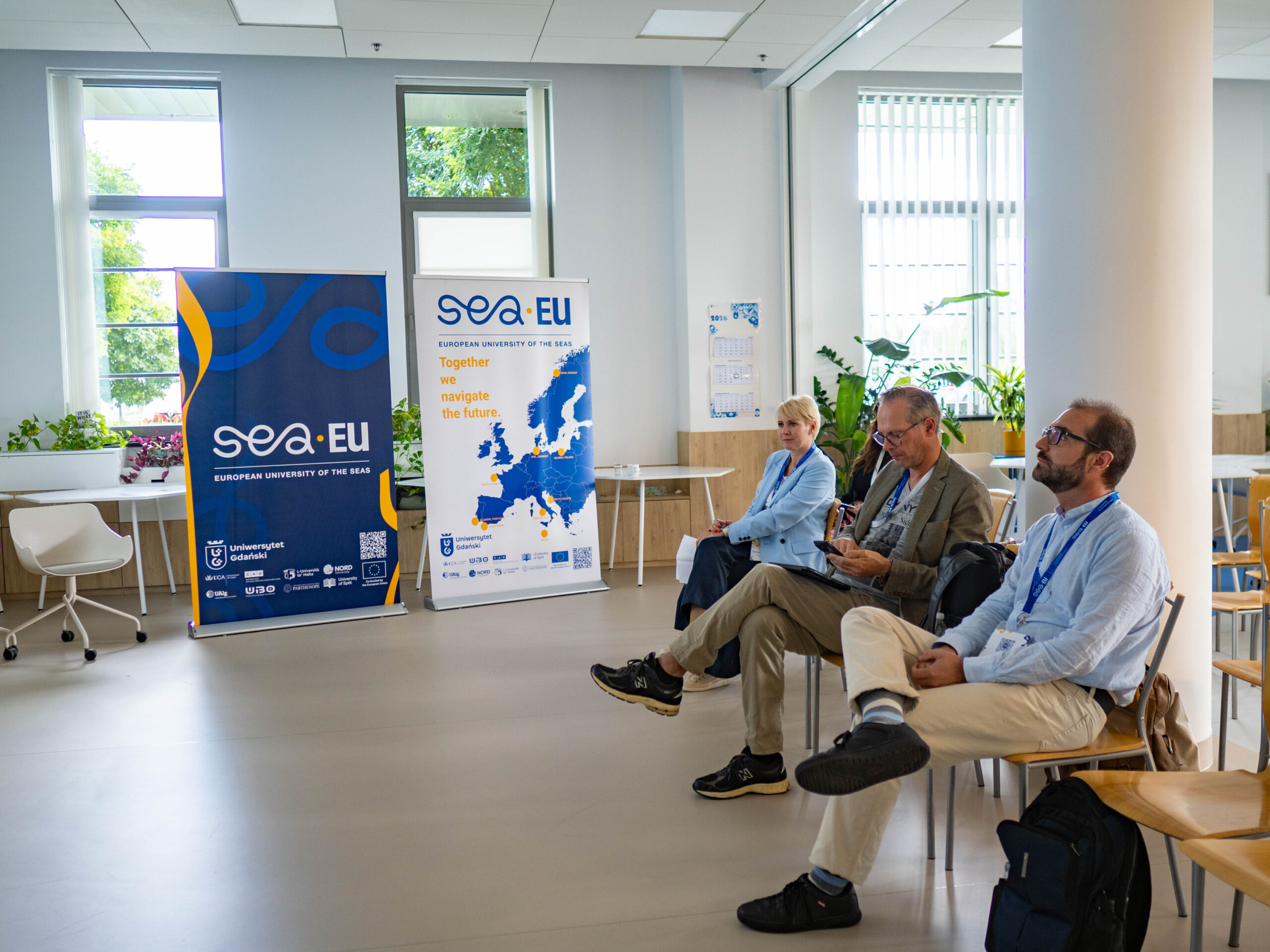
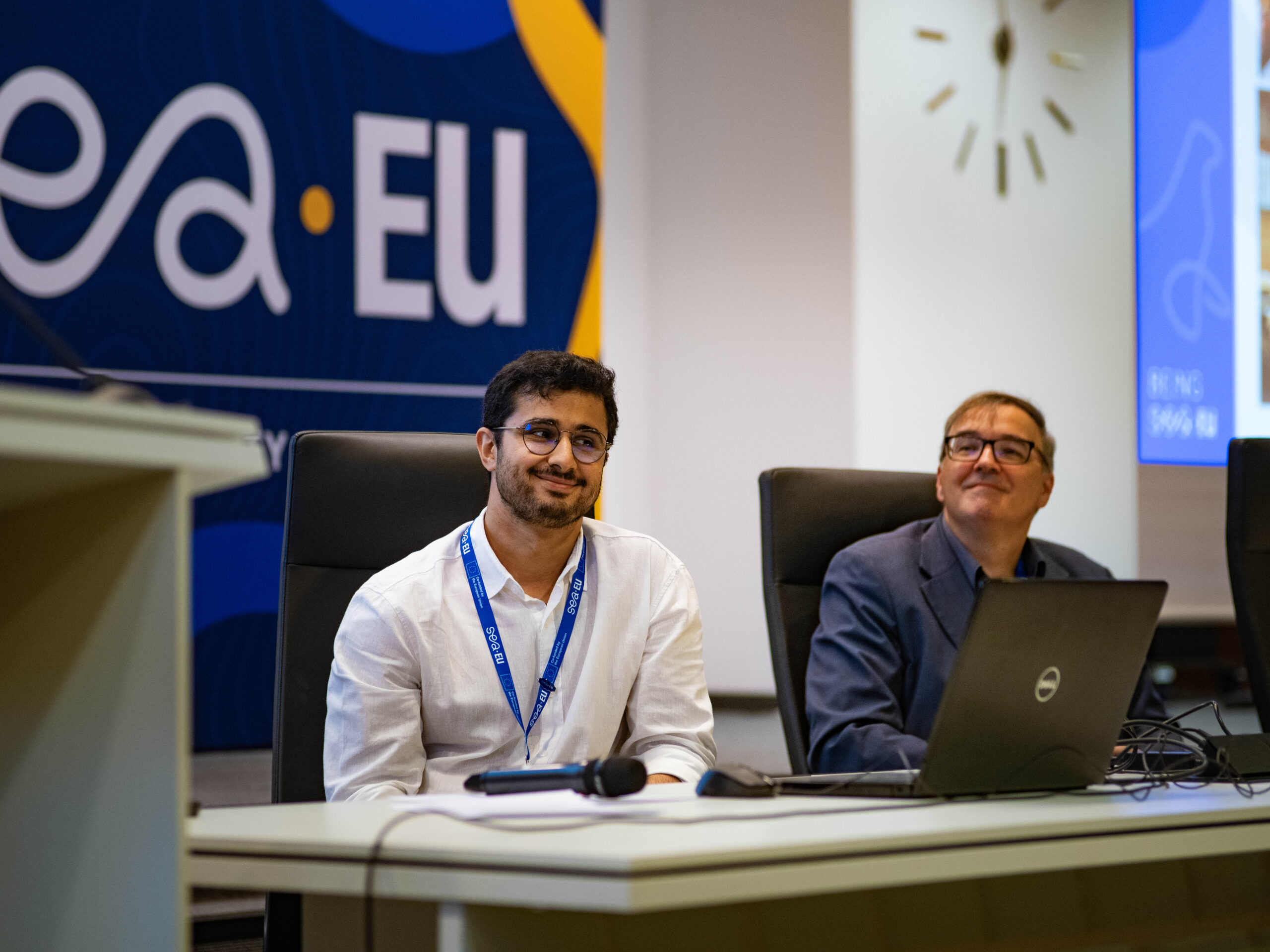
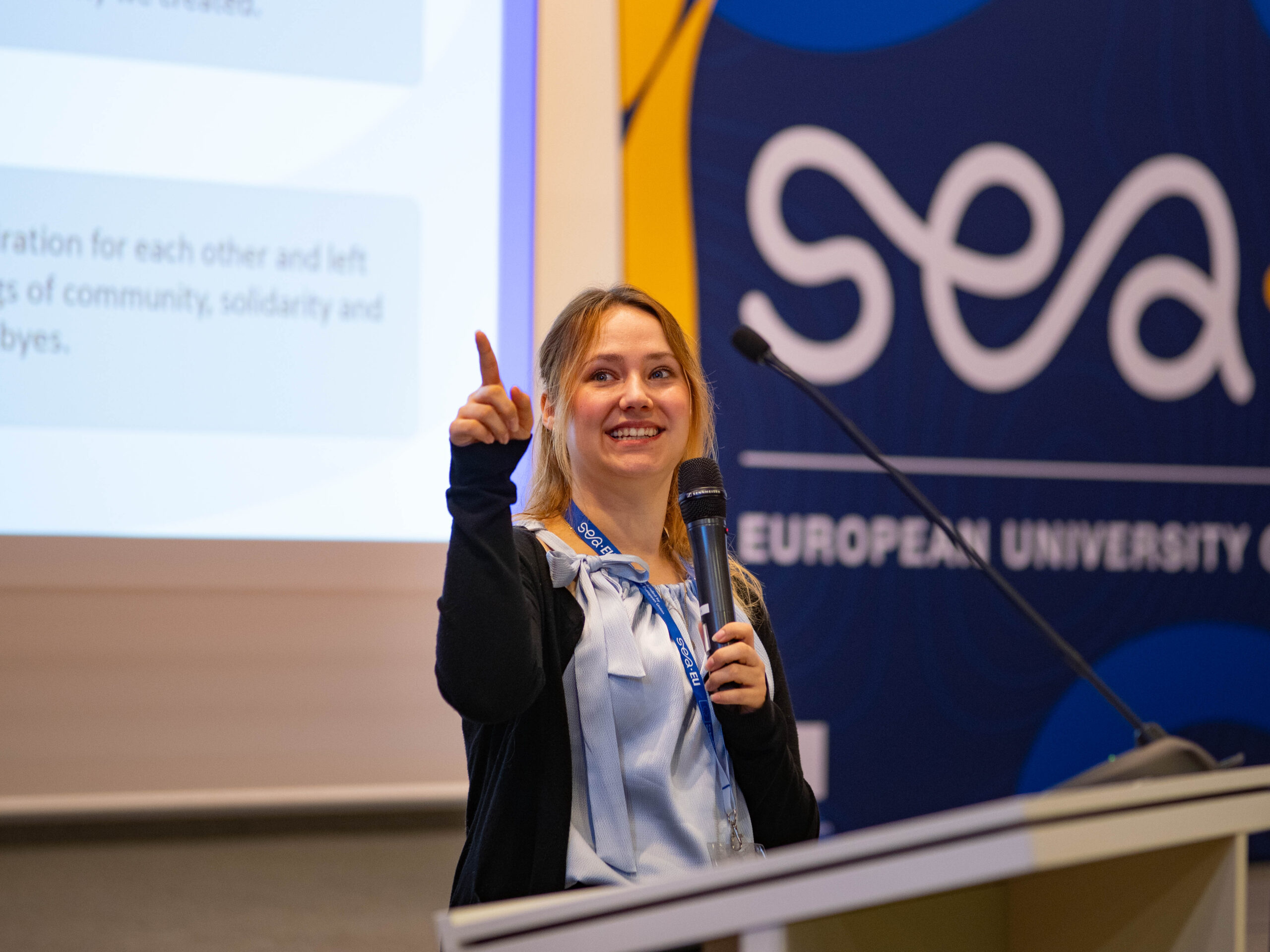
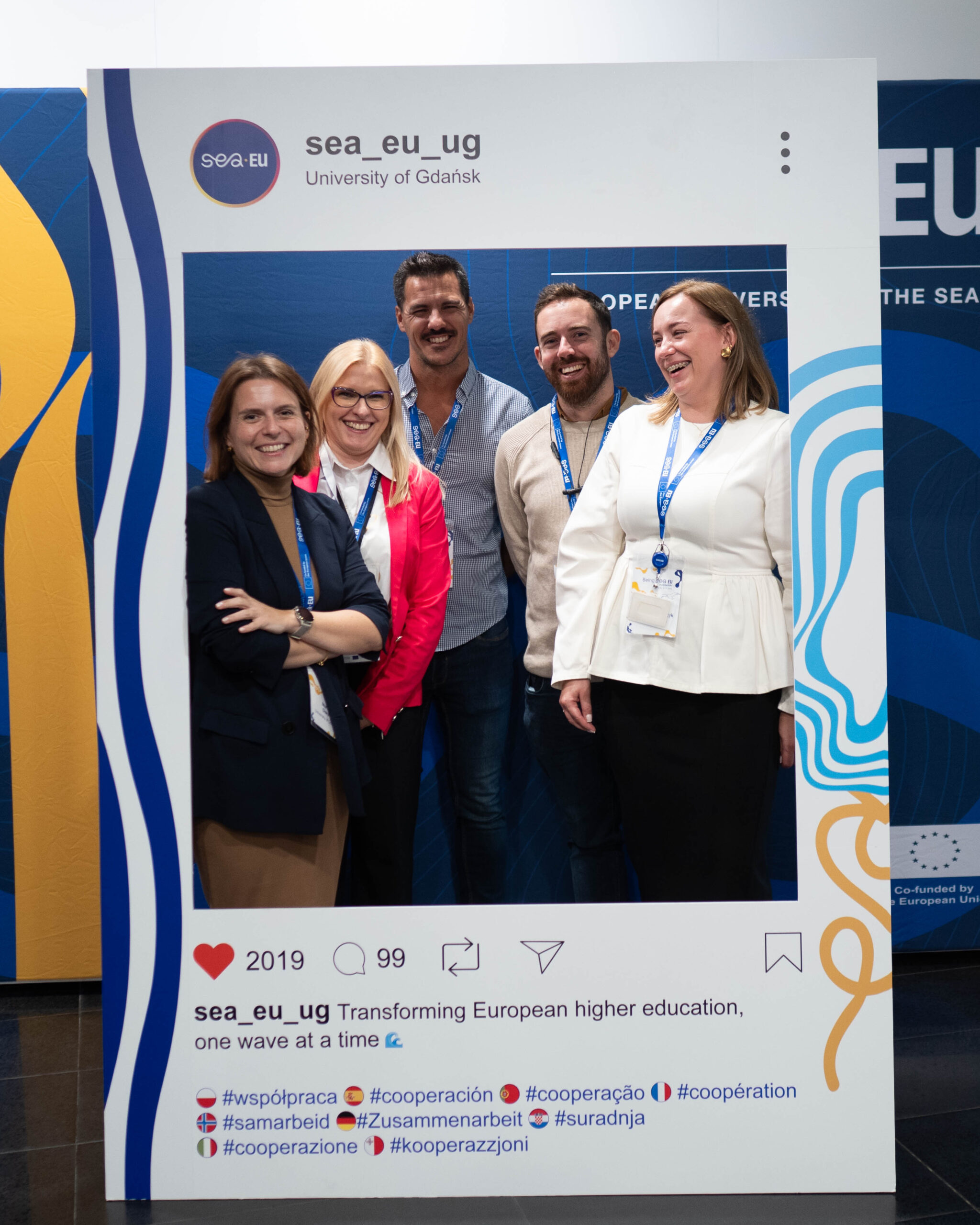
Starting in Malta, developing in Cadiz, and finally arriving in Gdańsk—in just 3 years, the traveling Being SEA-EU Conference has become a staple of the SEA-EU Alliance. Each year the event provided a space for networking, celebrating collaboration, research achievements and innovation within the alliance.
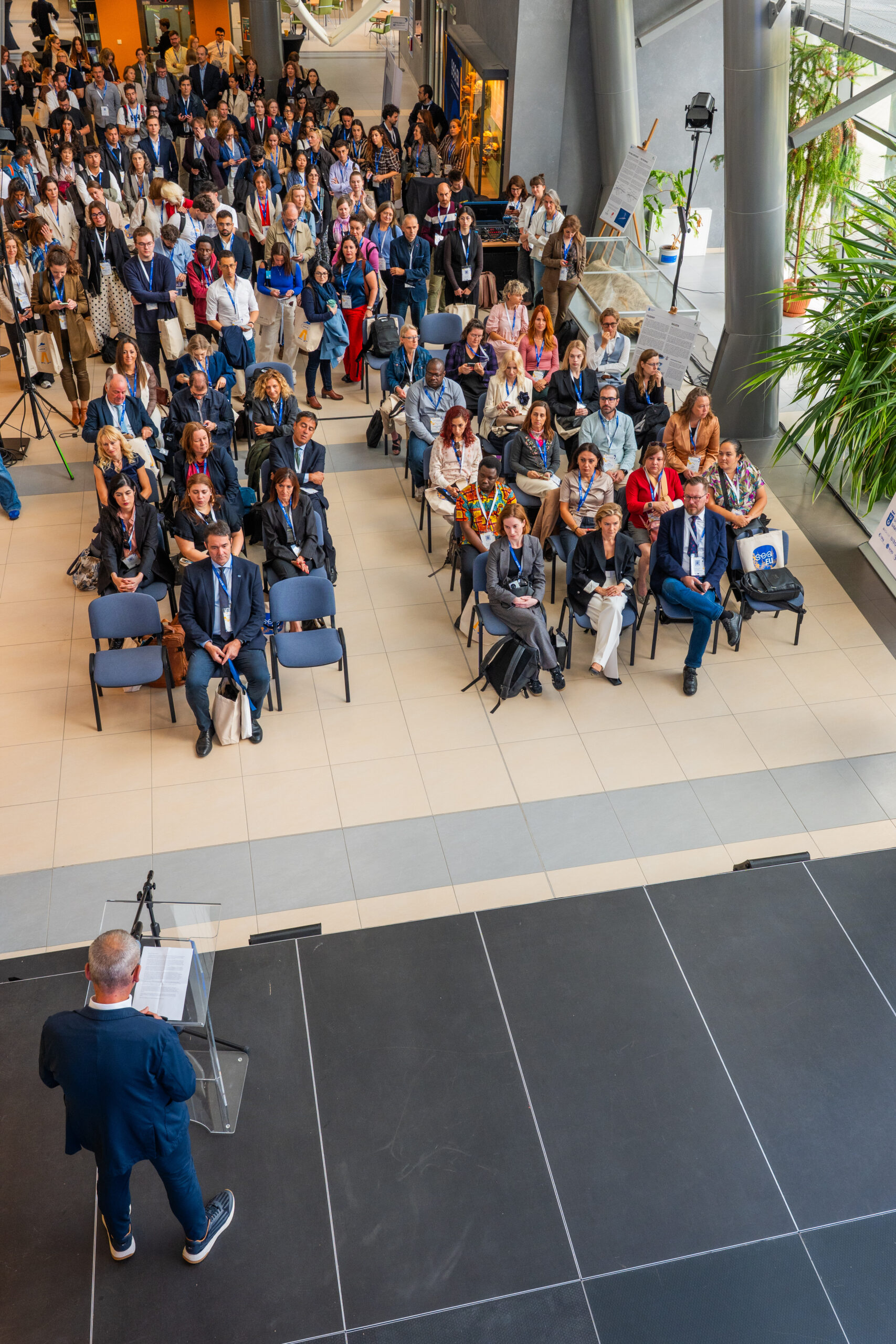
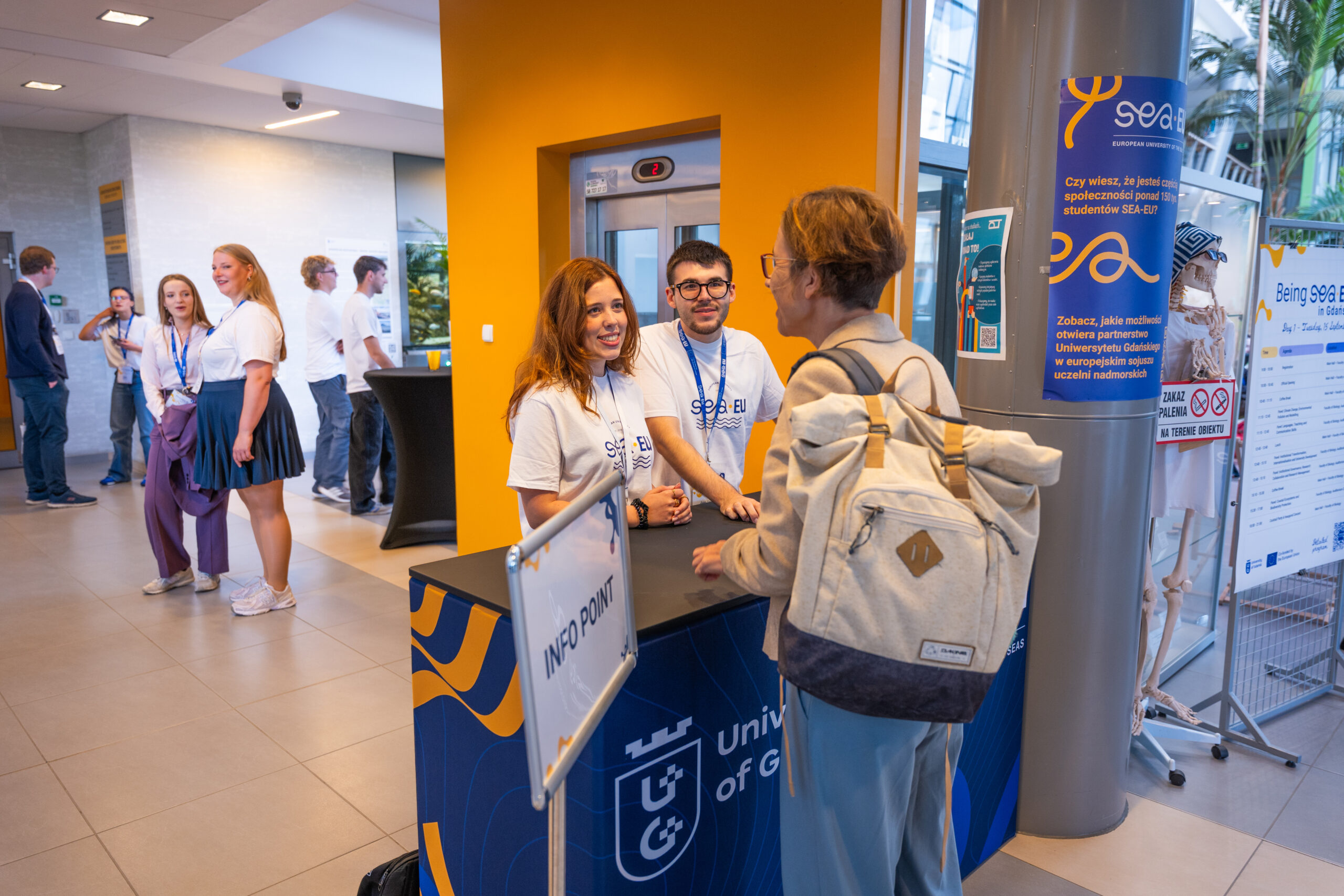
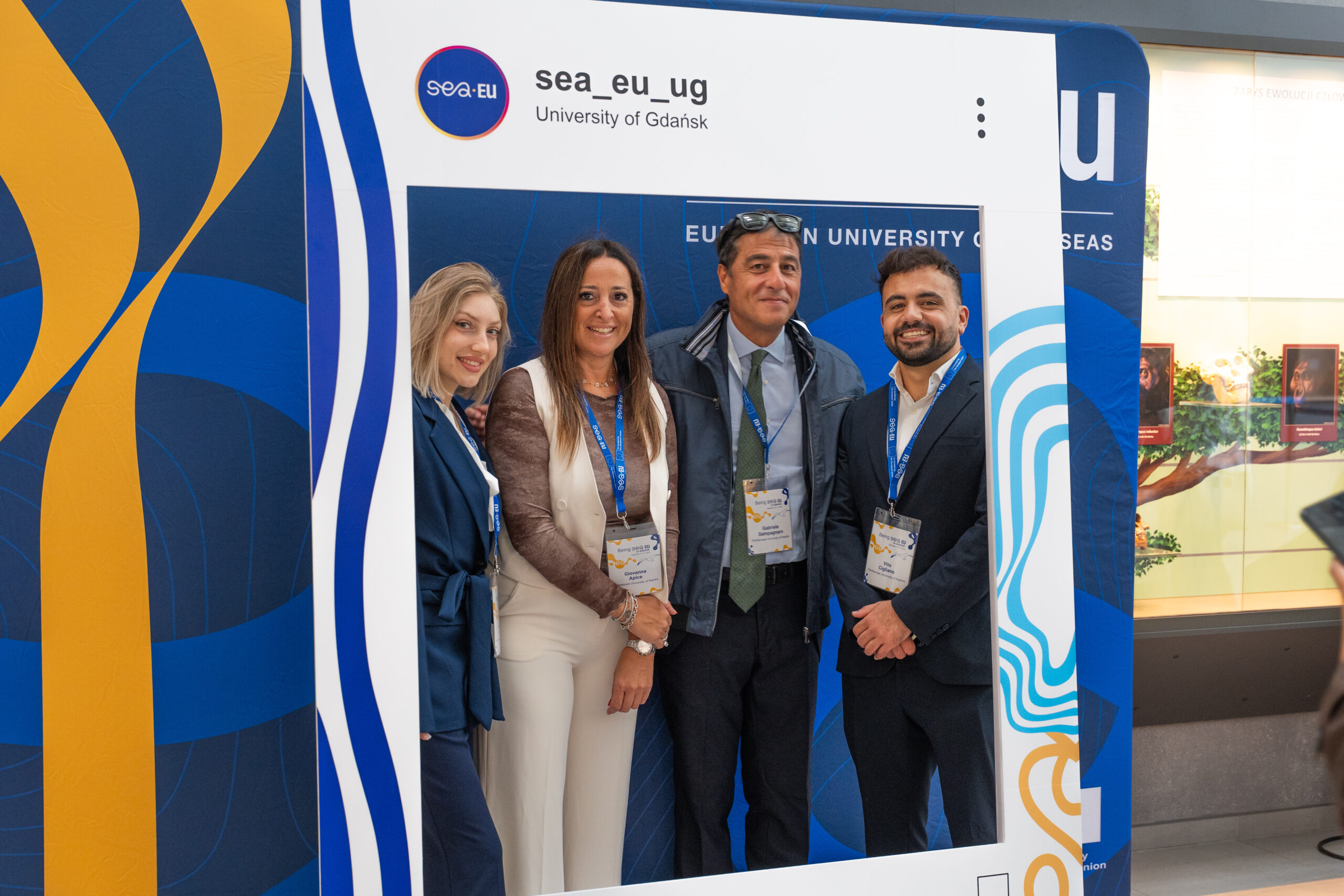
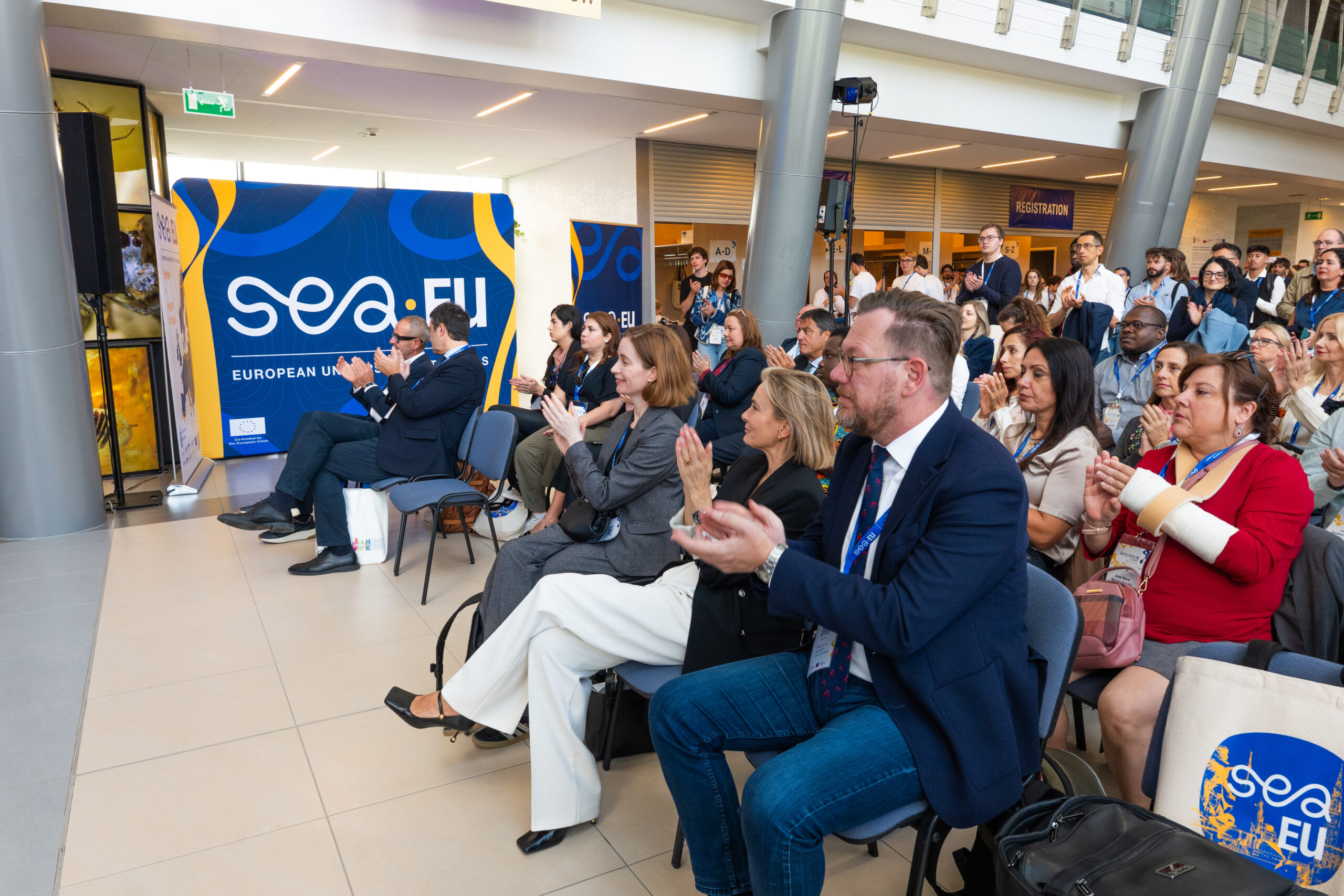
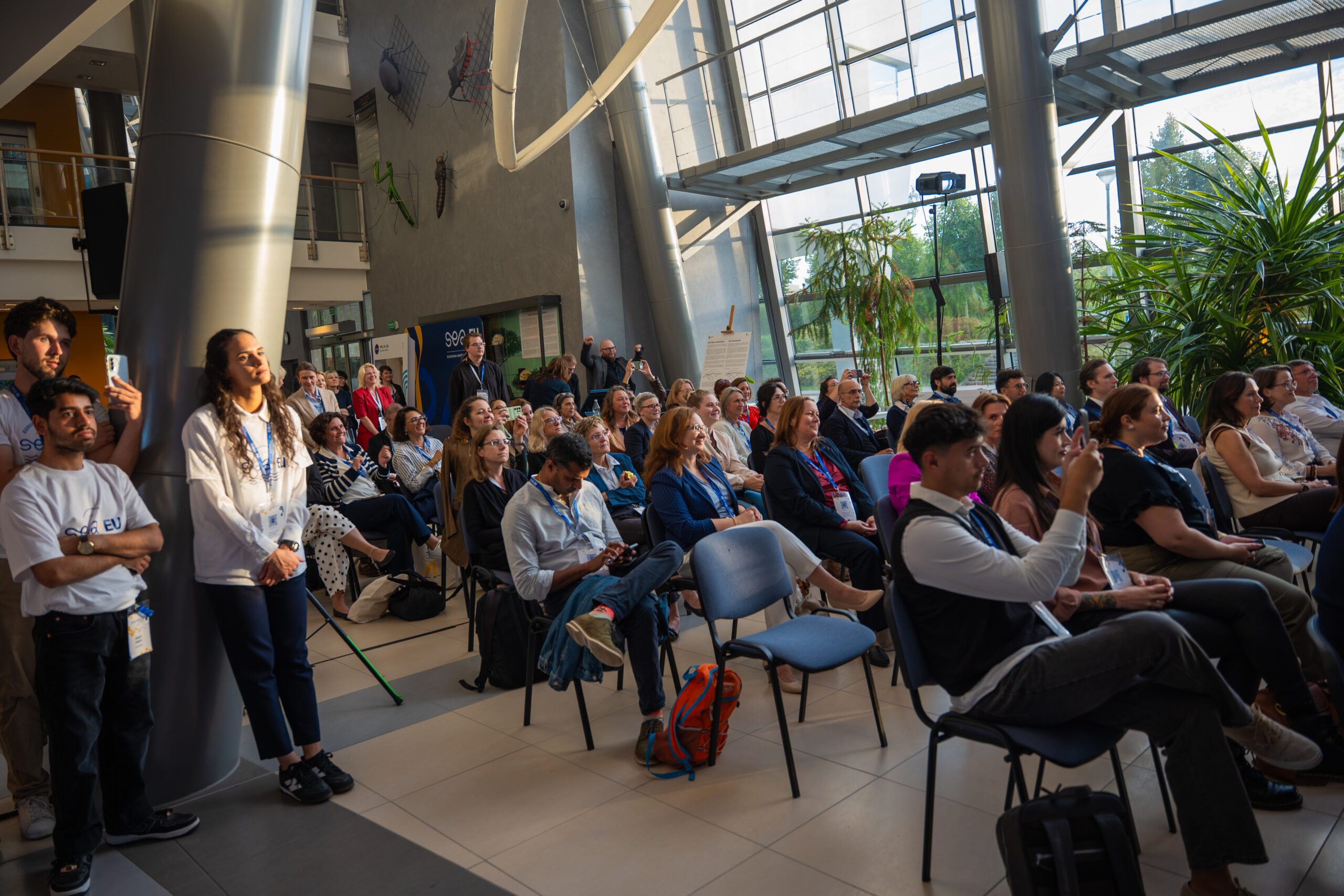
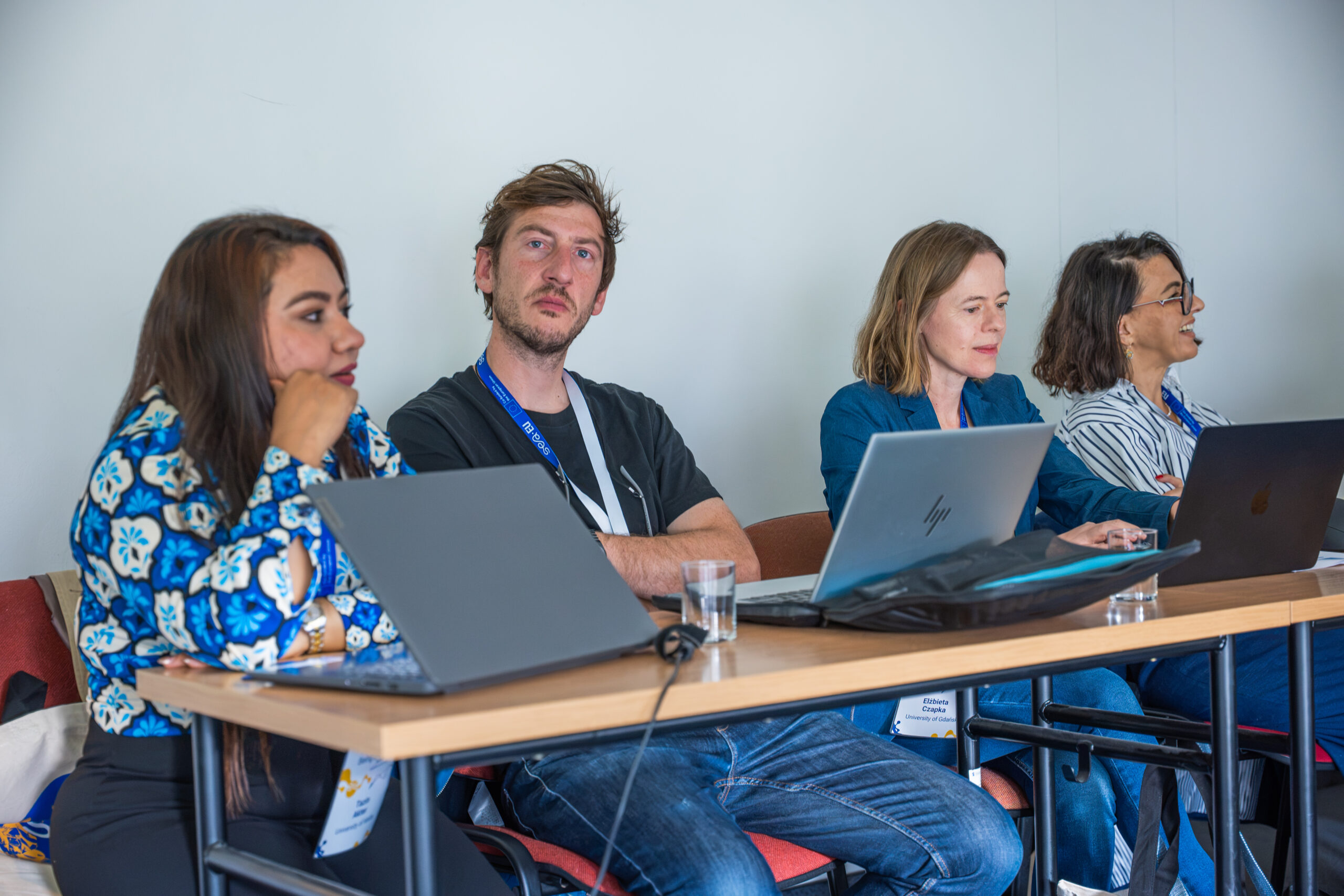
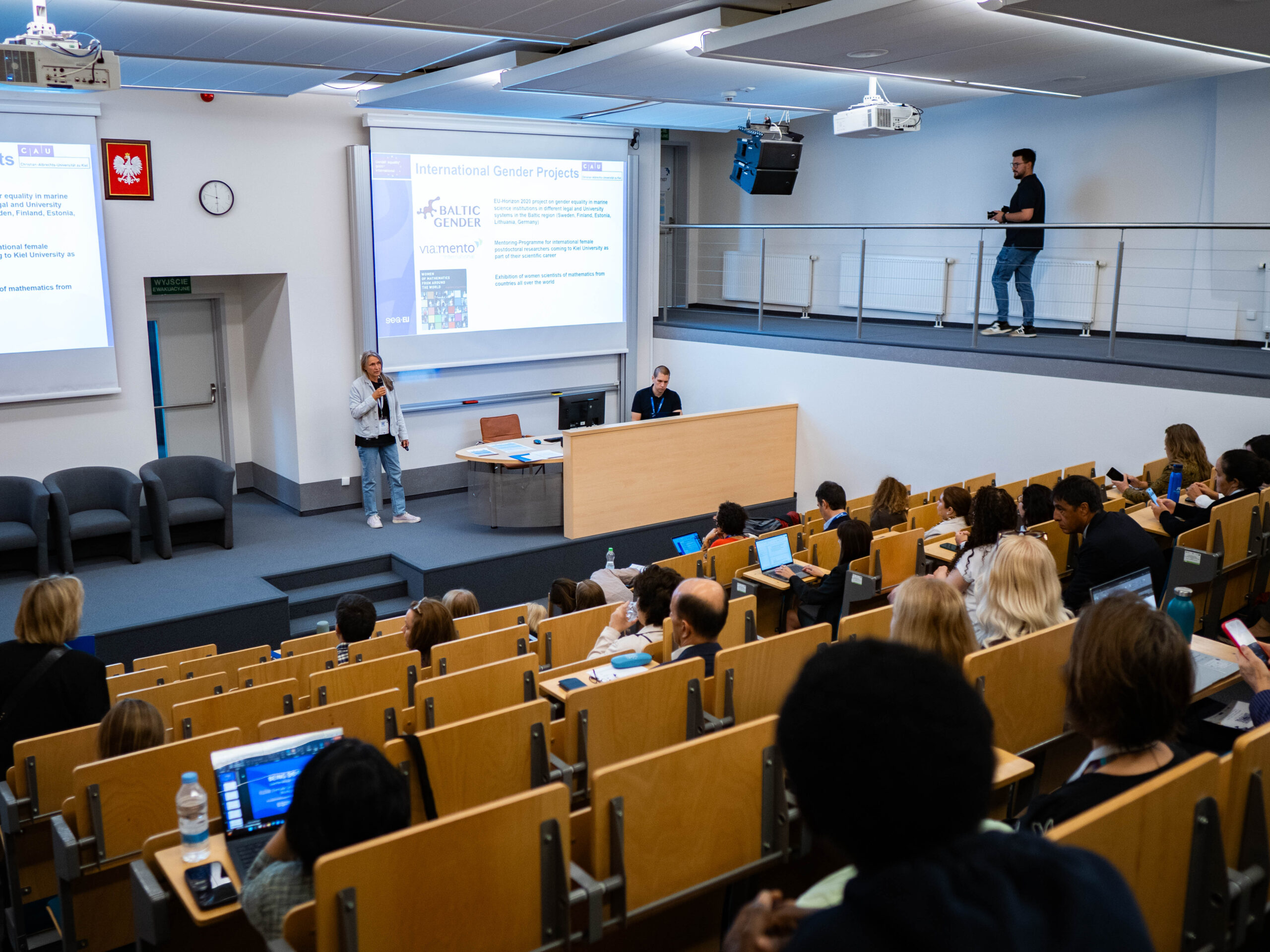
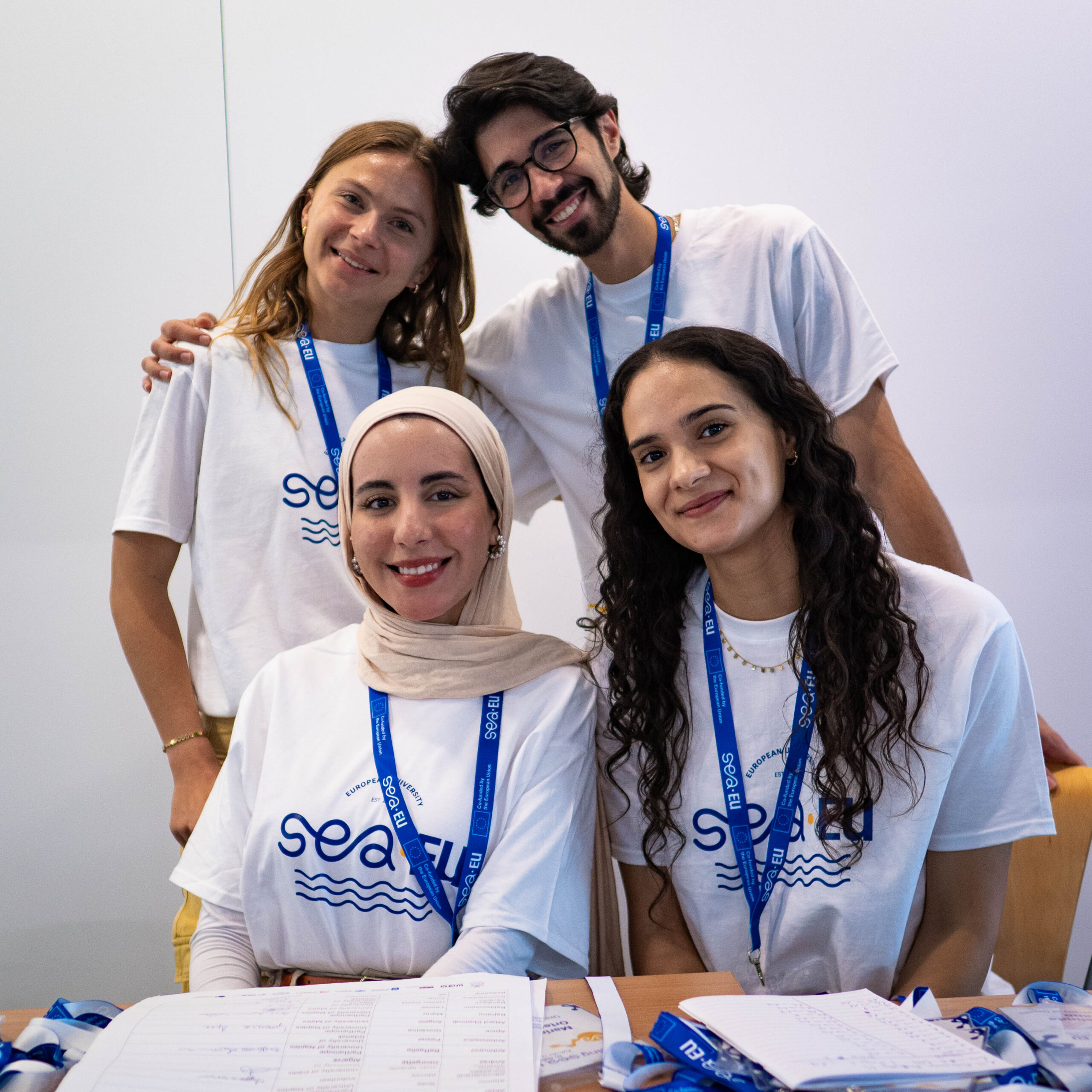
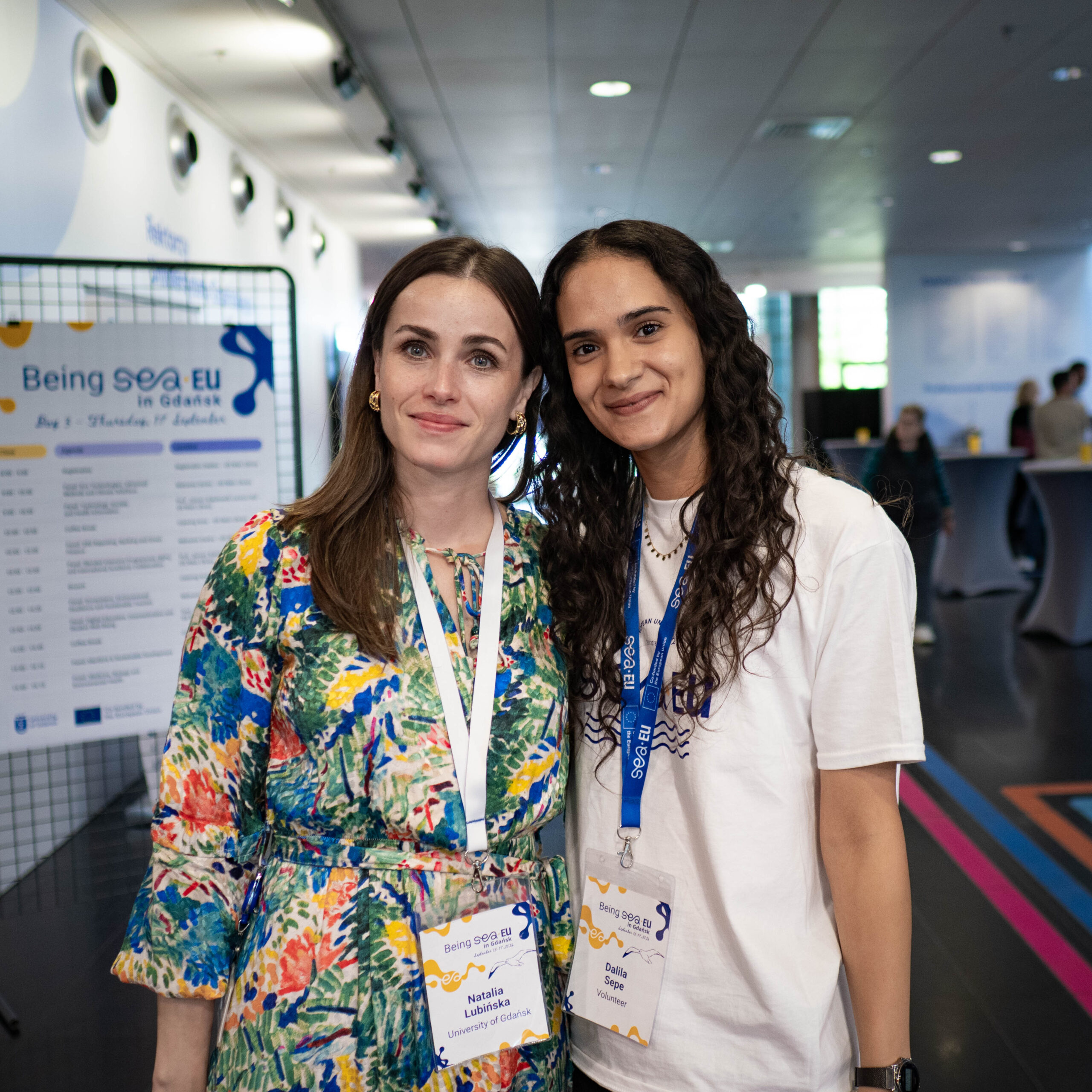
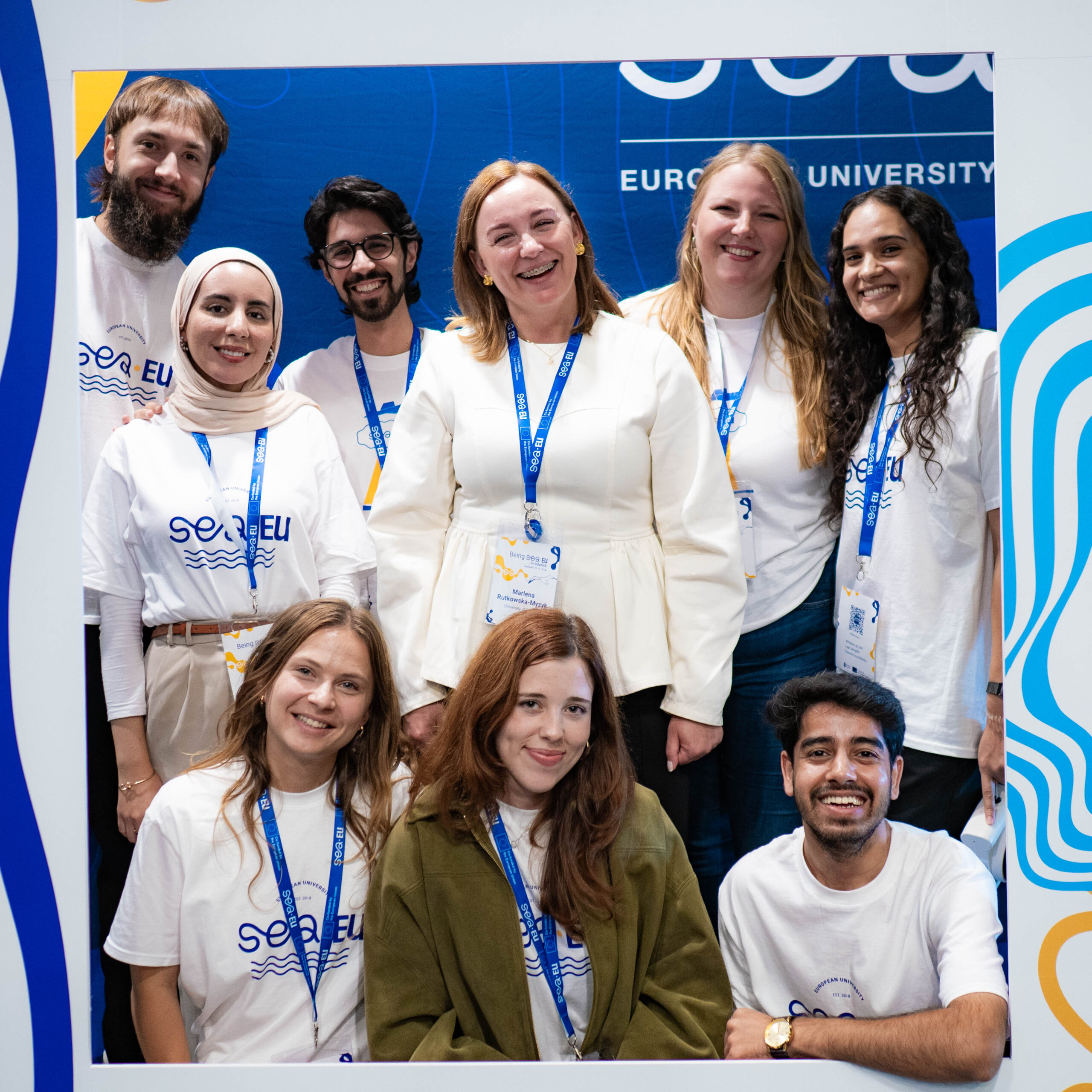
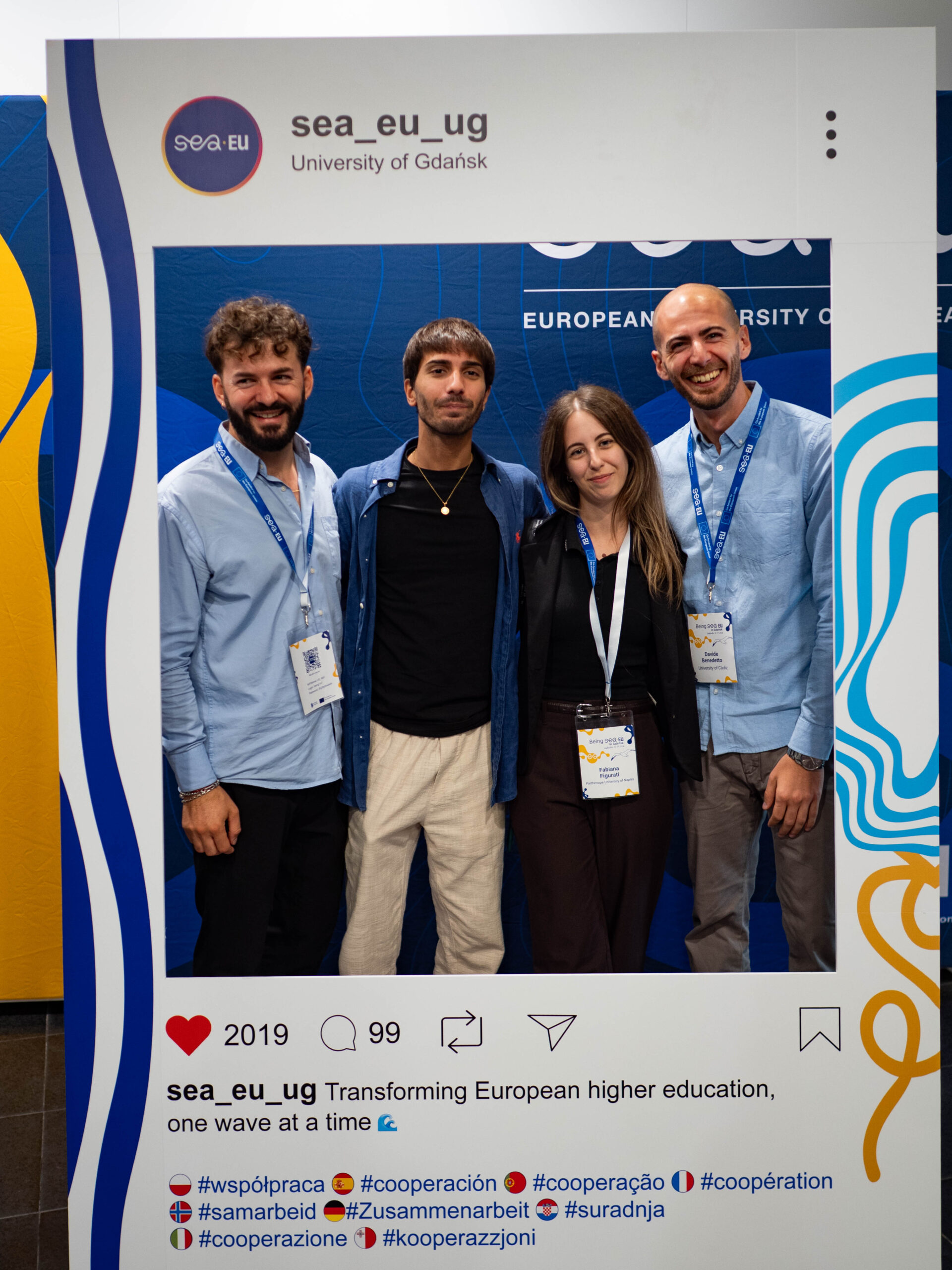
In Gdańsk, those values were highlighted even more thanks to a new approach that invited more SEA-EU-centered abstracts and topics. Between 15 and 17 September, researchers, staff, students, and even volunteers from the European Solidarity Corps gathered for one of the most special events in the SEA-EU calendar.
Inspired by stories of research and collaboration
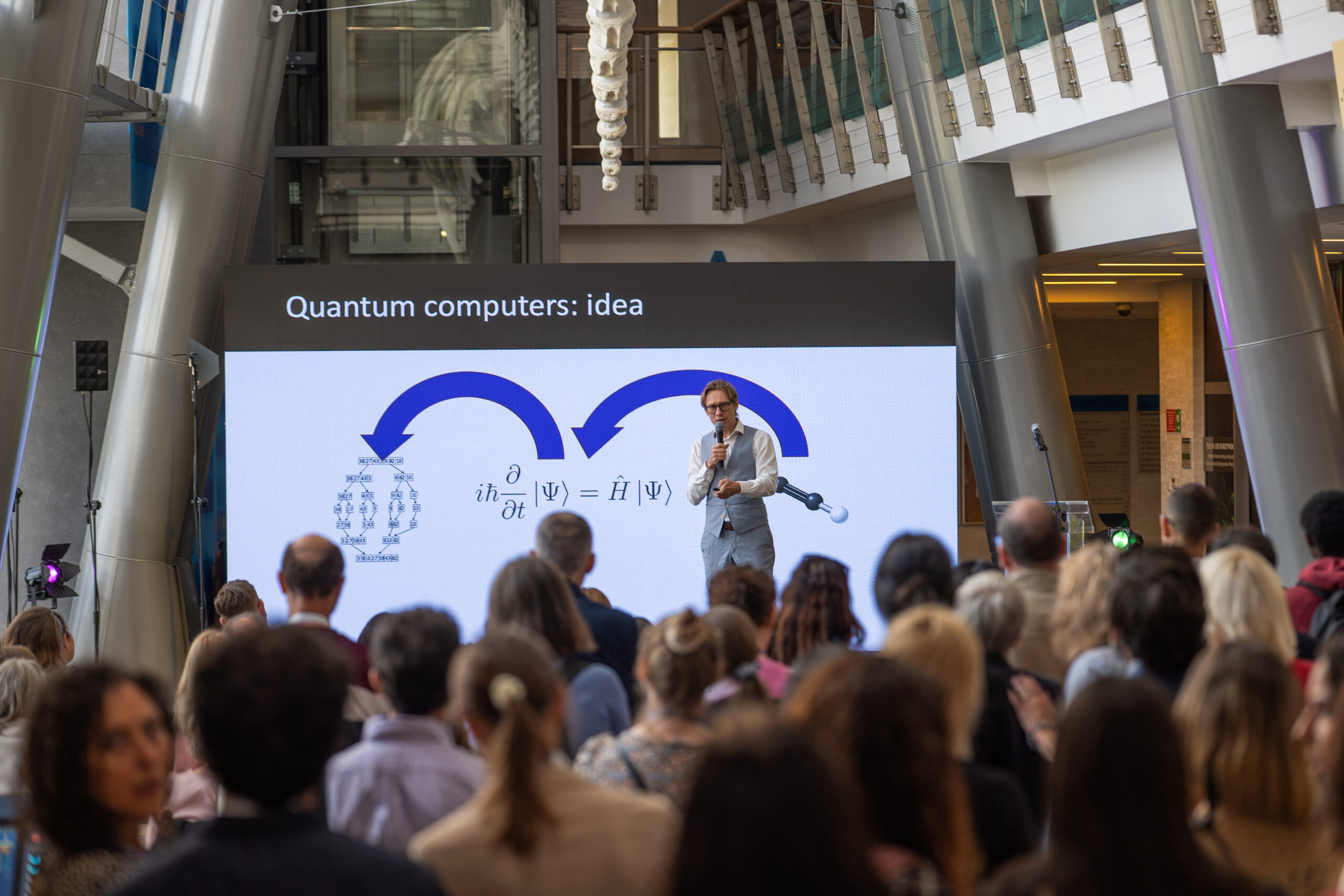
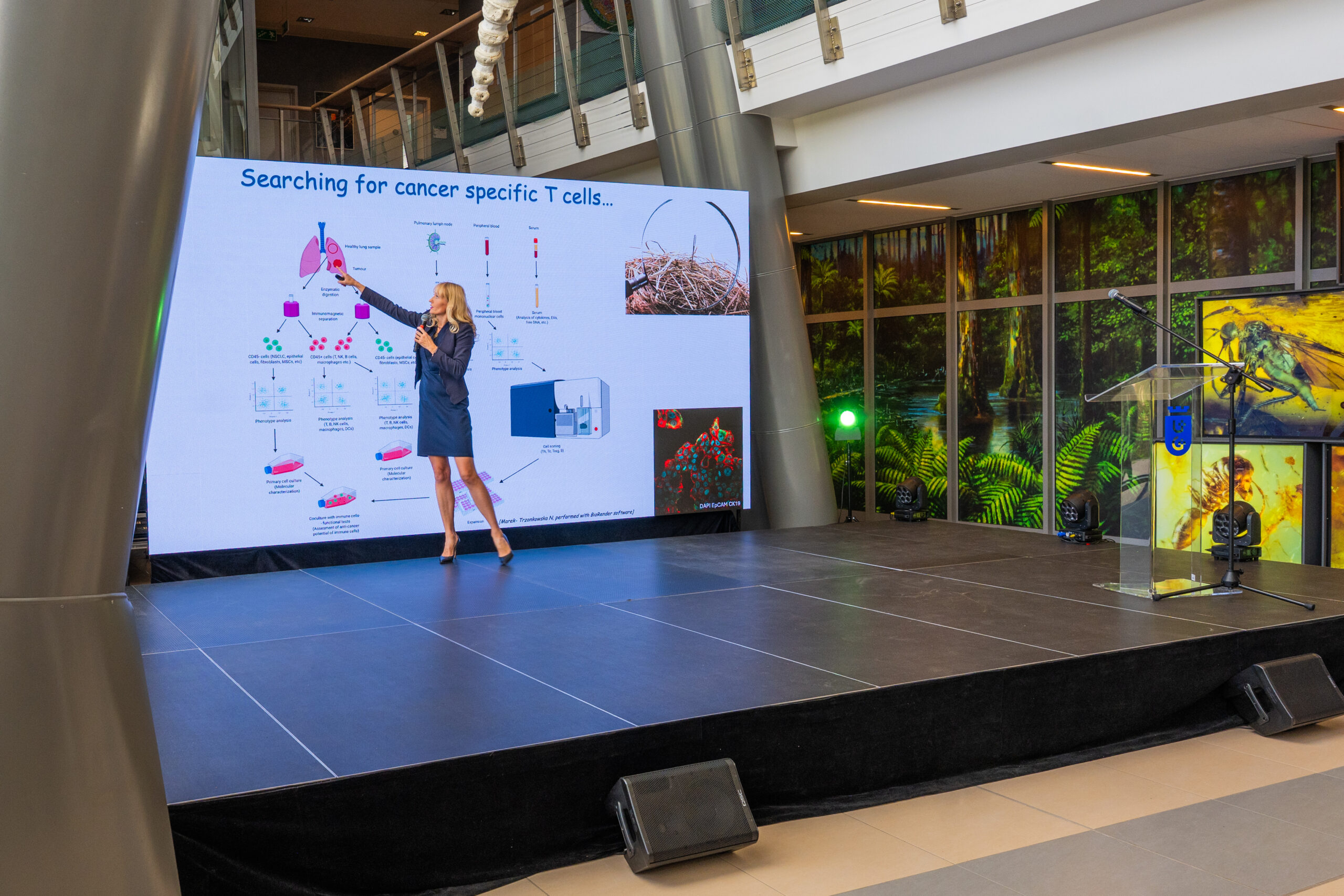
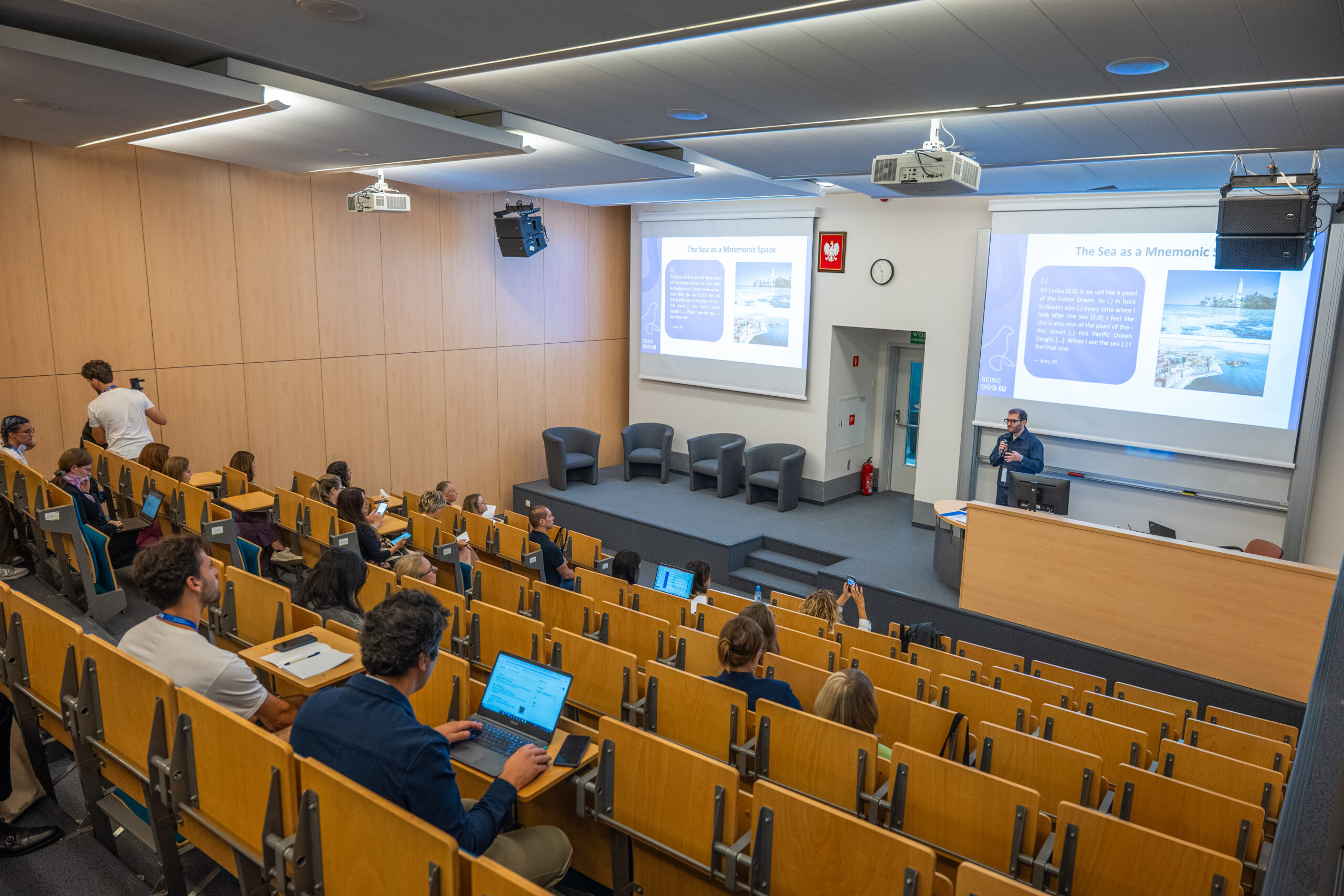
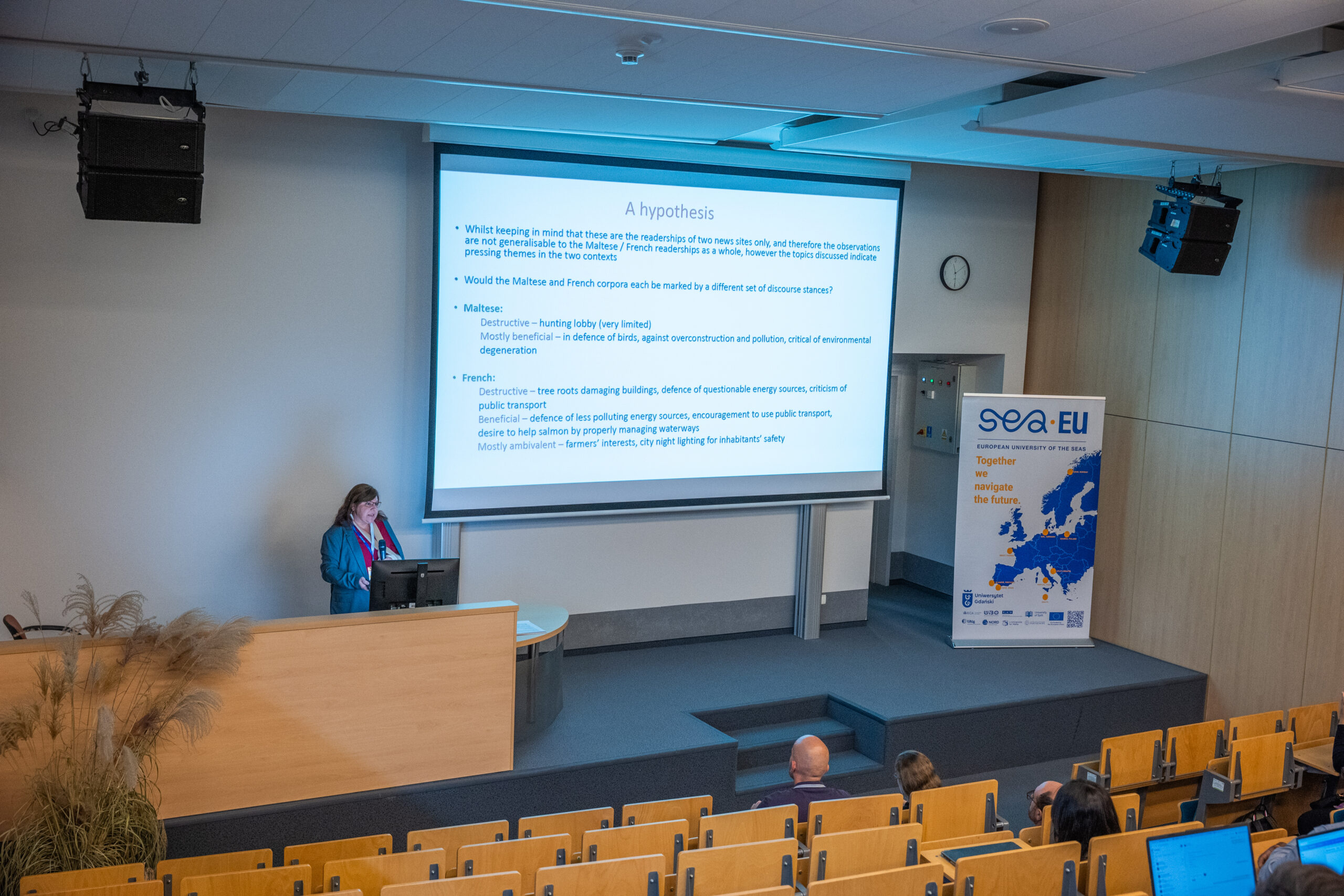
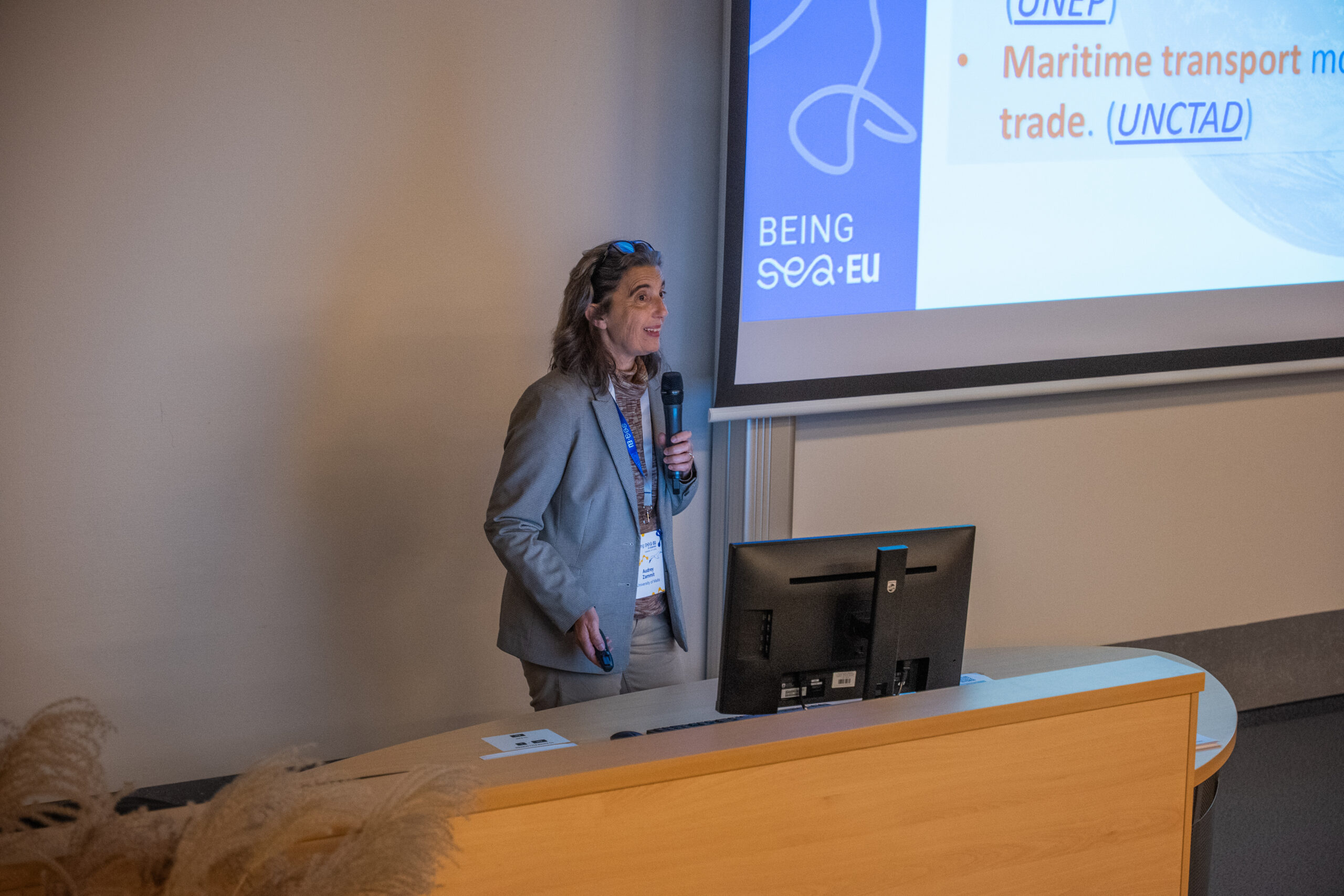
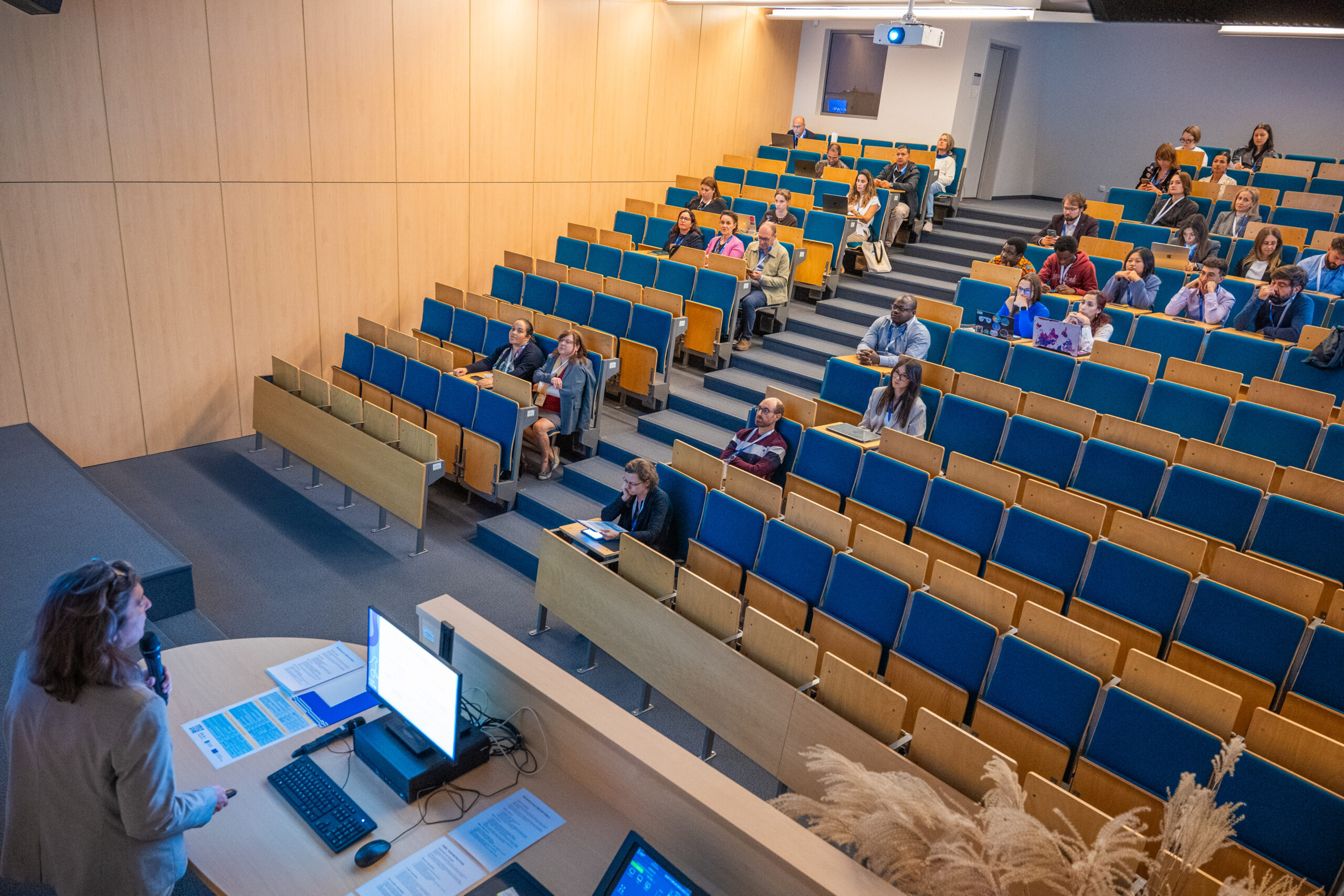
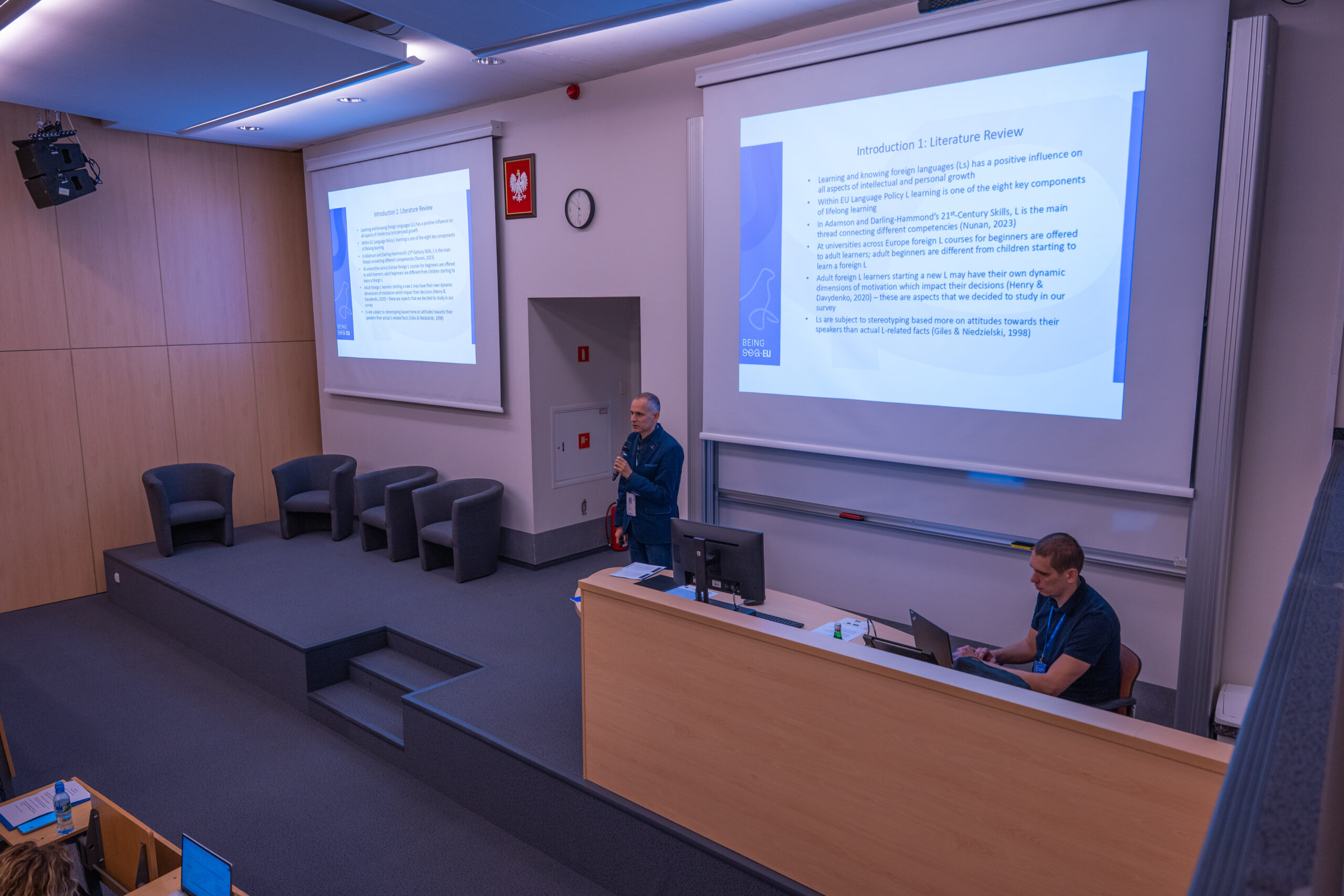
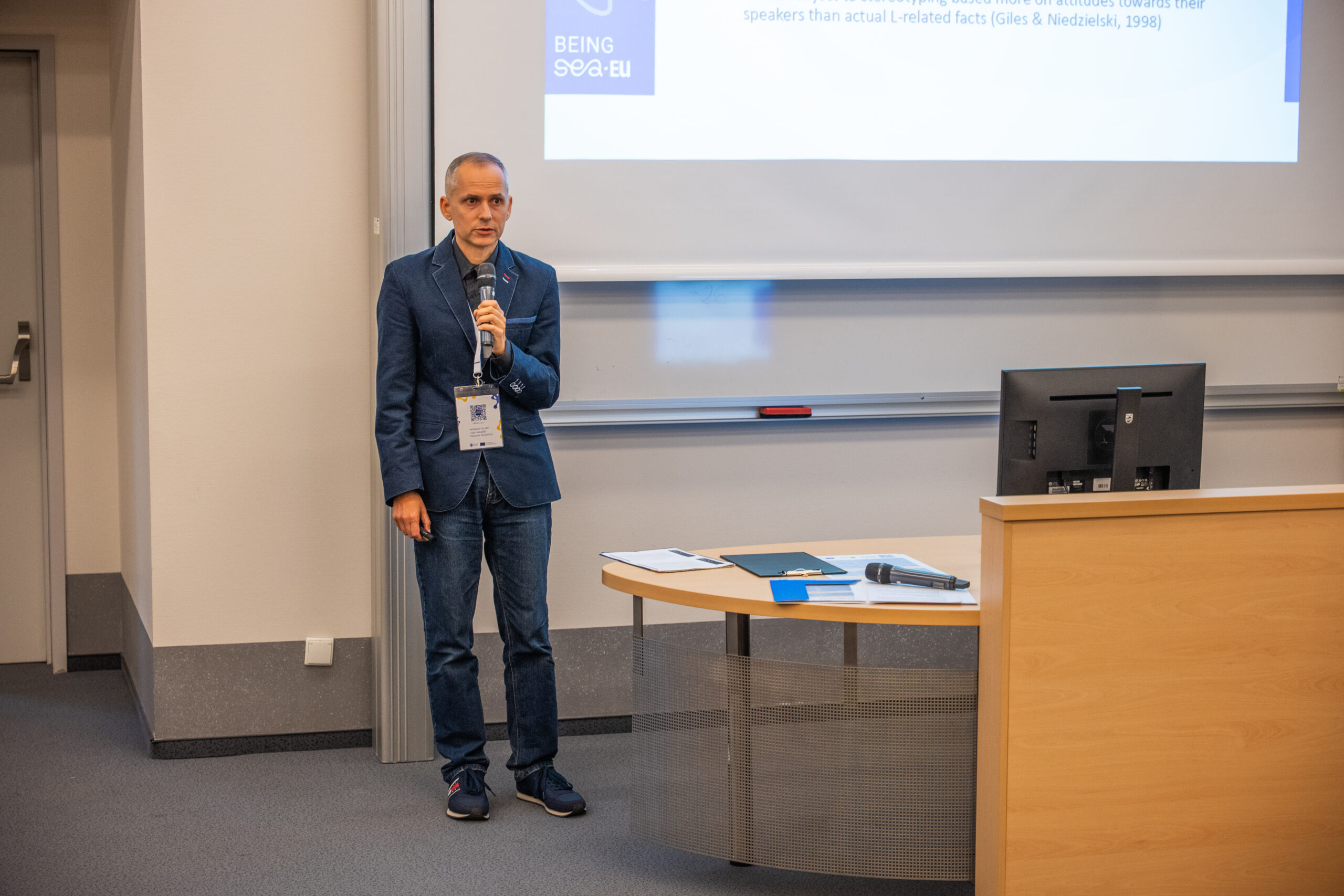
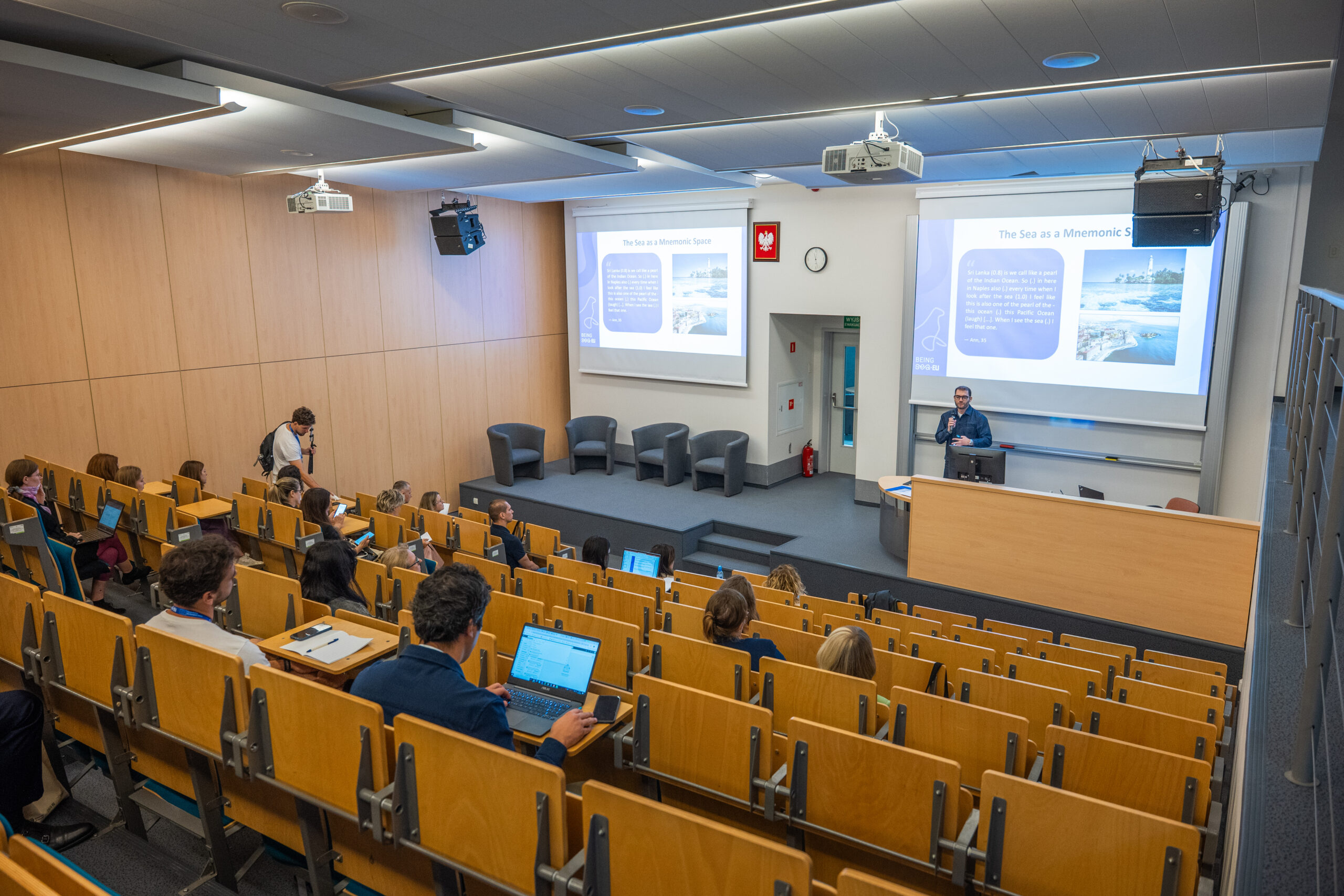
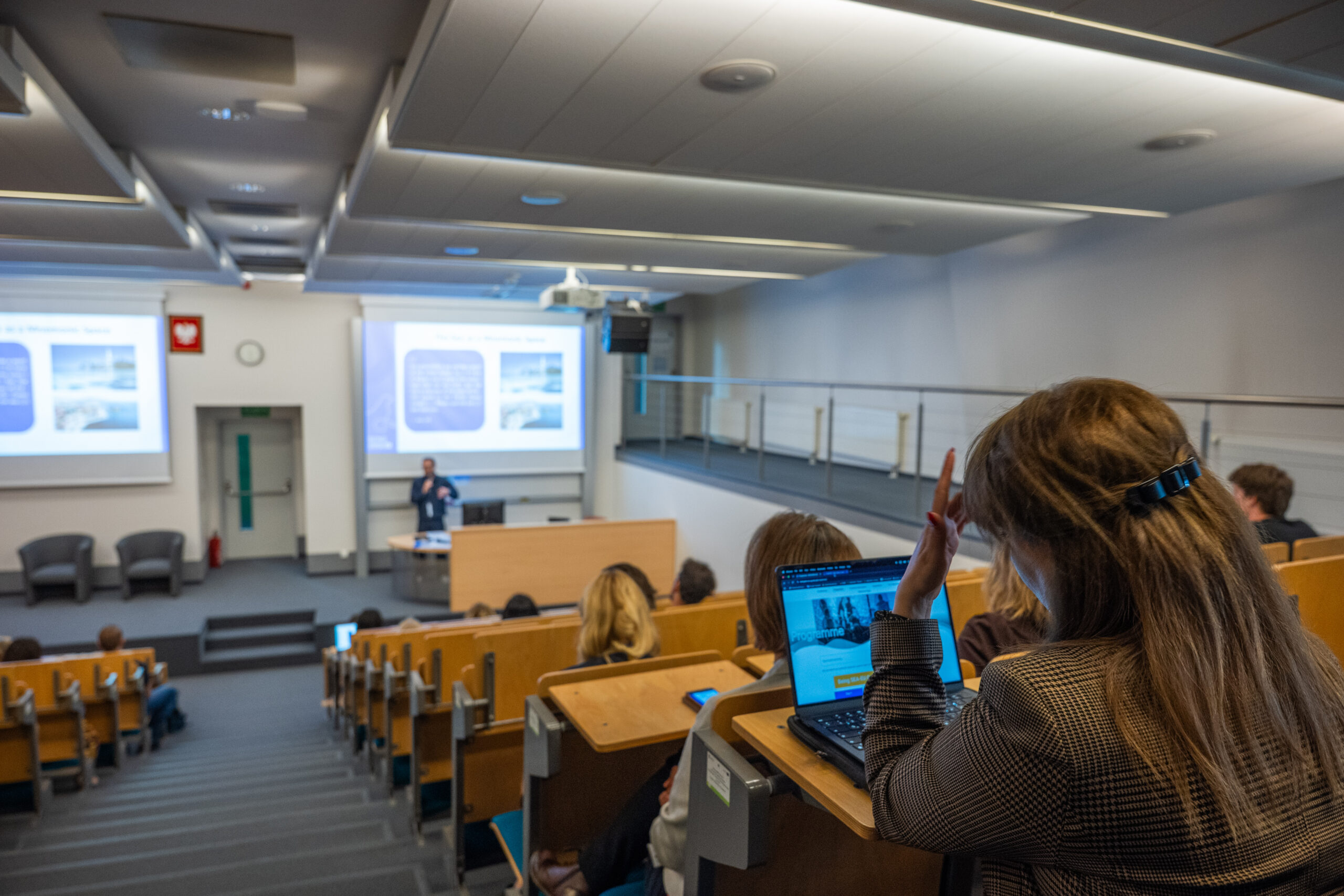
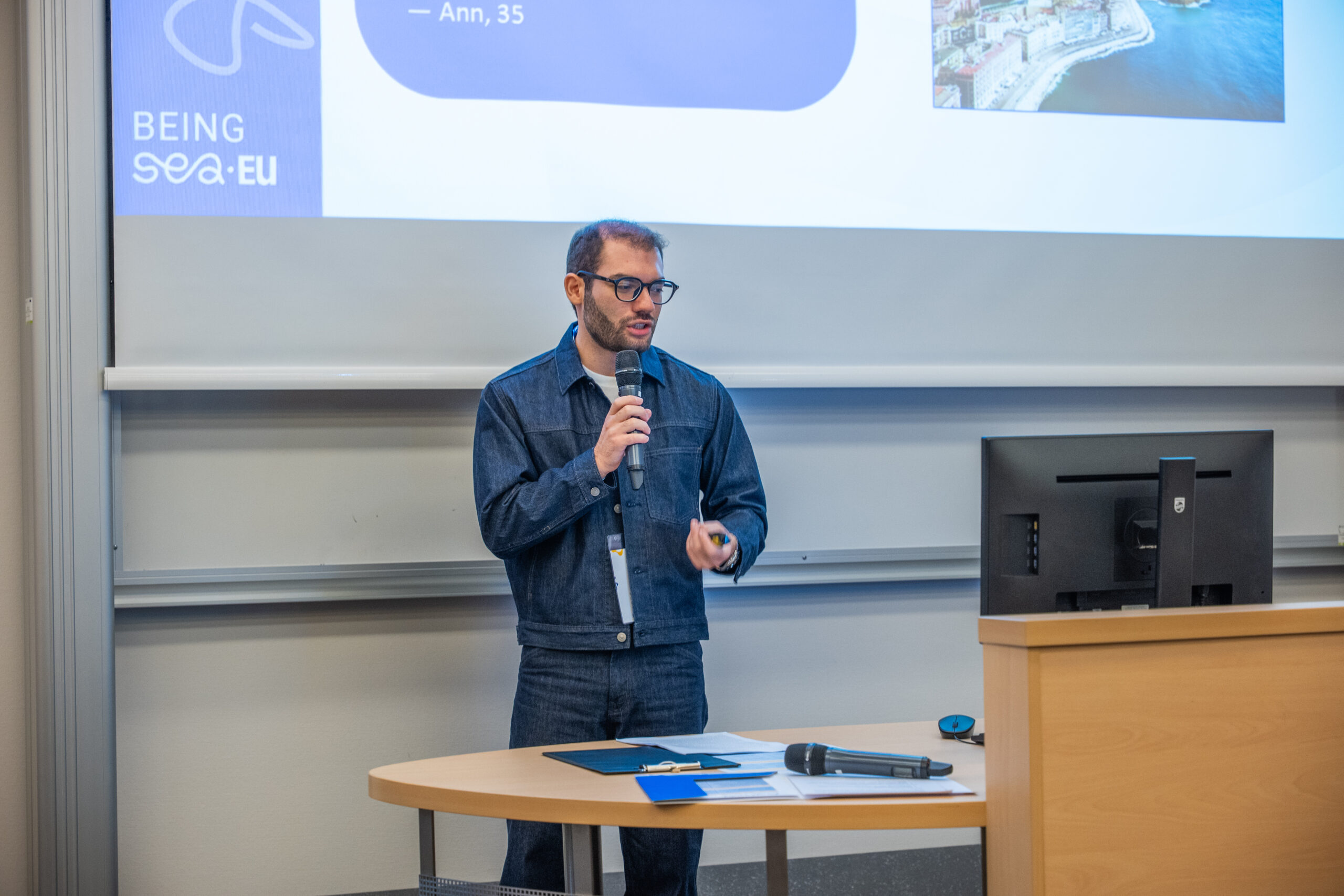
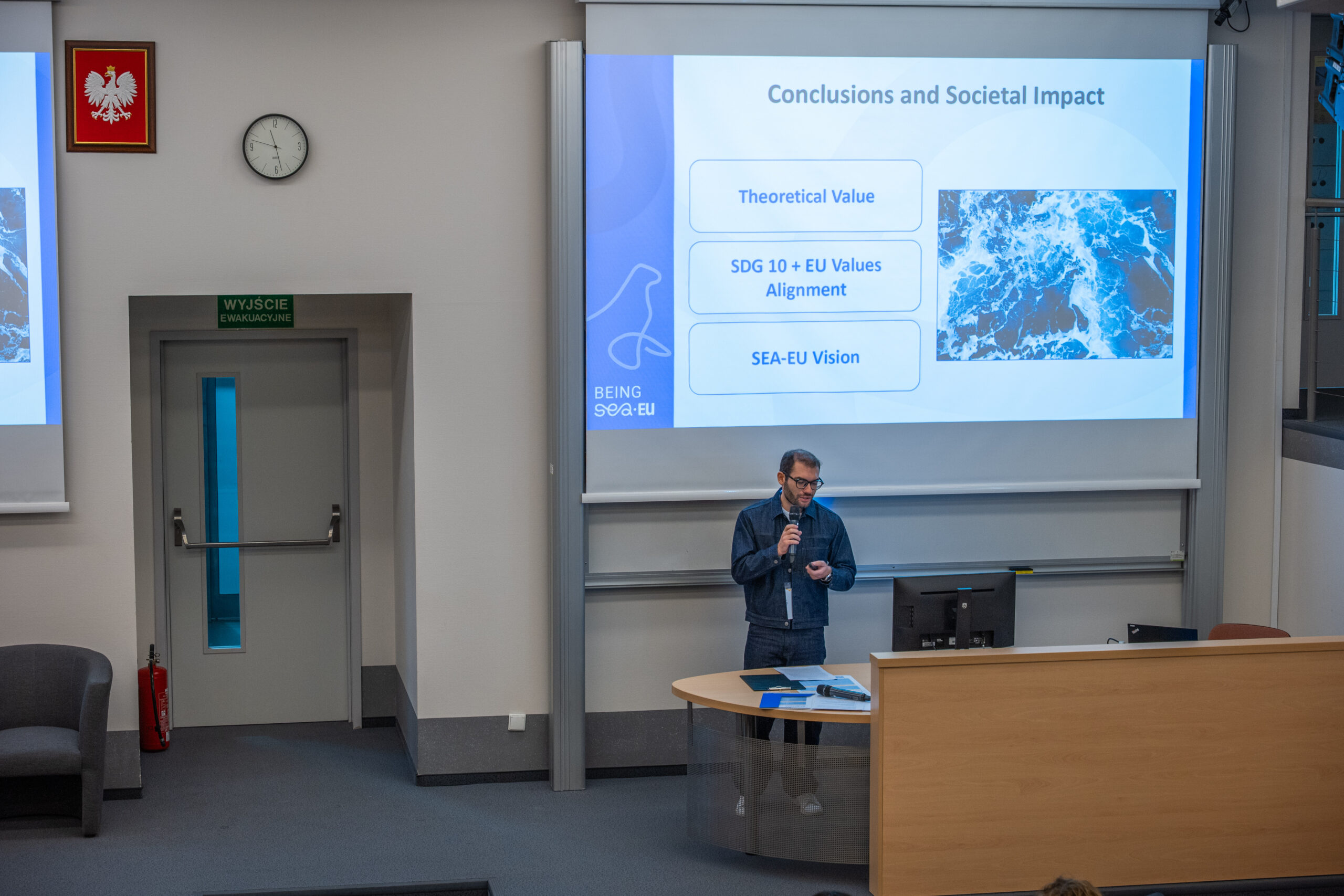
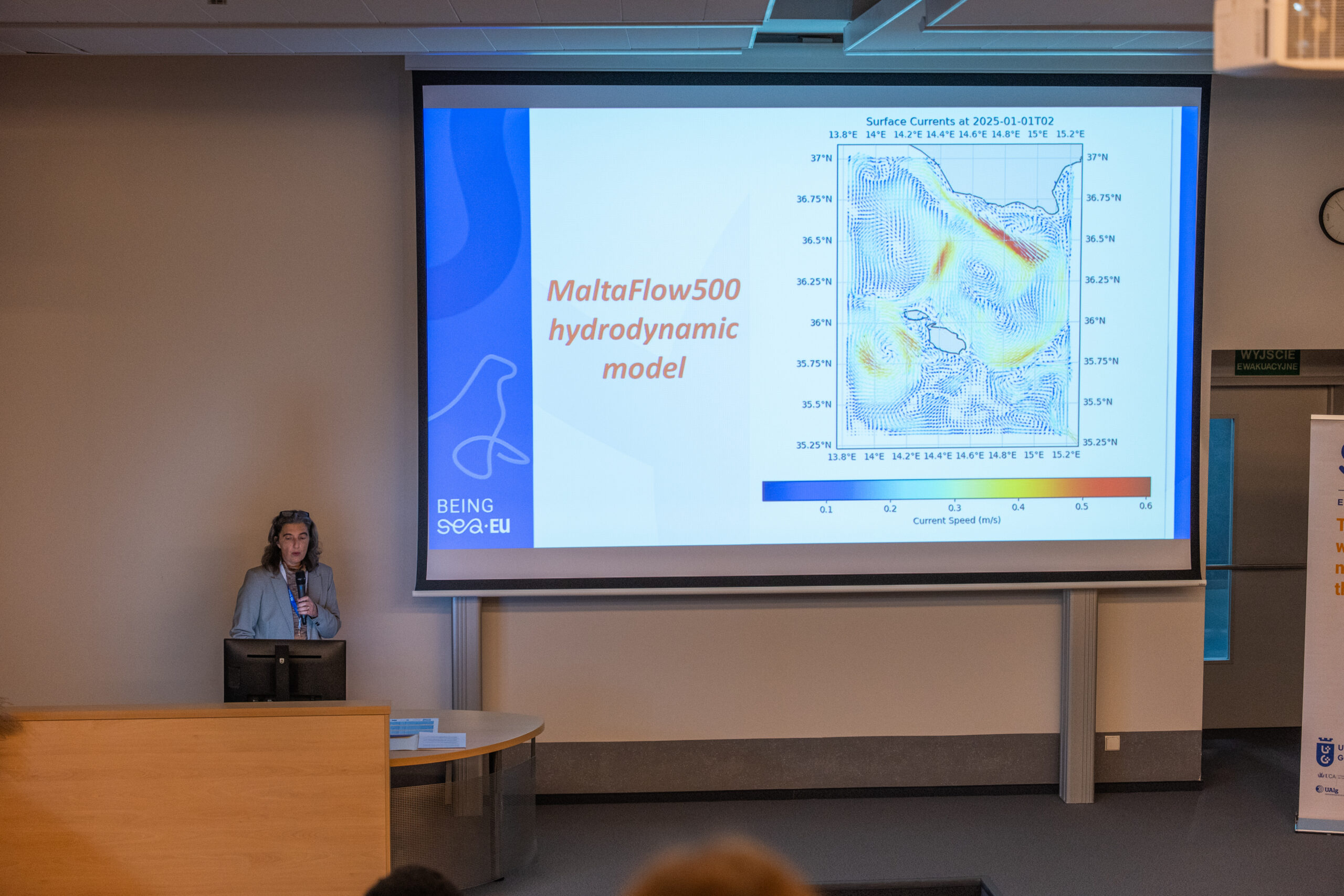
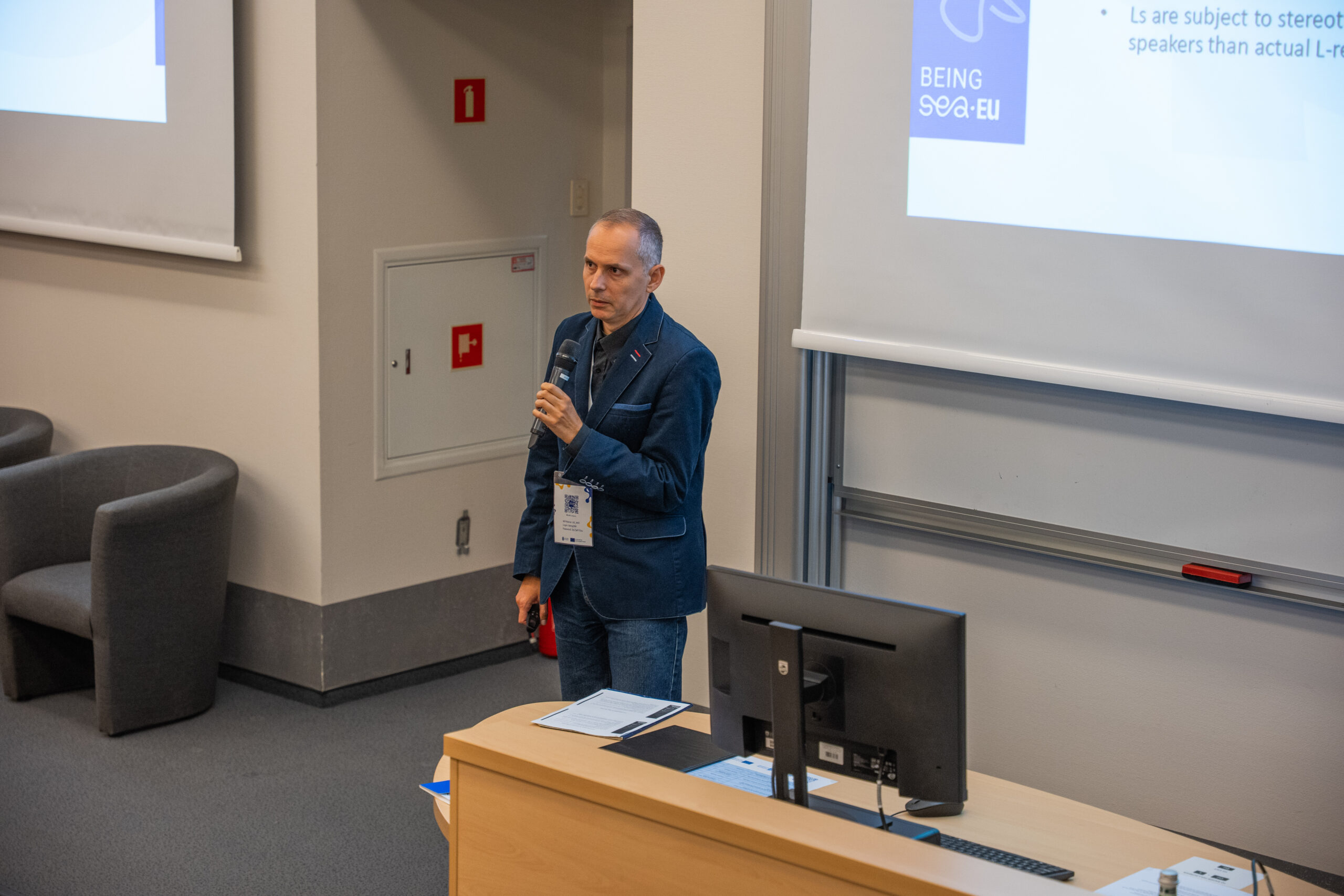
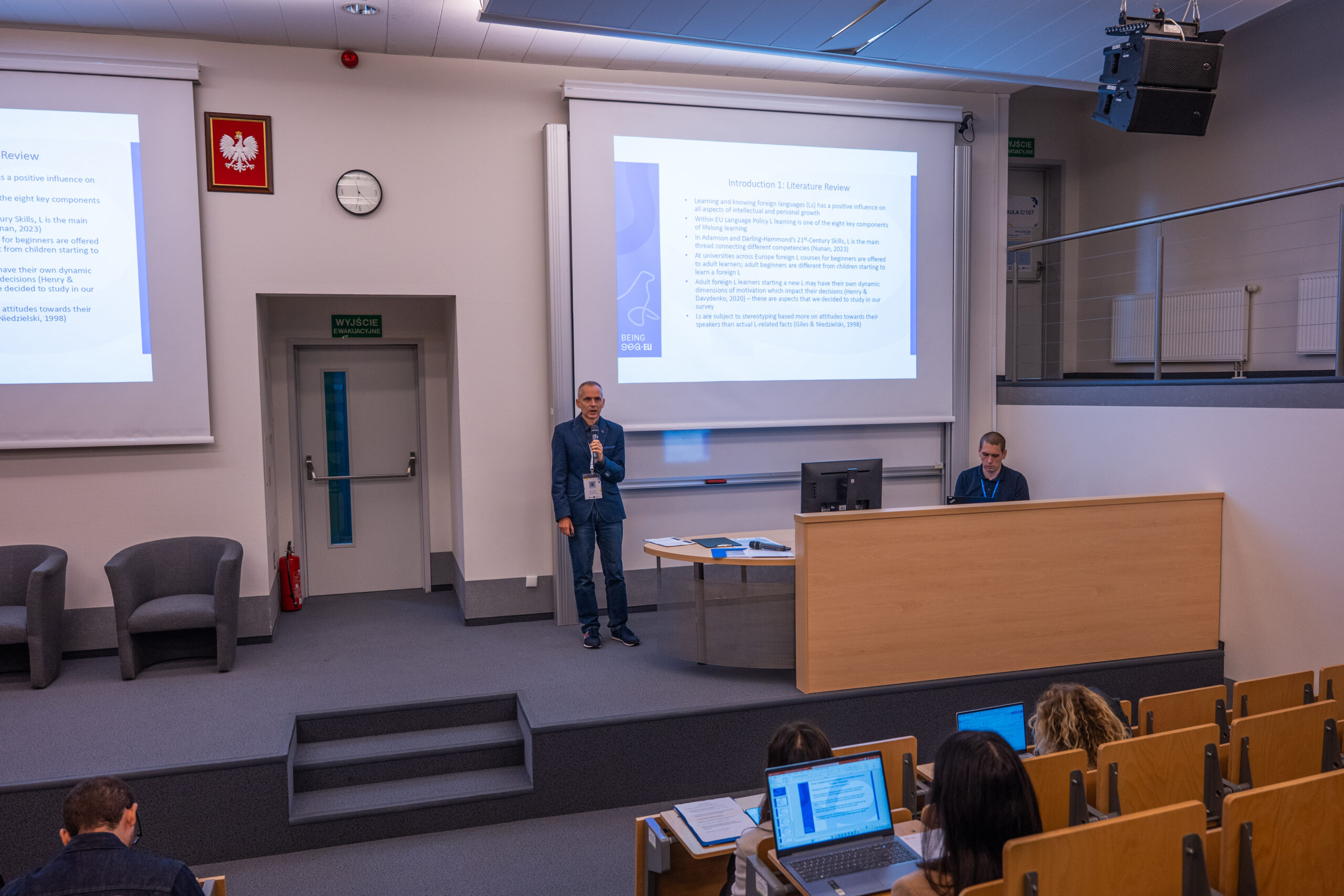
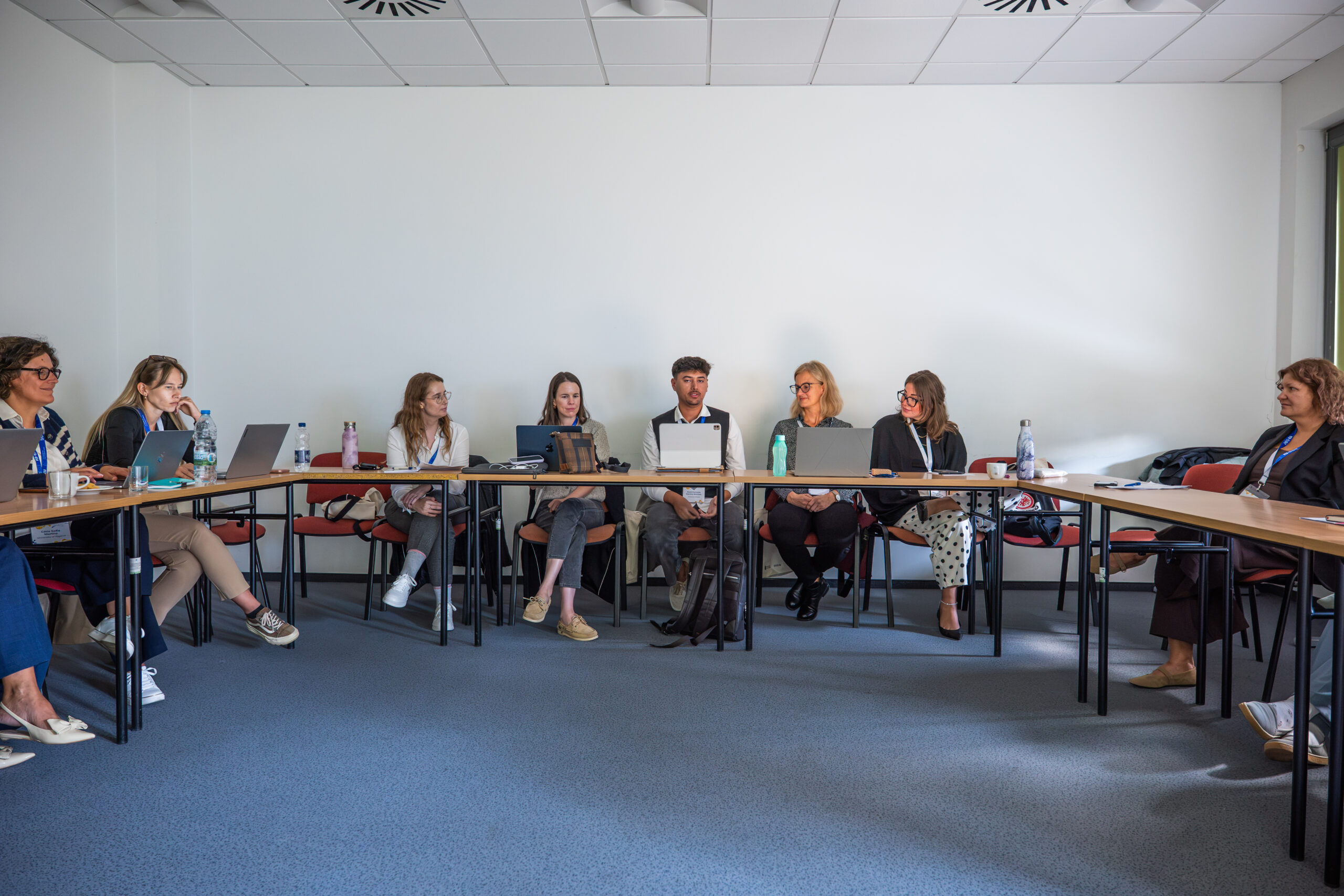
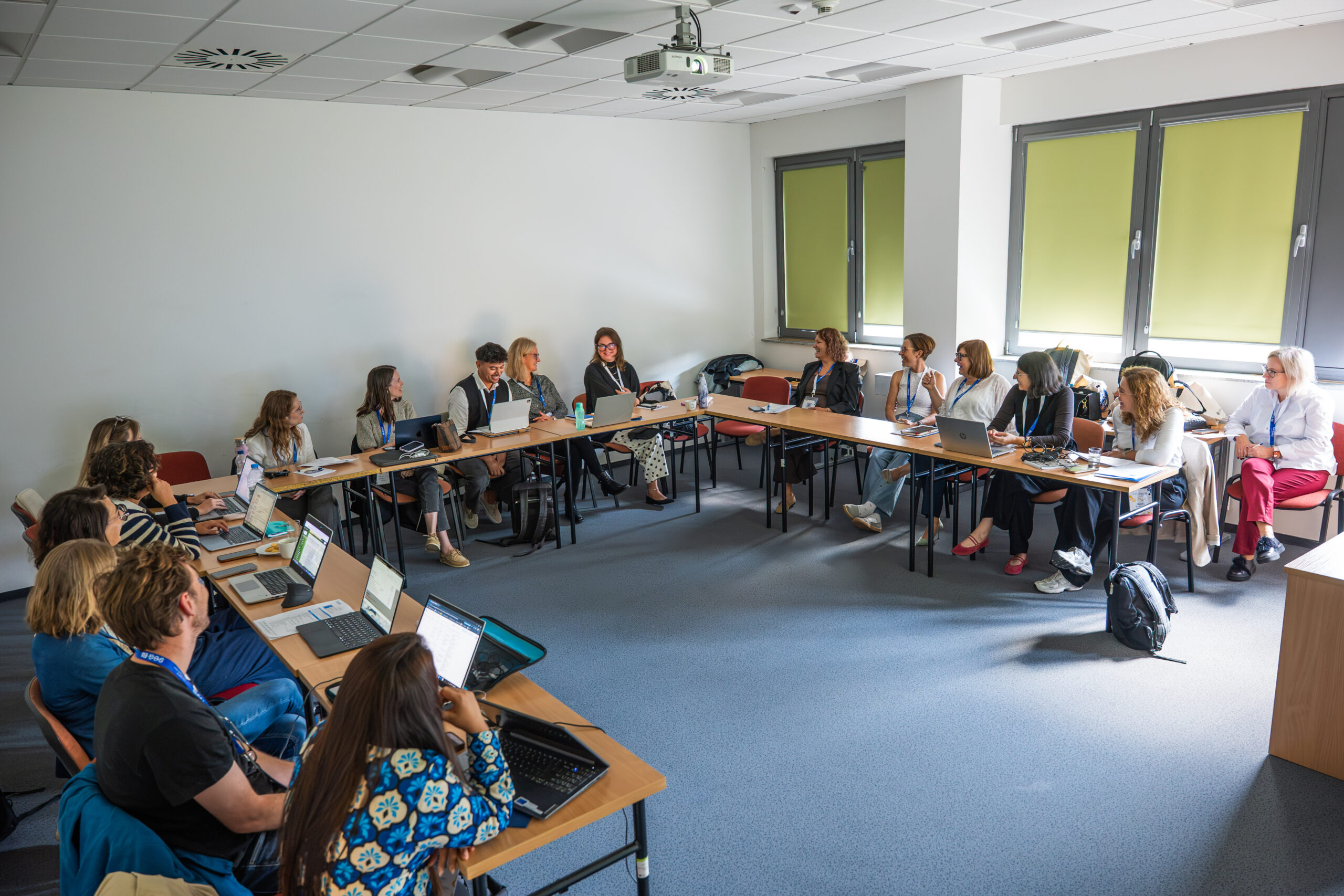
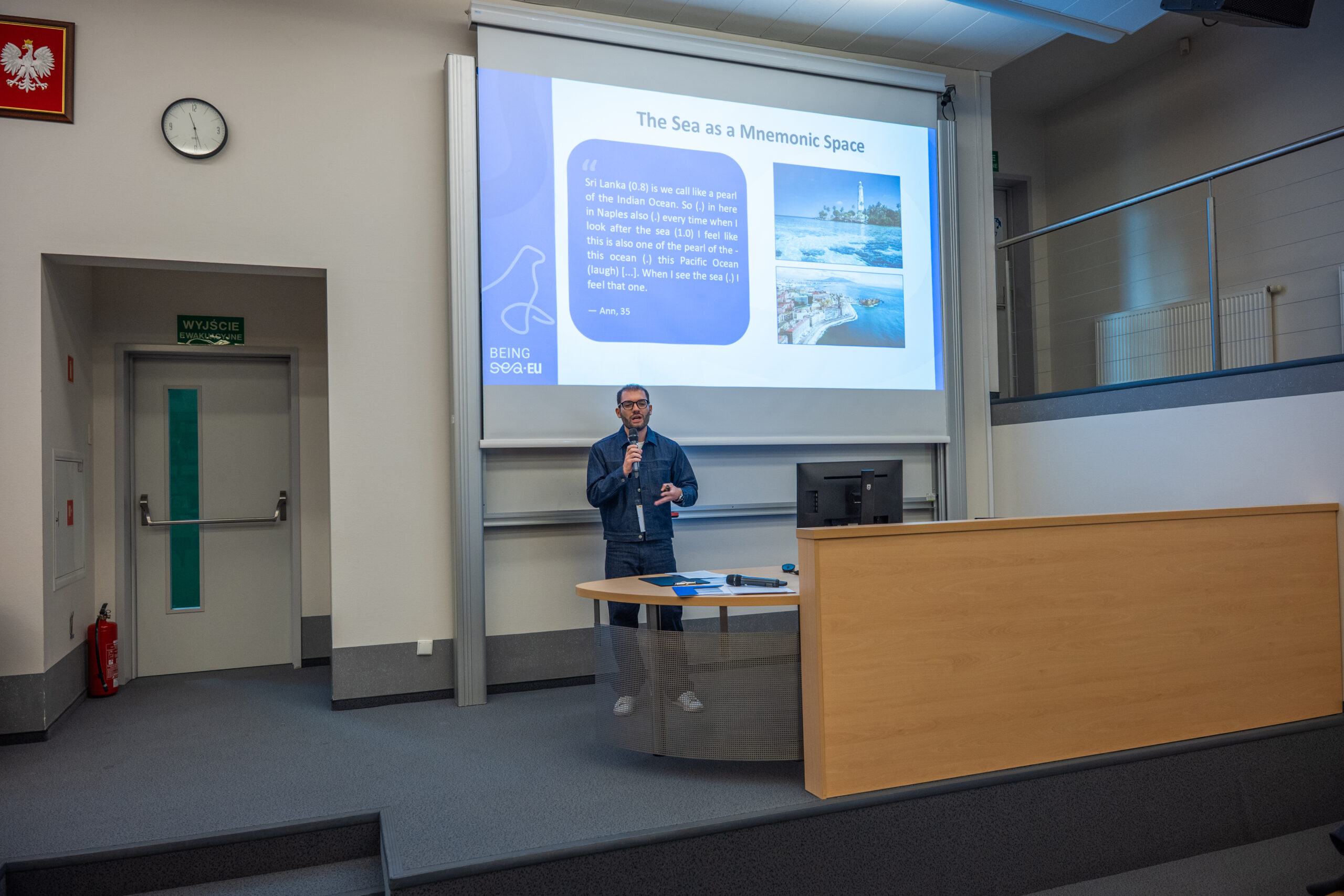
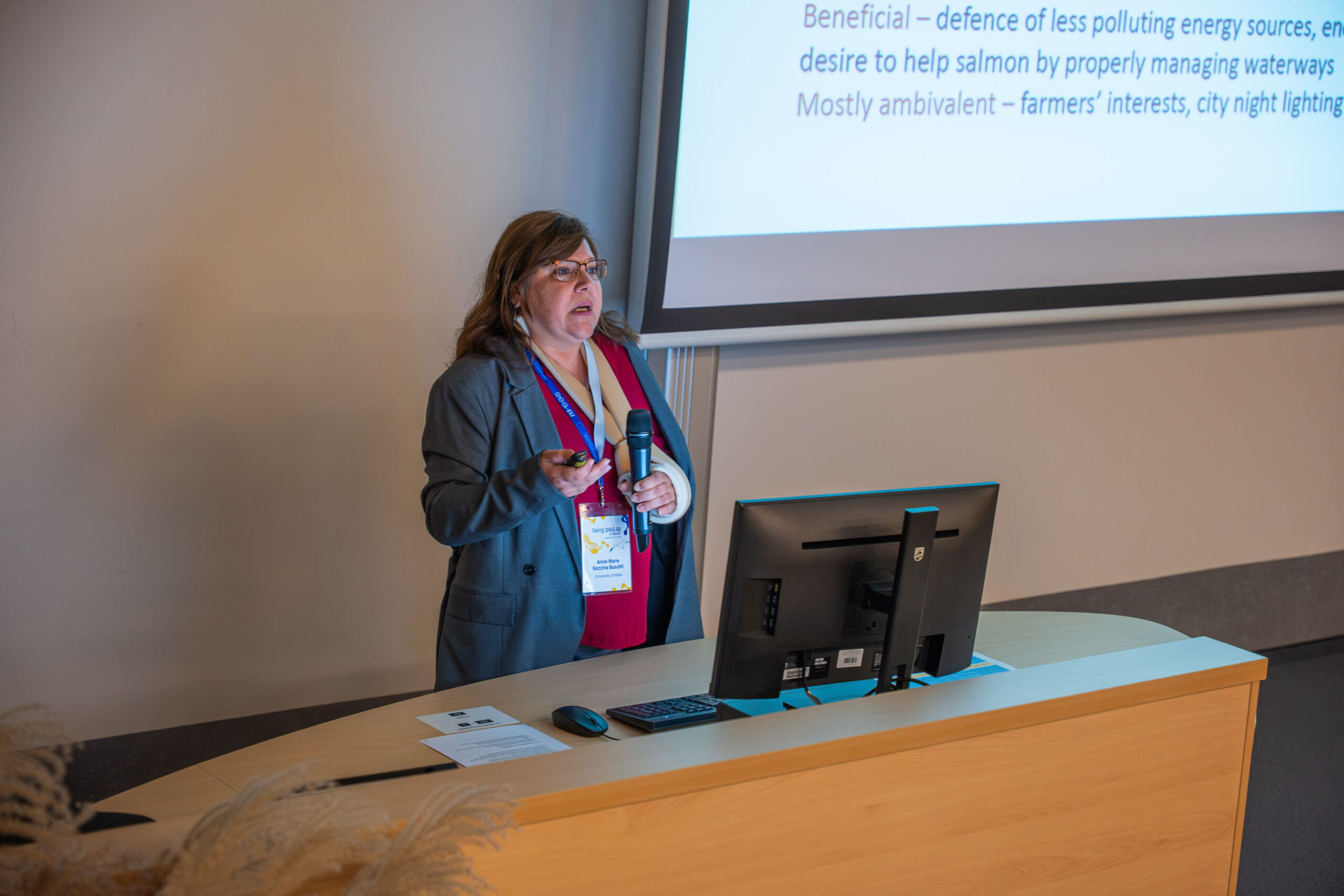
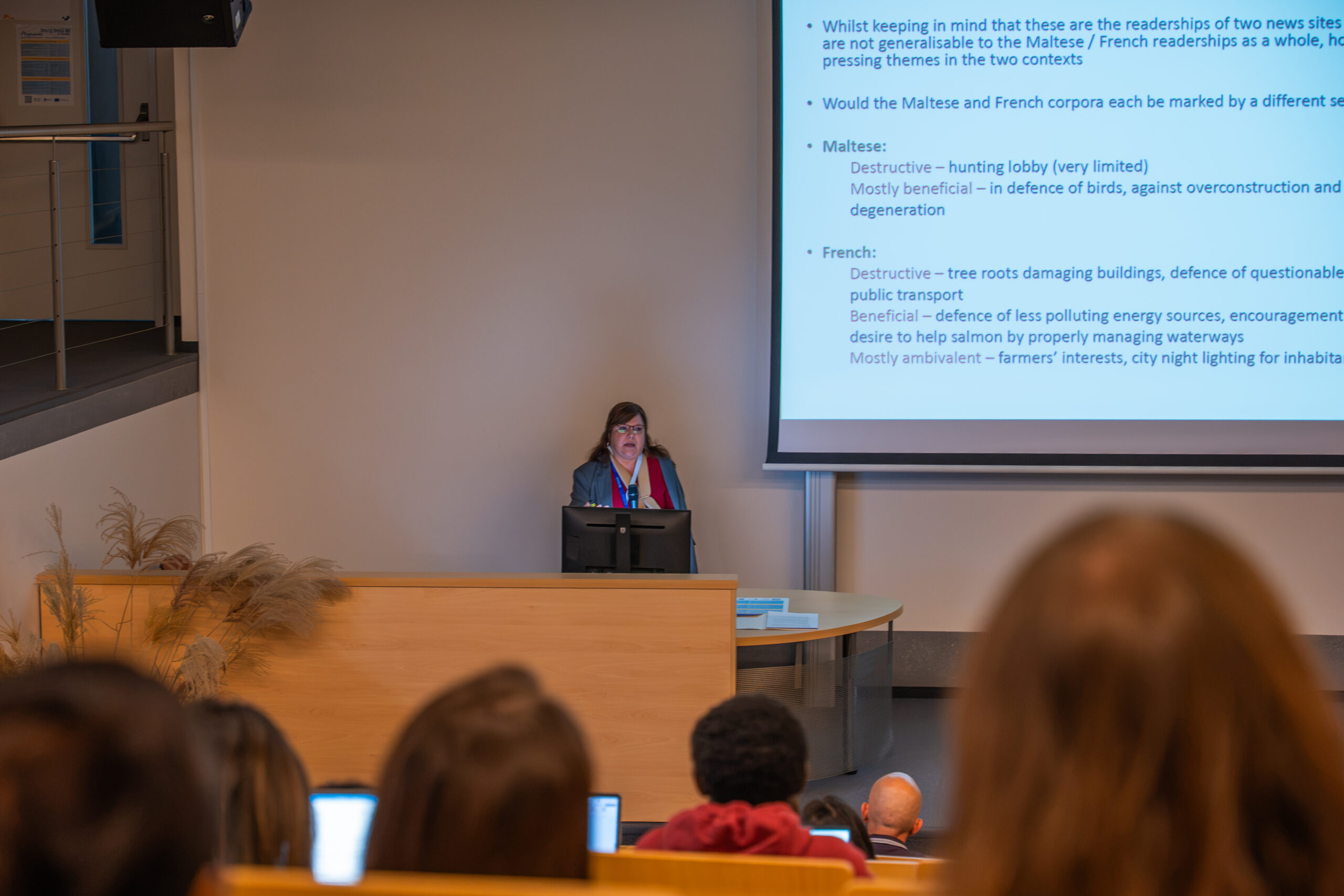
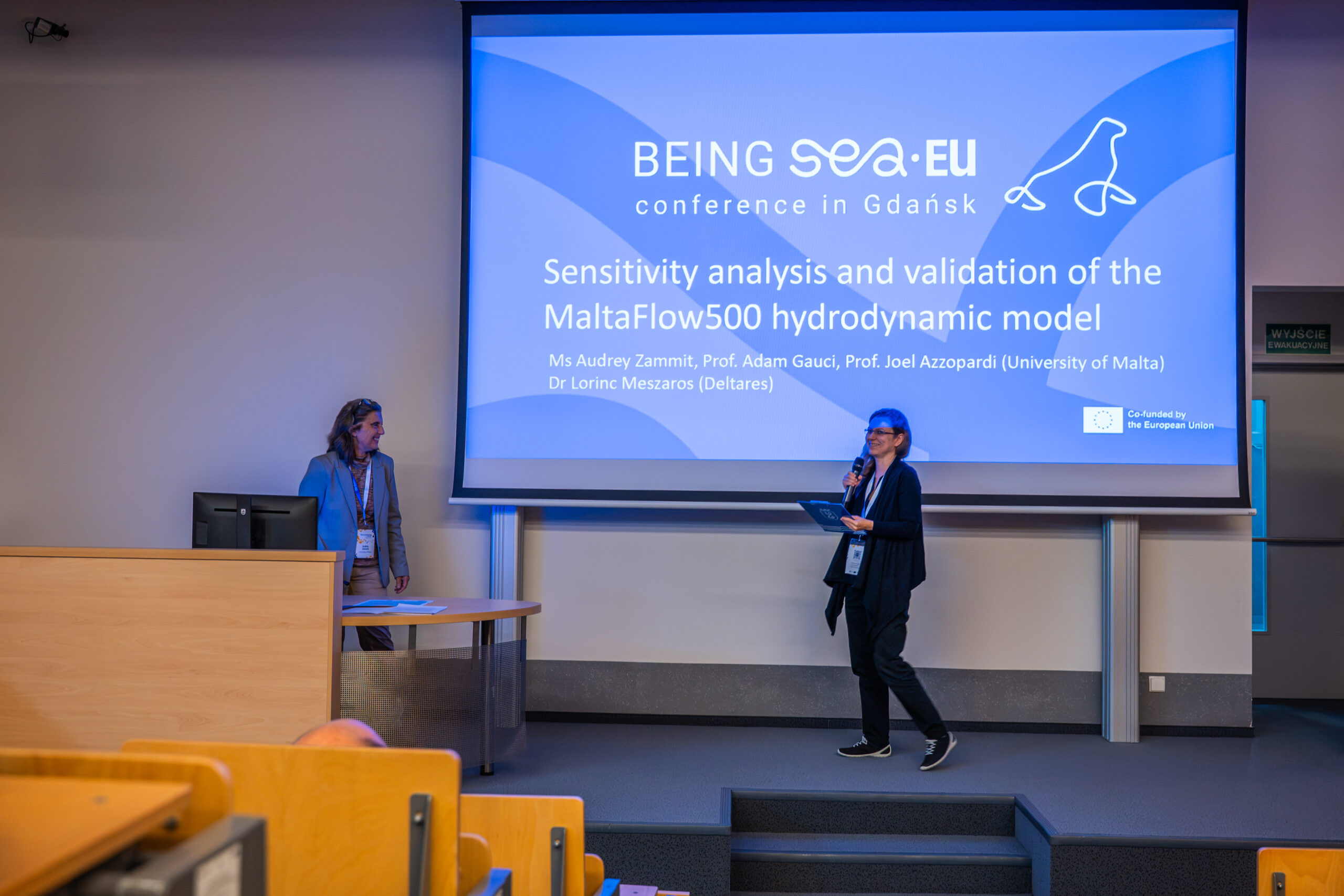
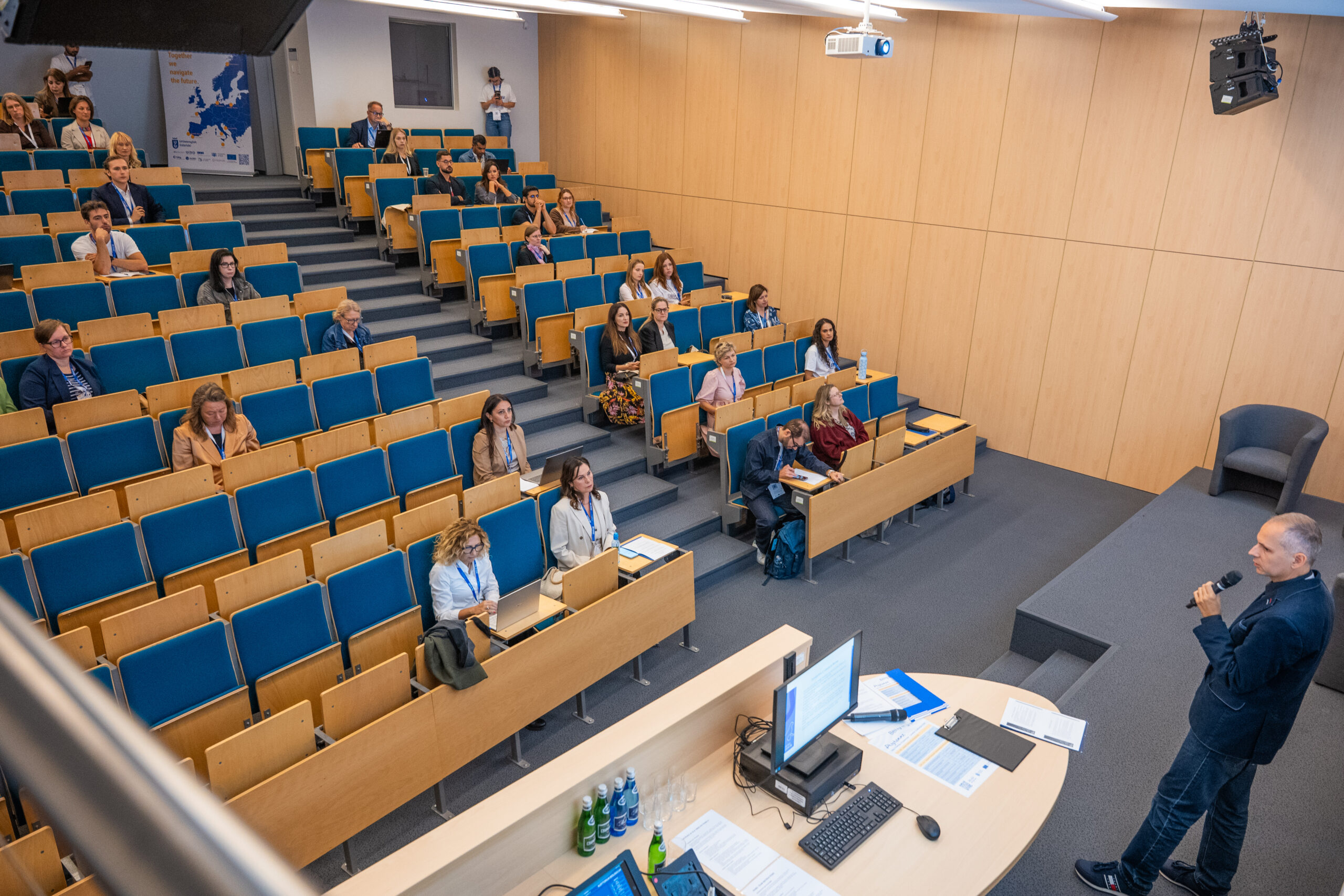
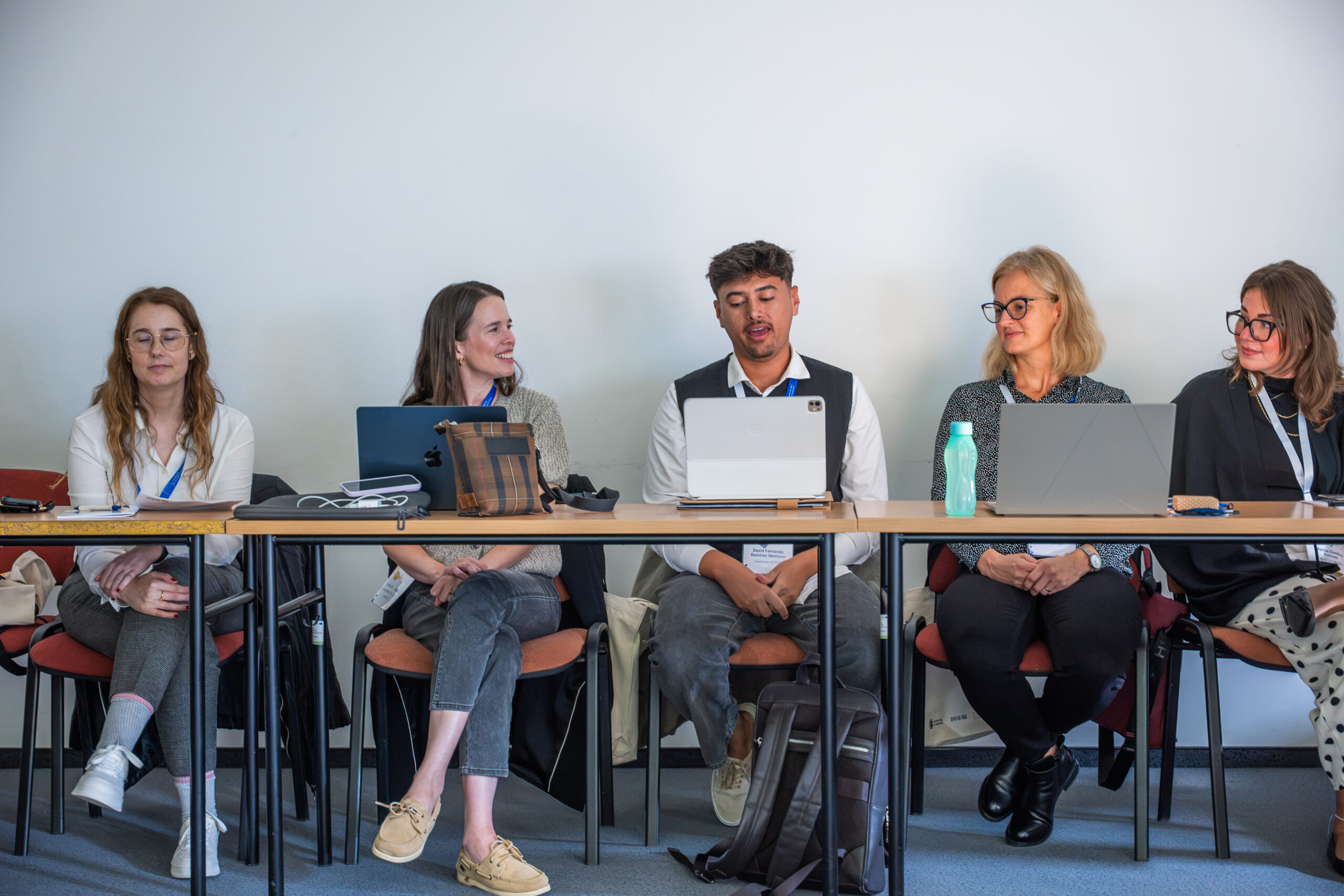
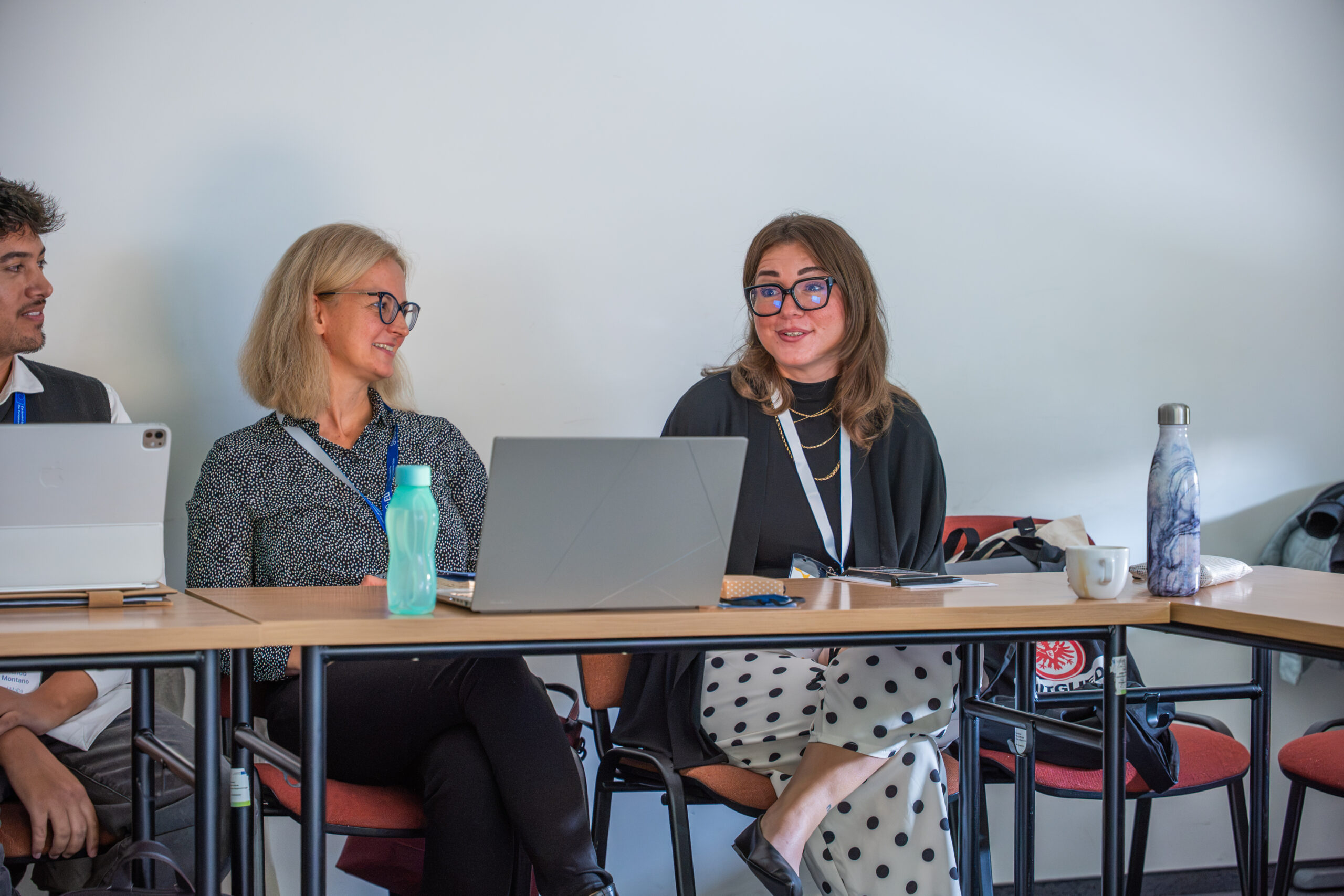
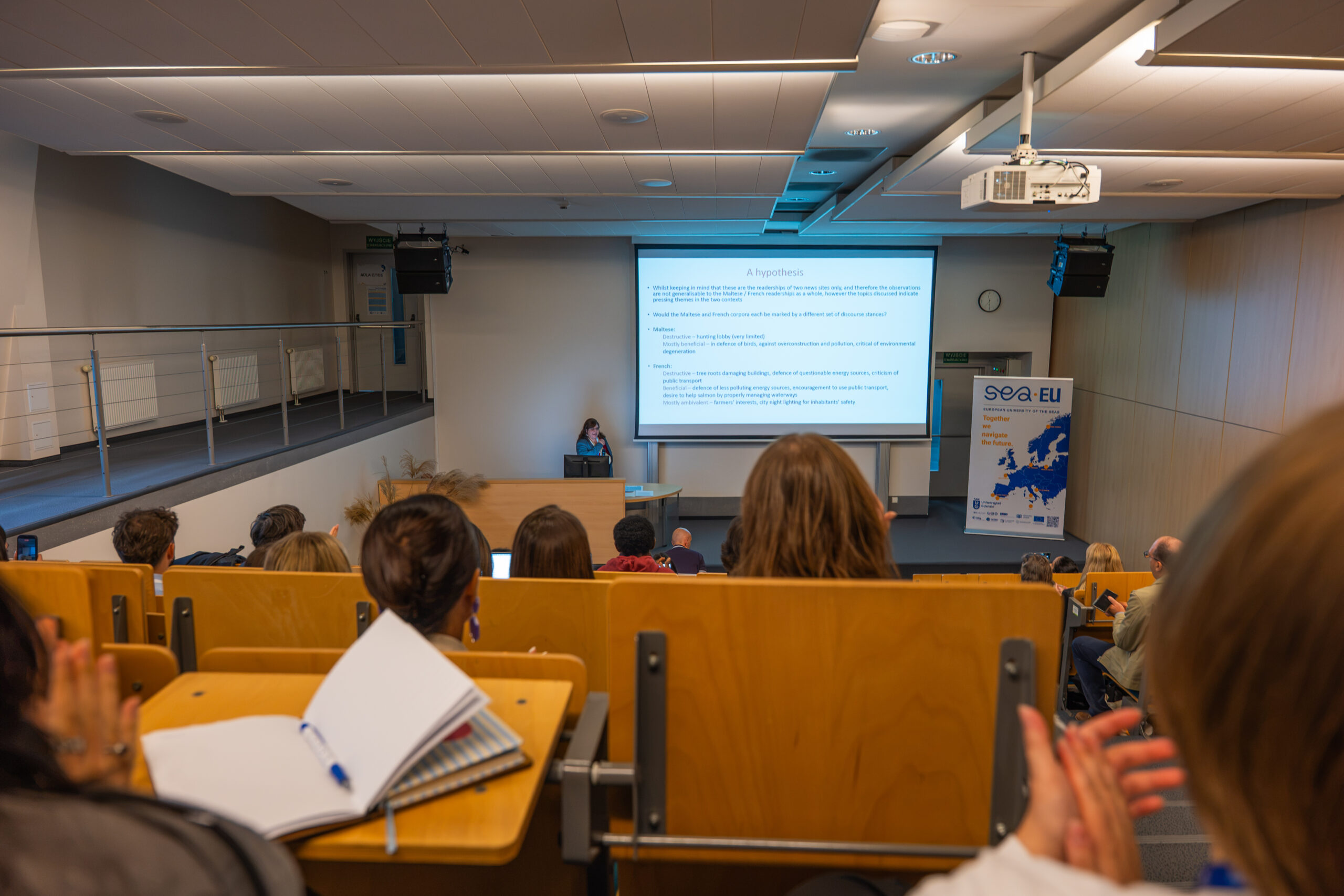
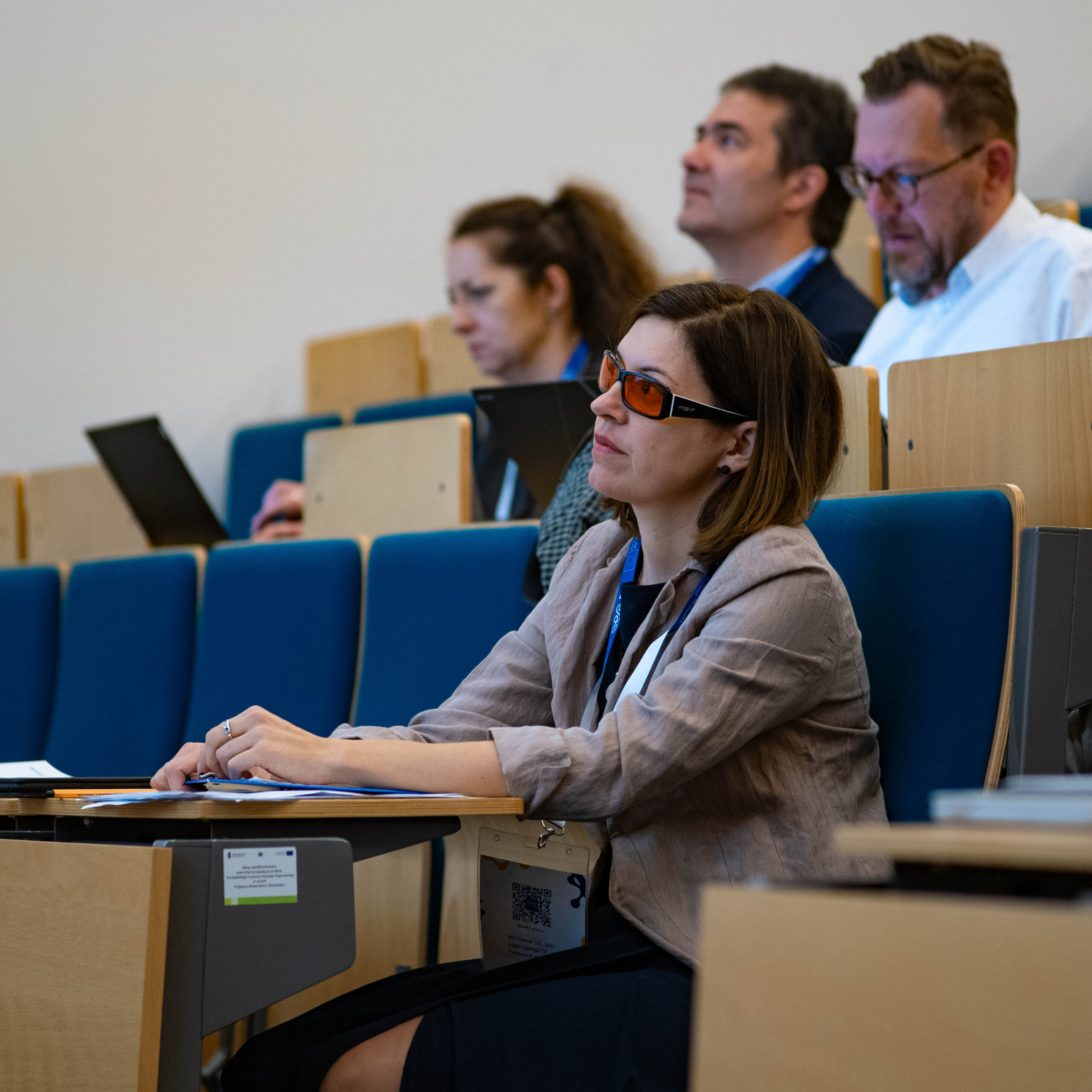
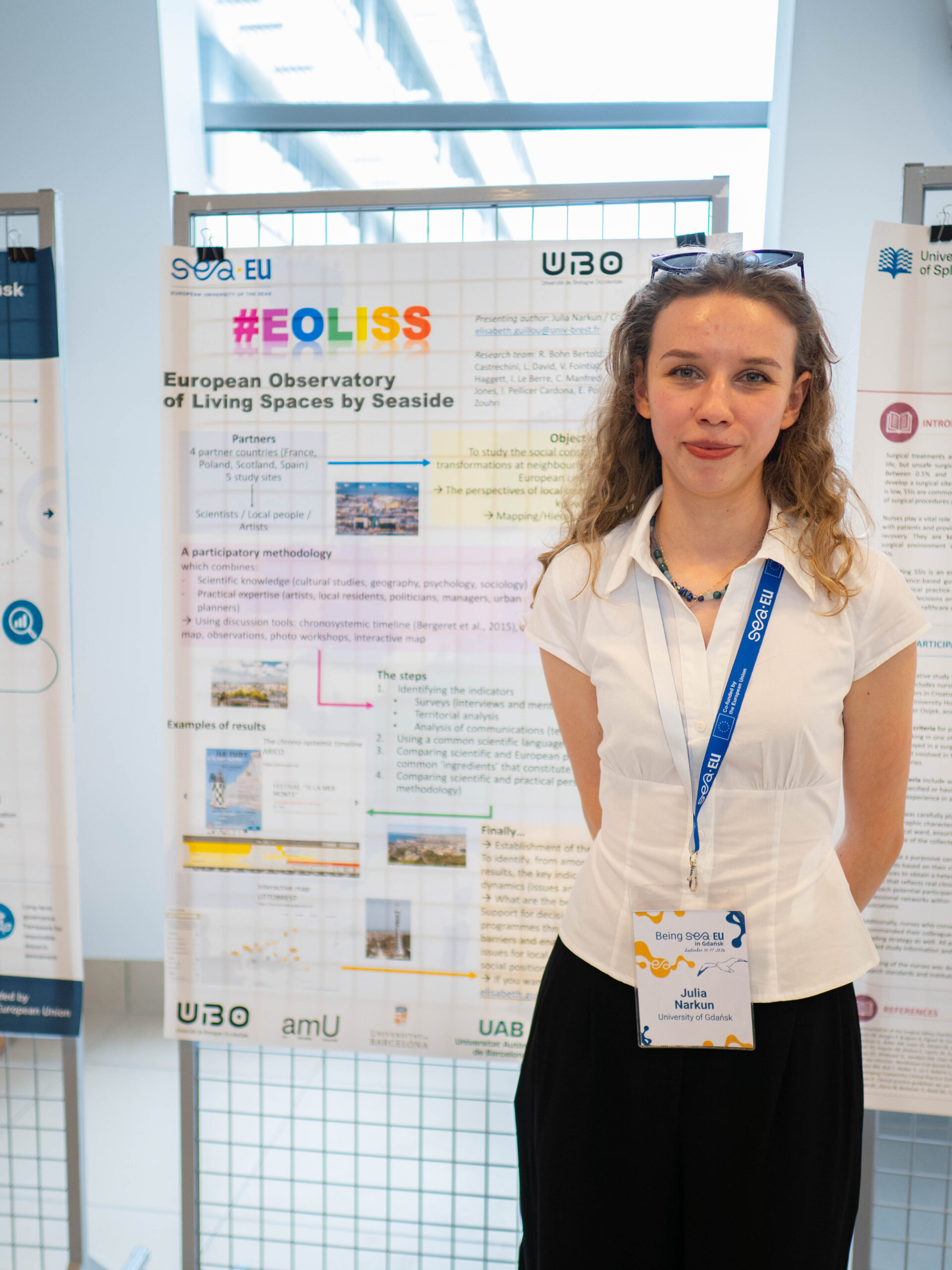
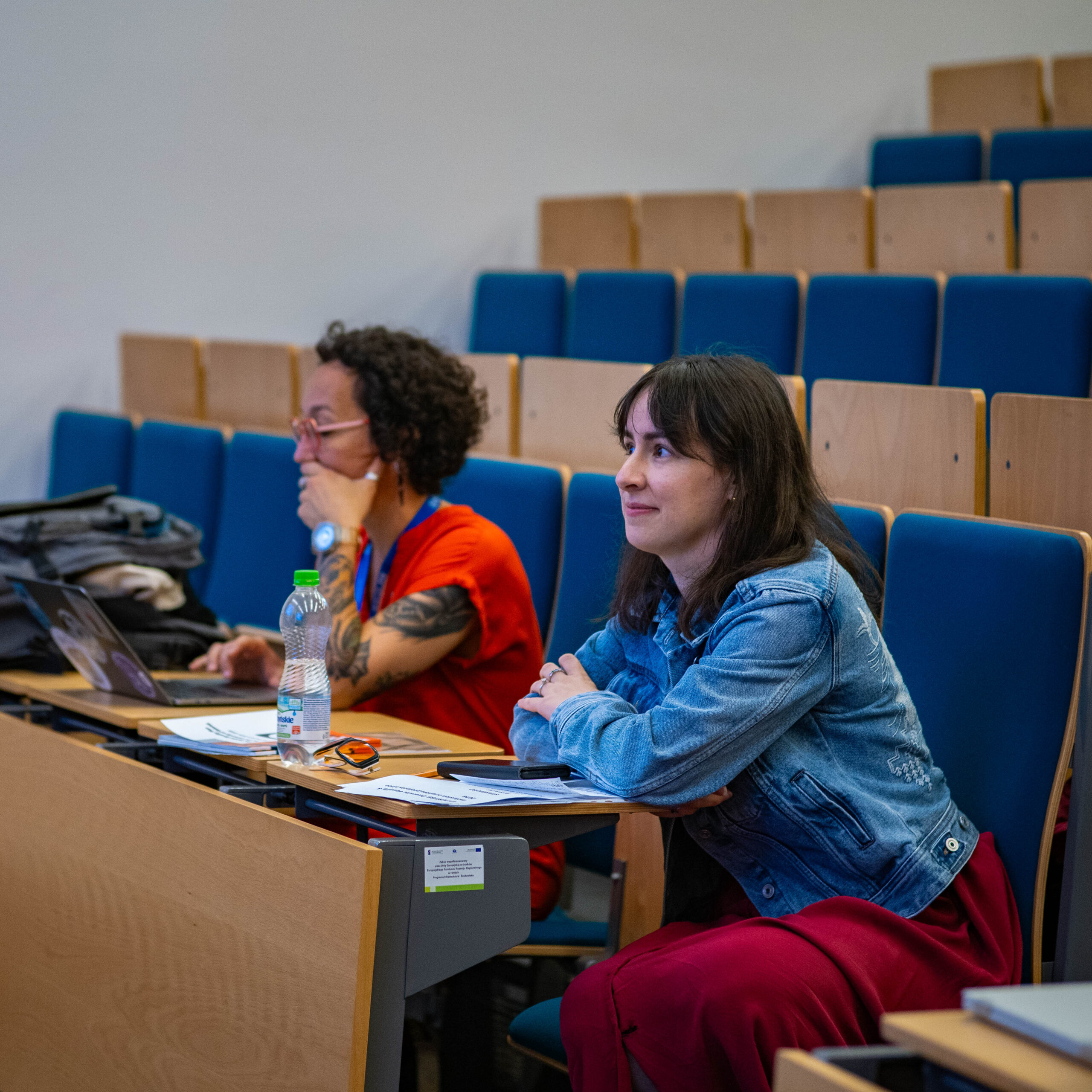
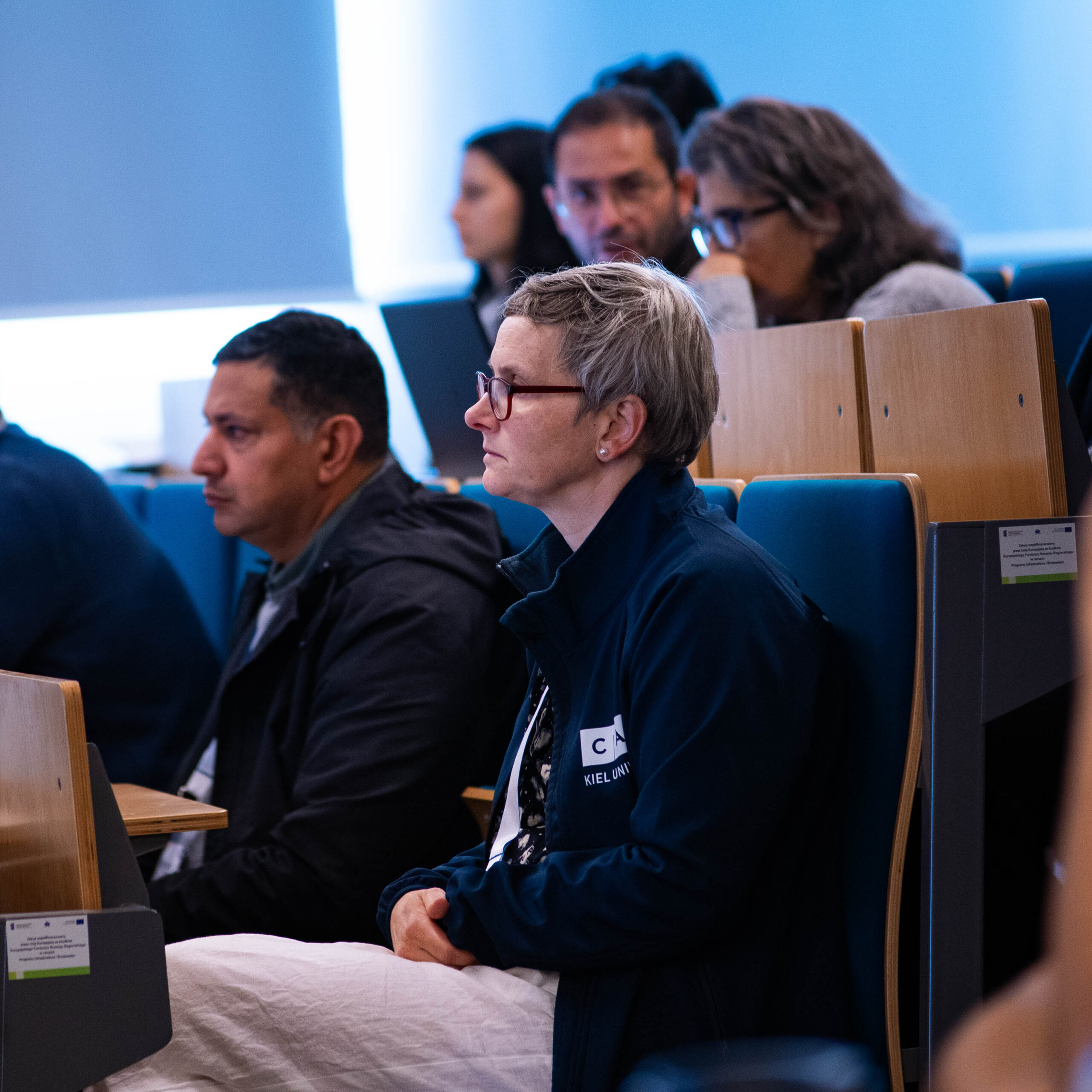
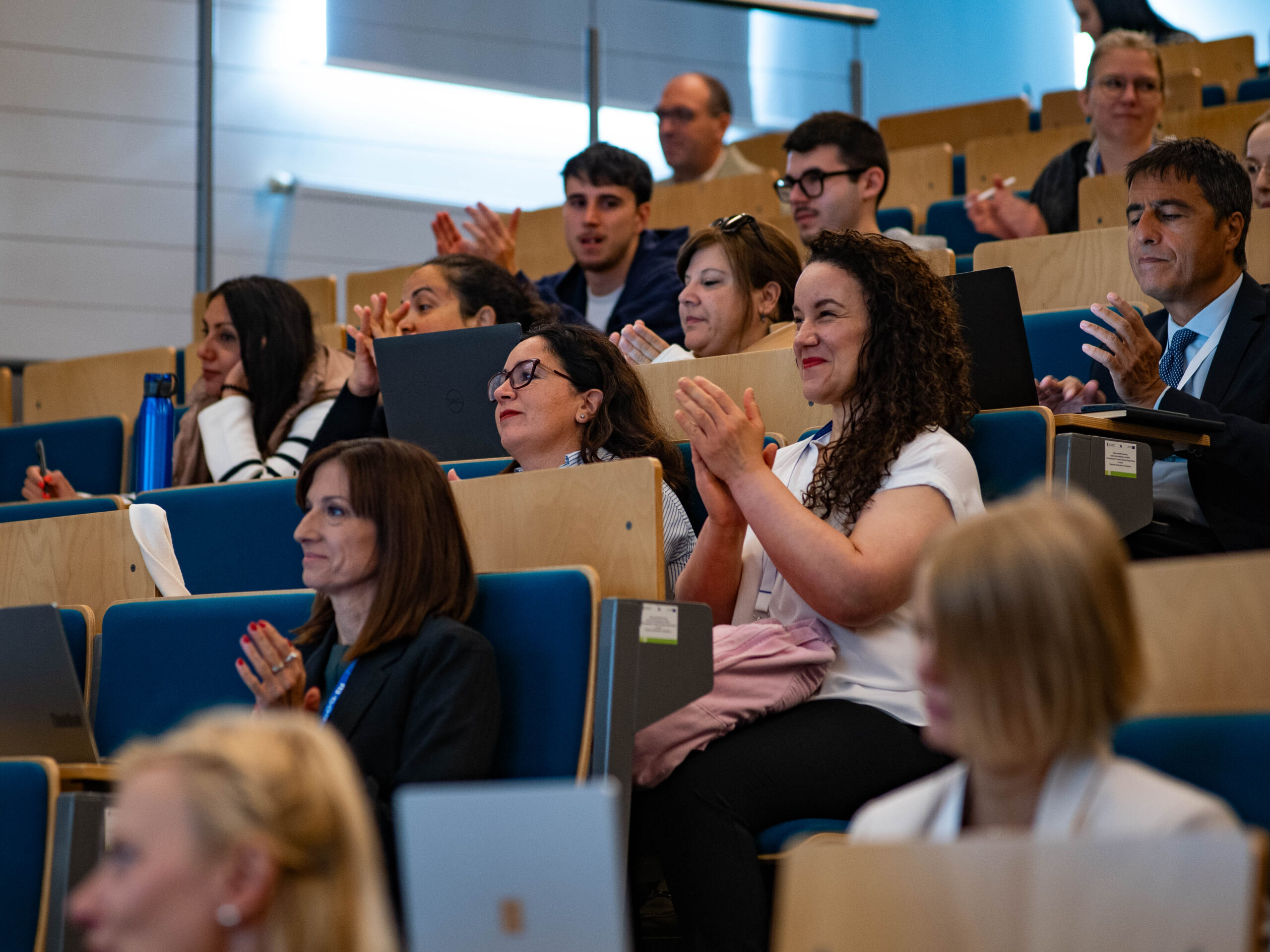
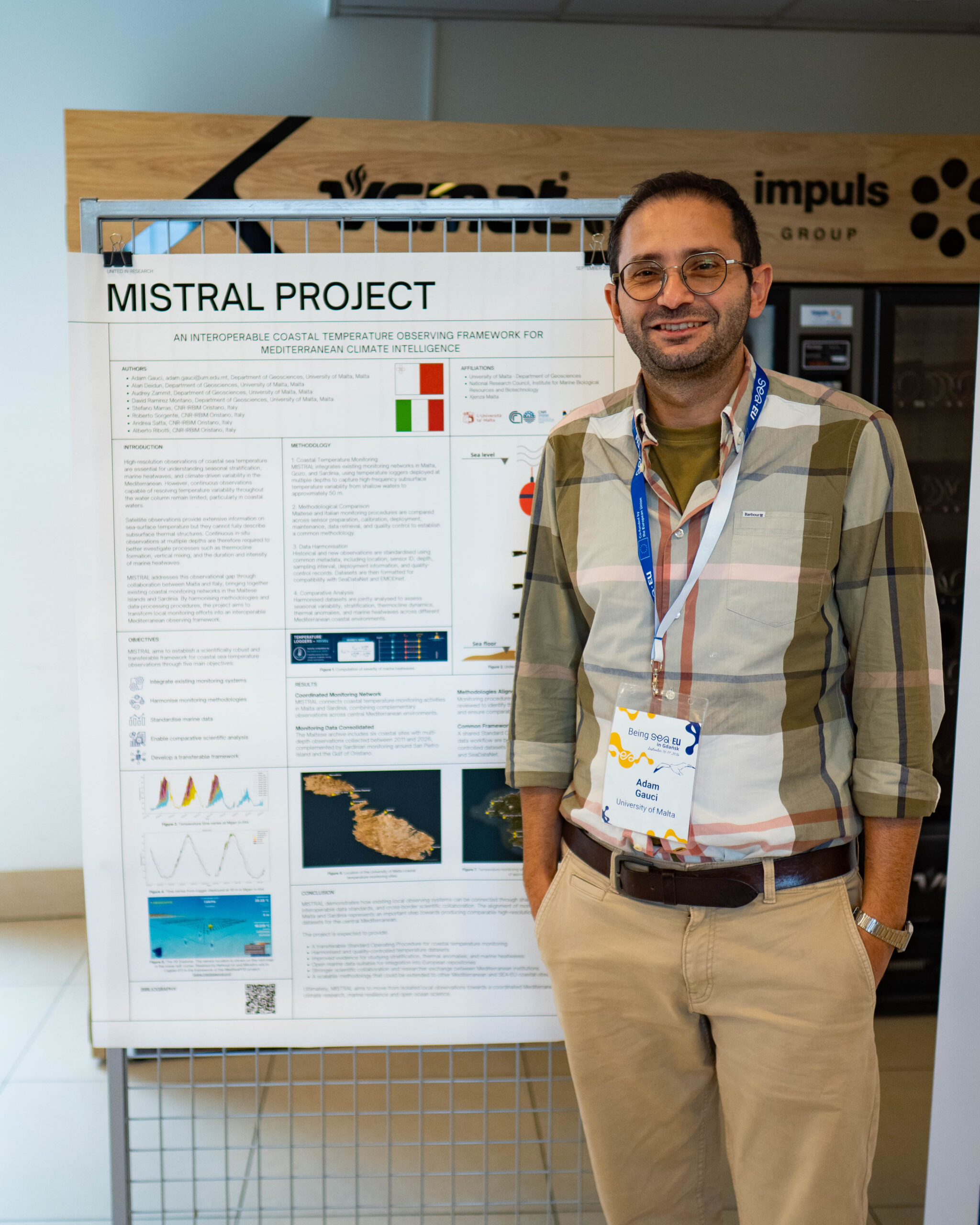
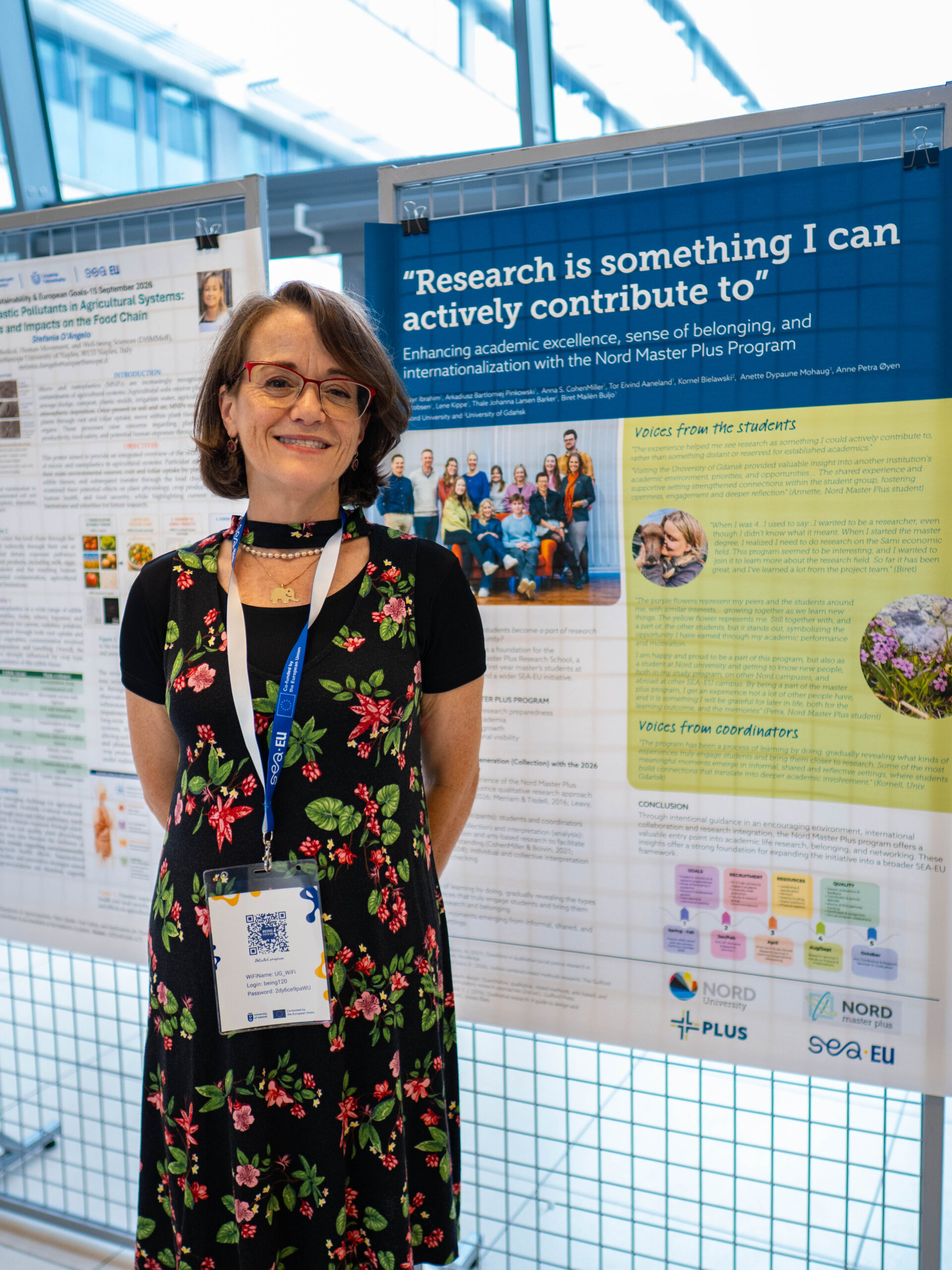
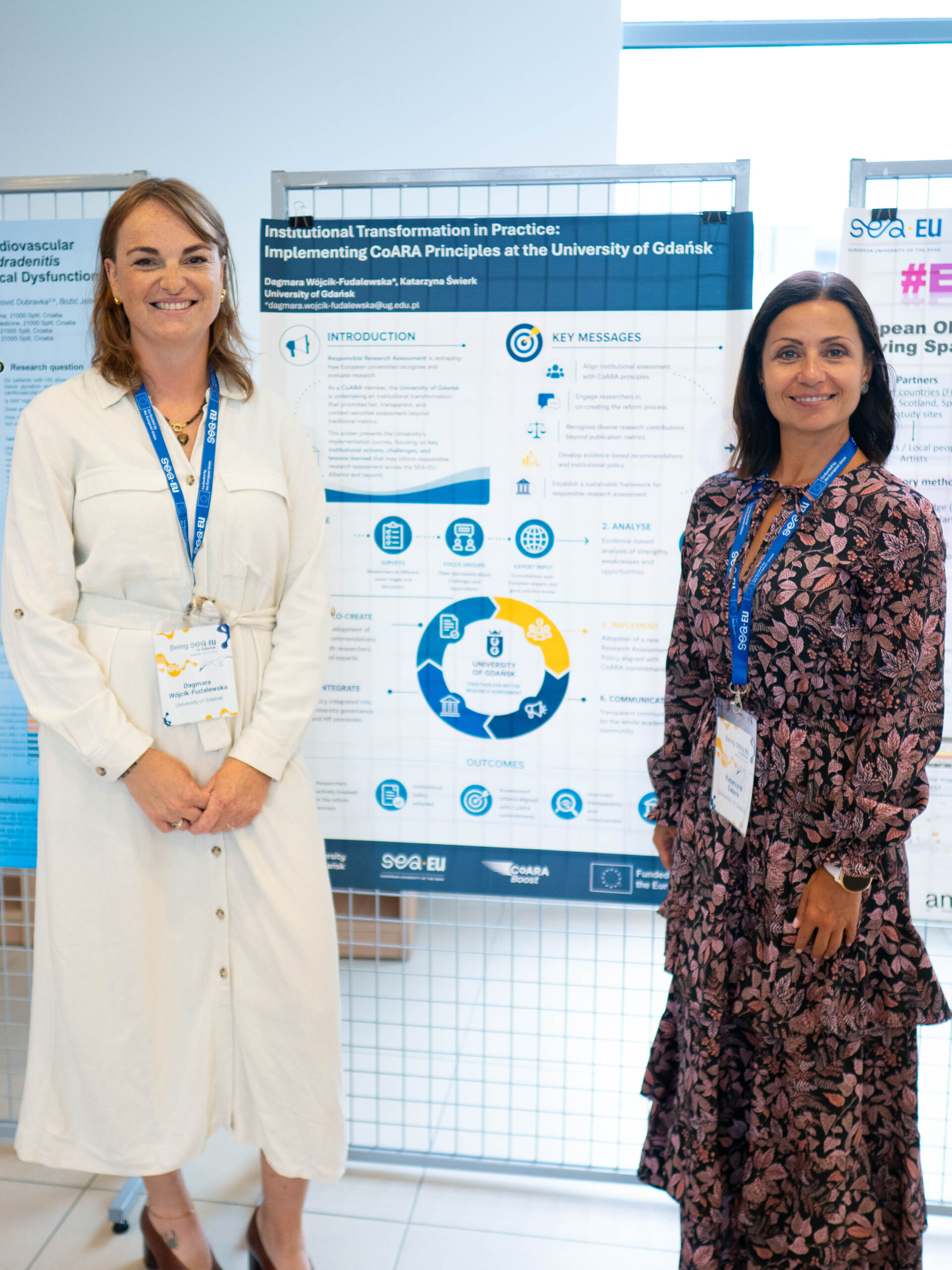
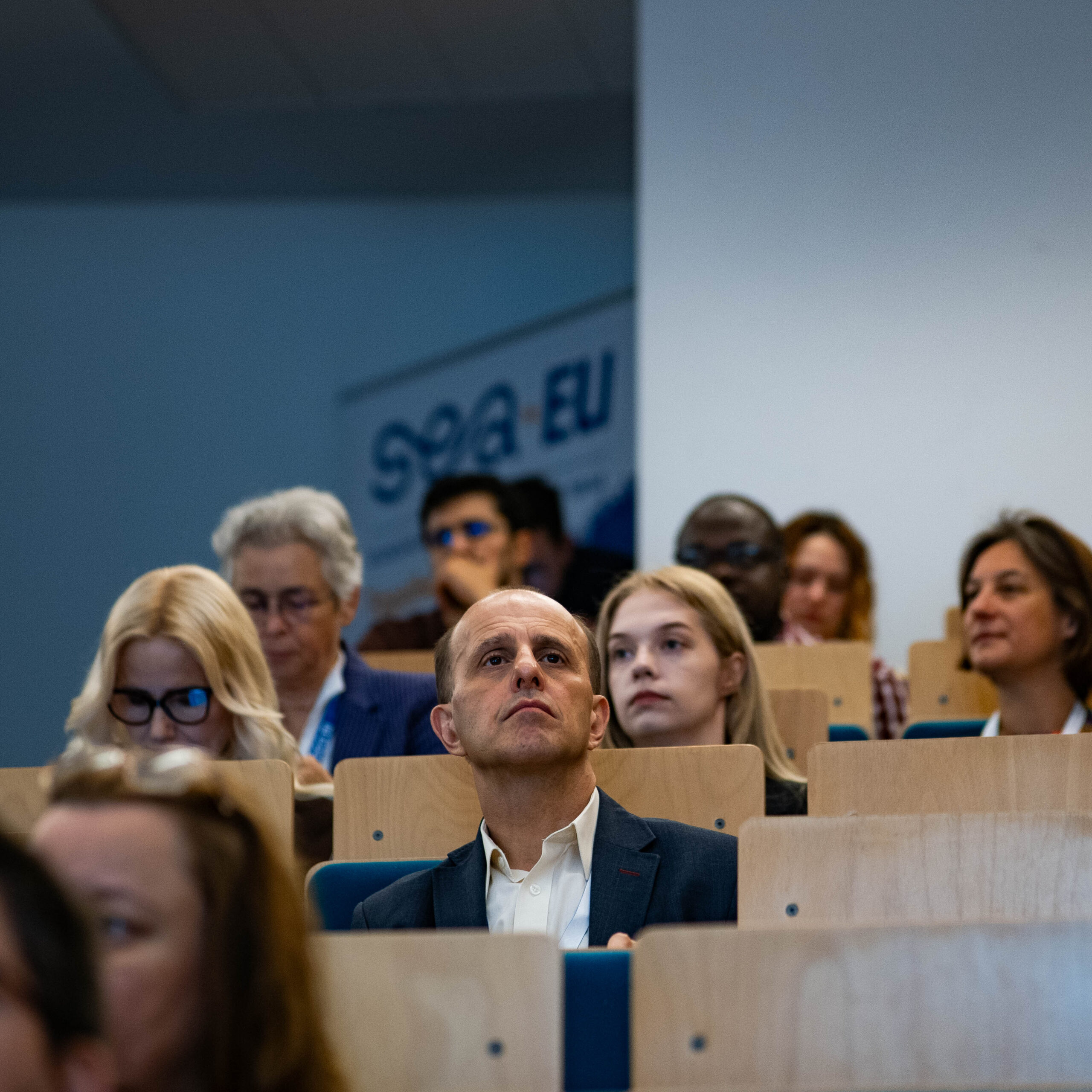
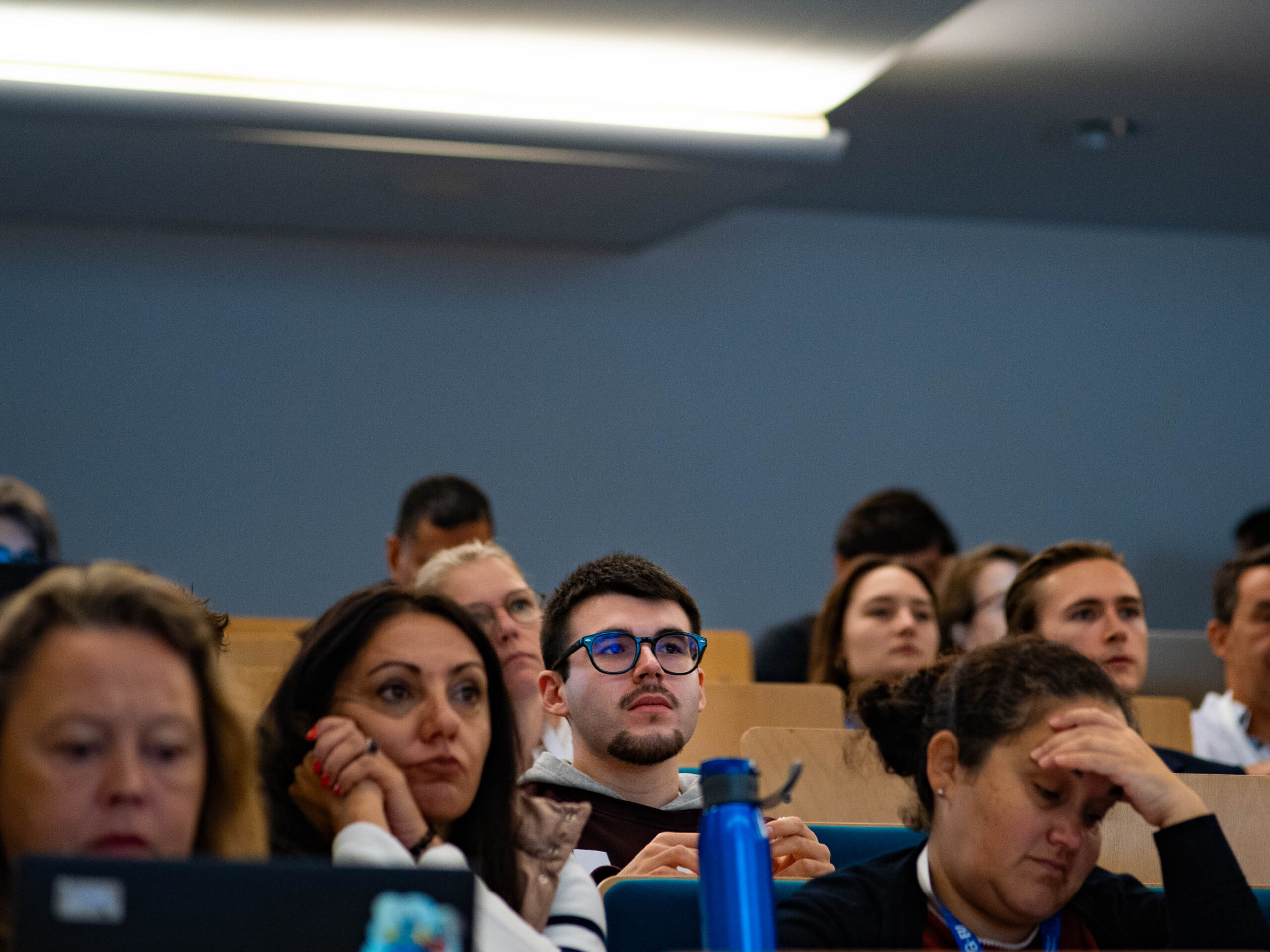
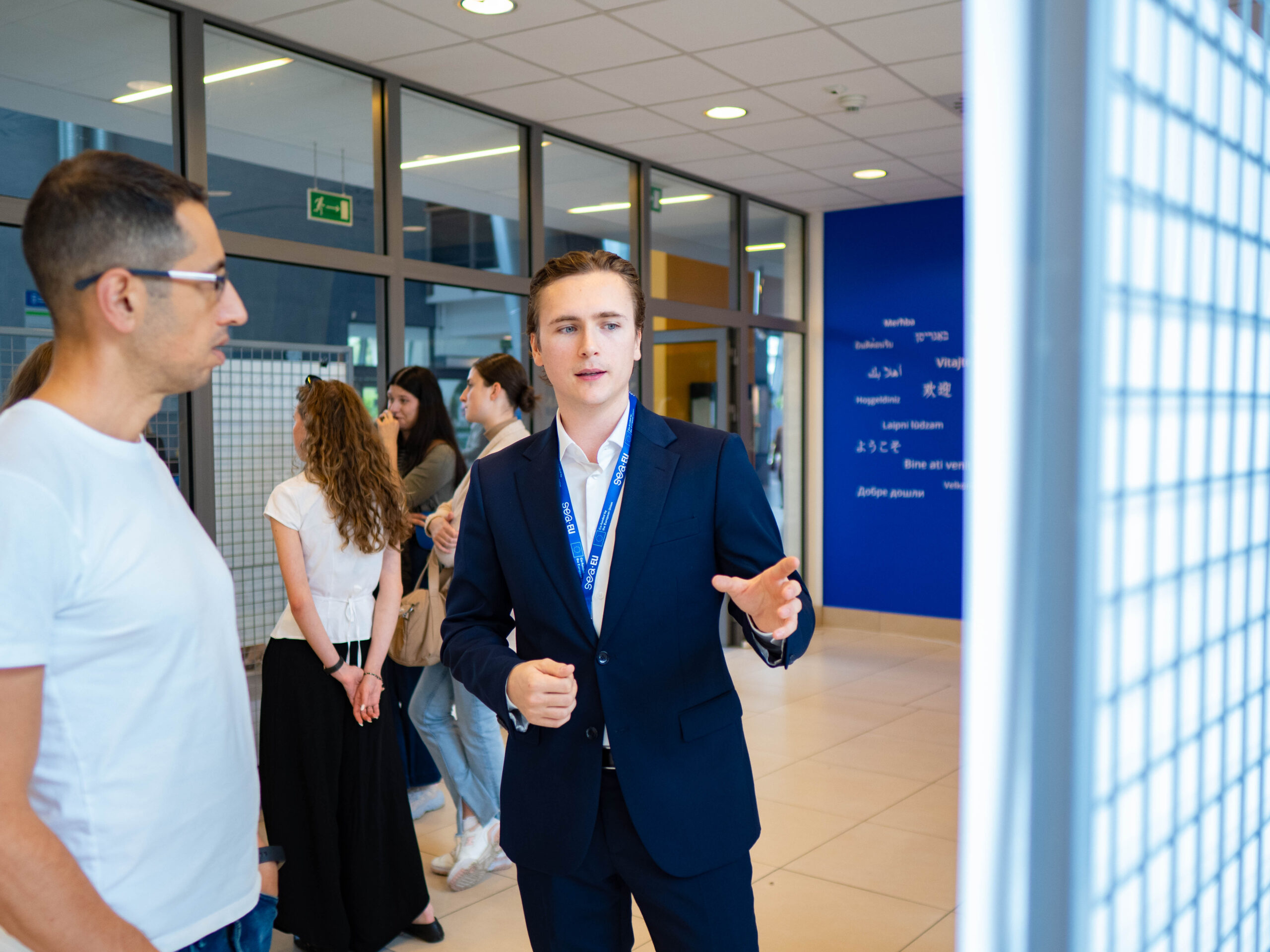
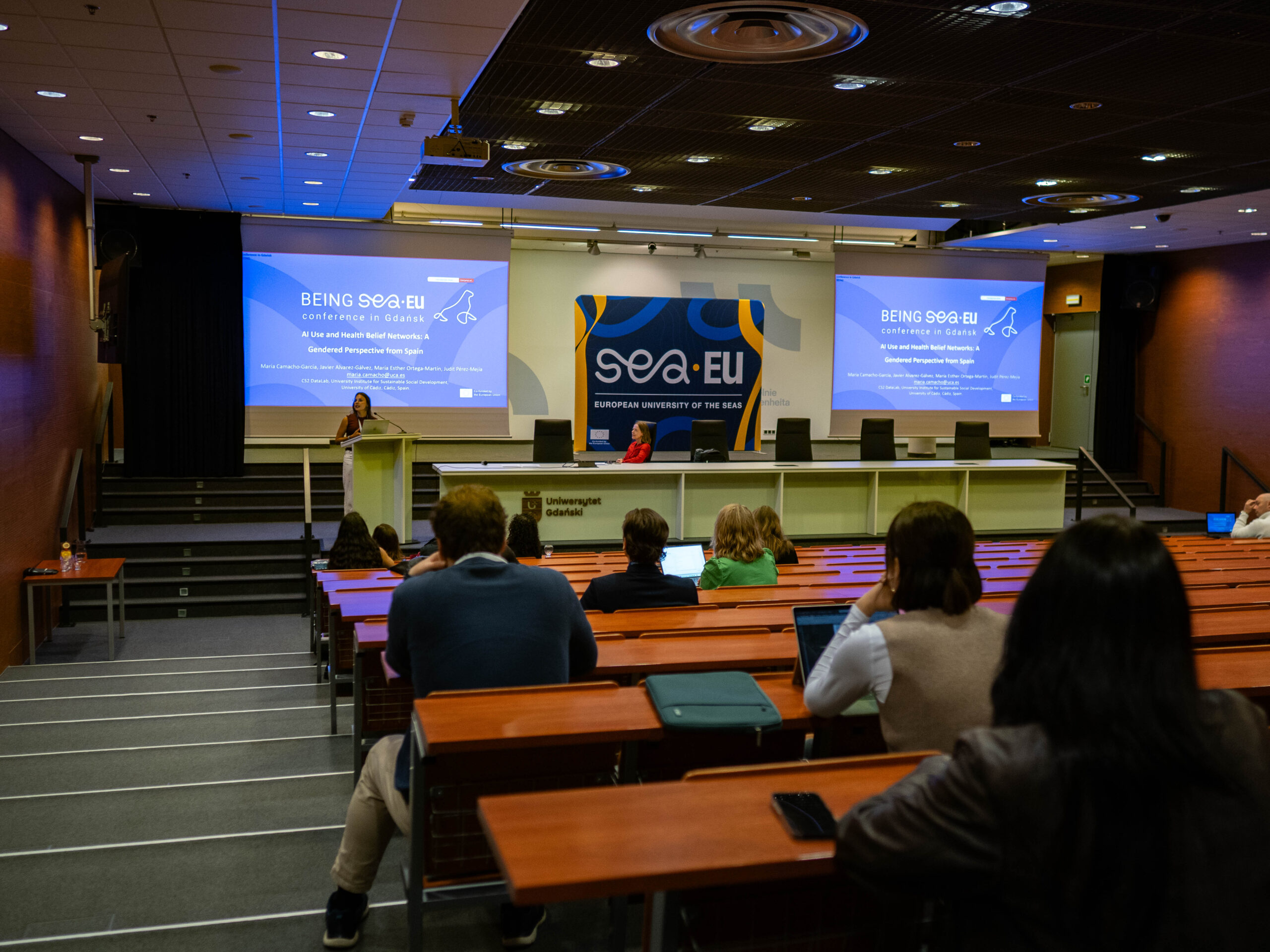
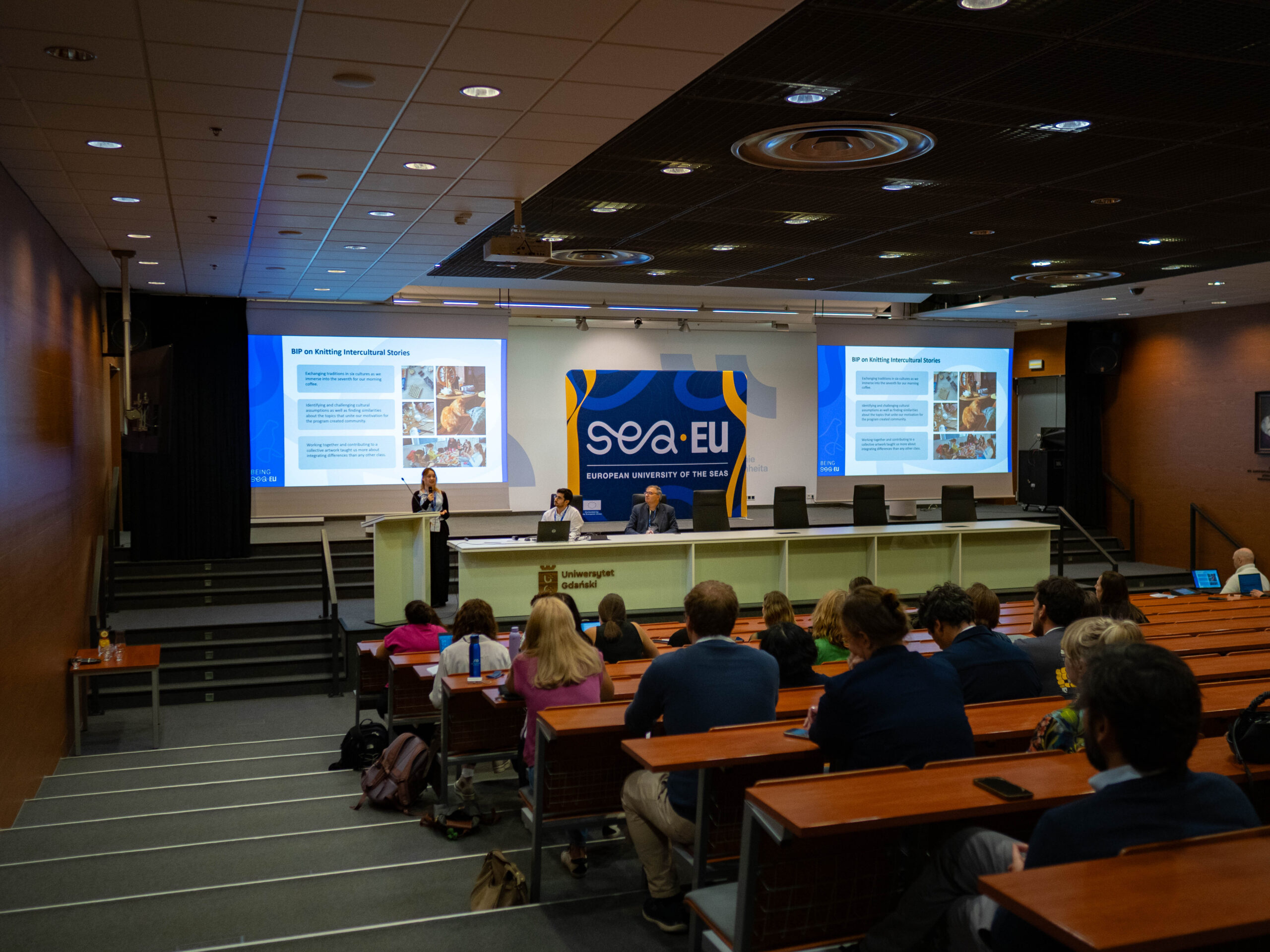
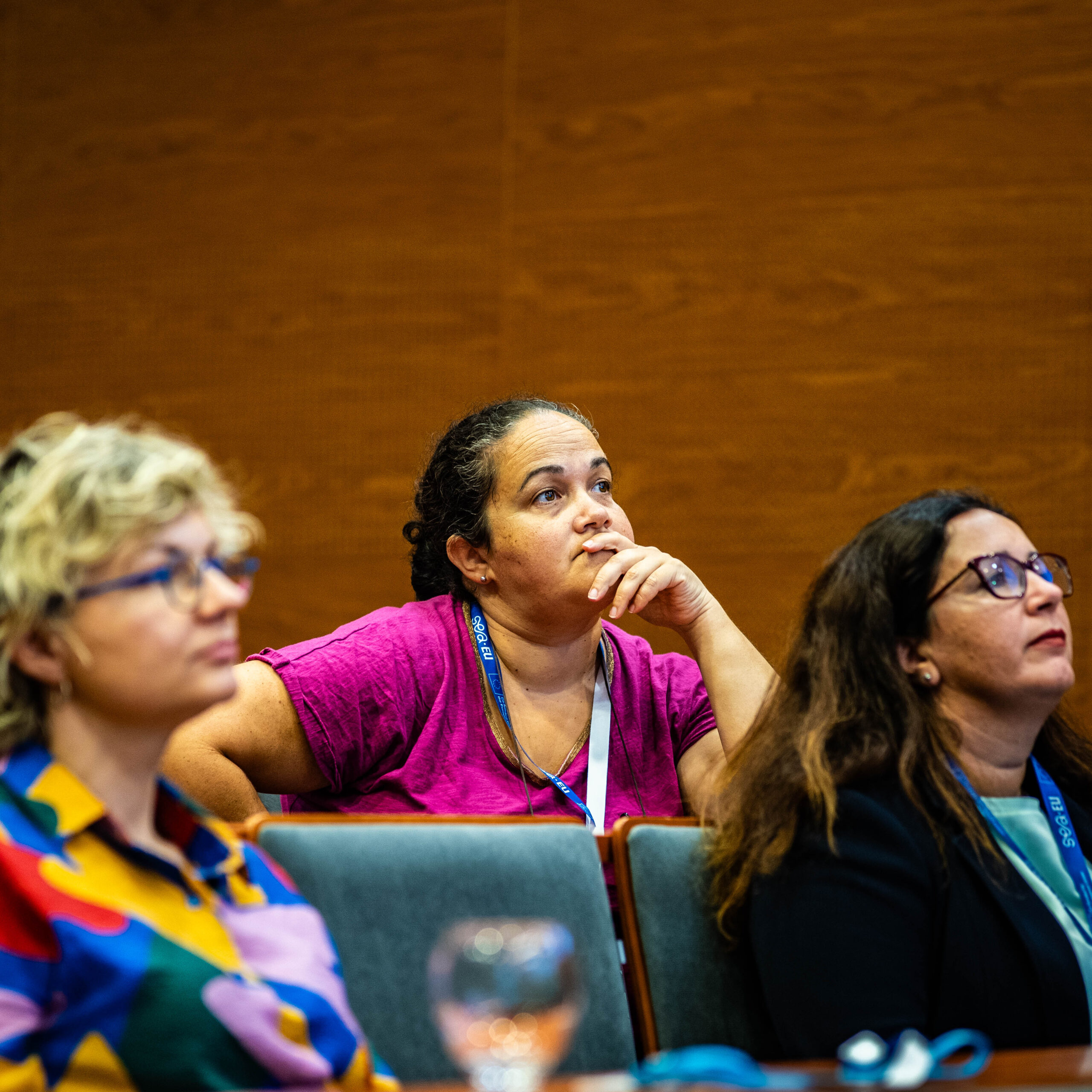
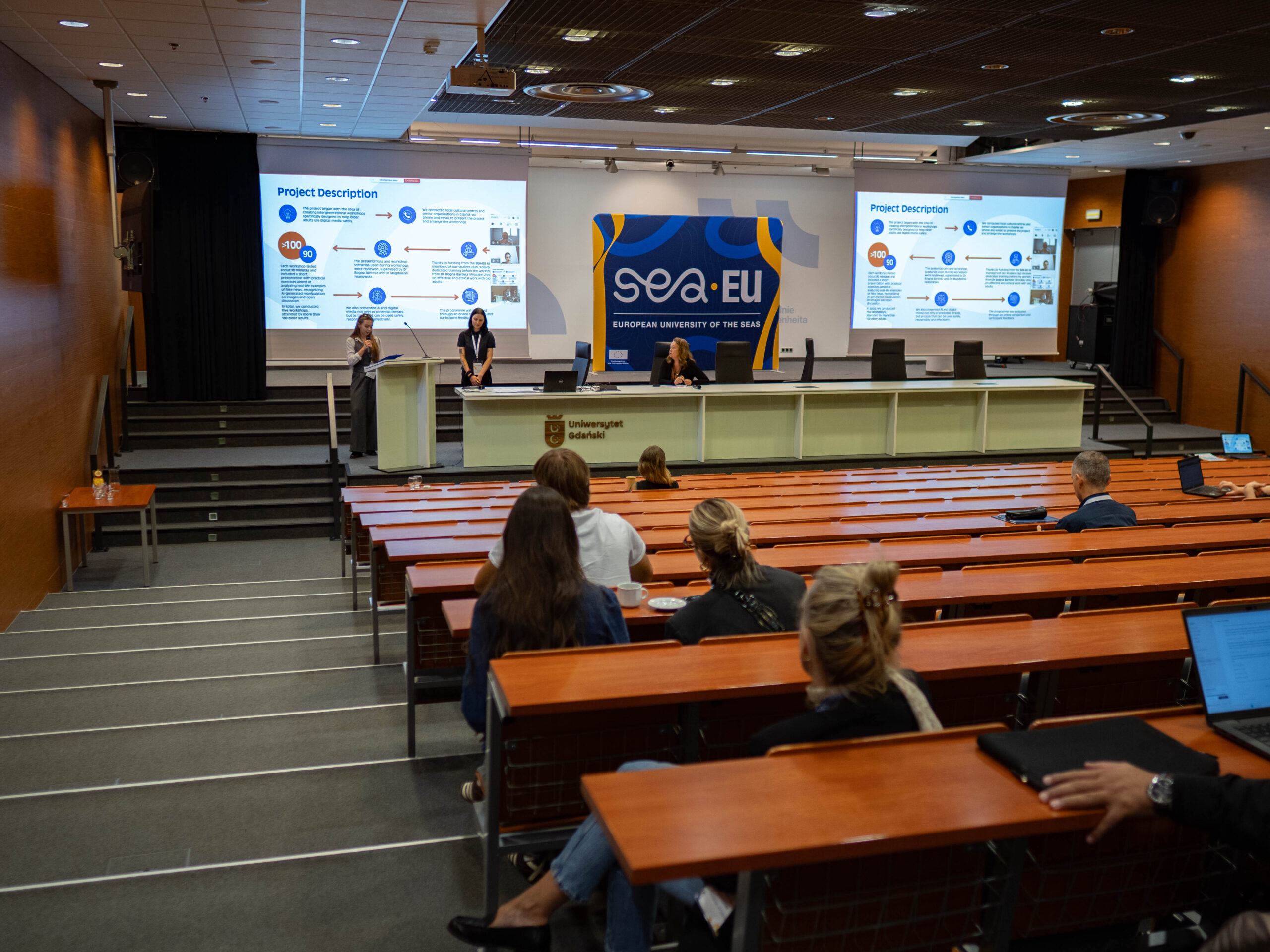
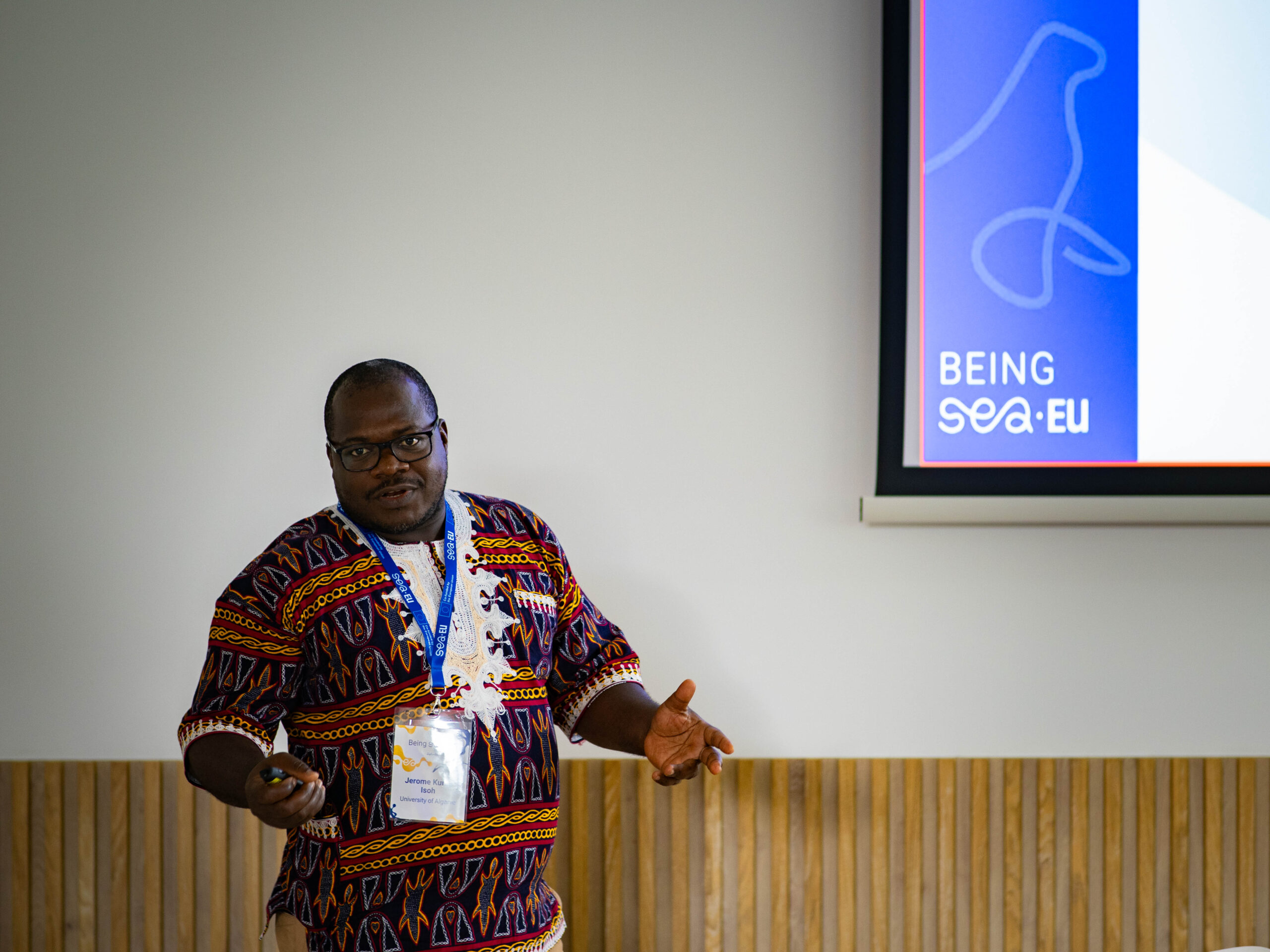
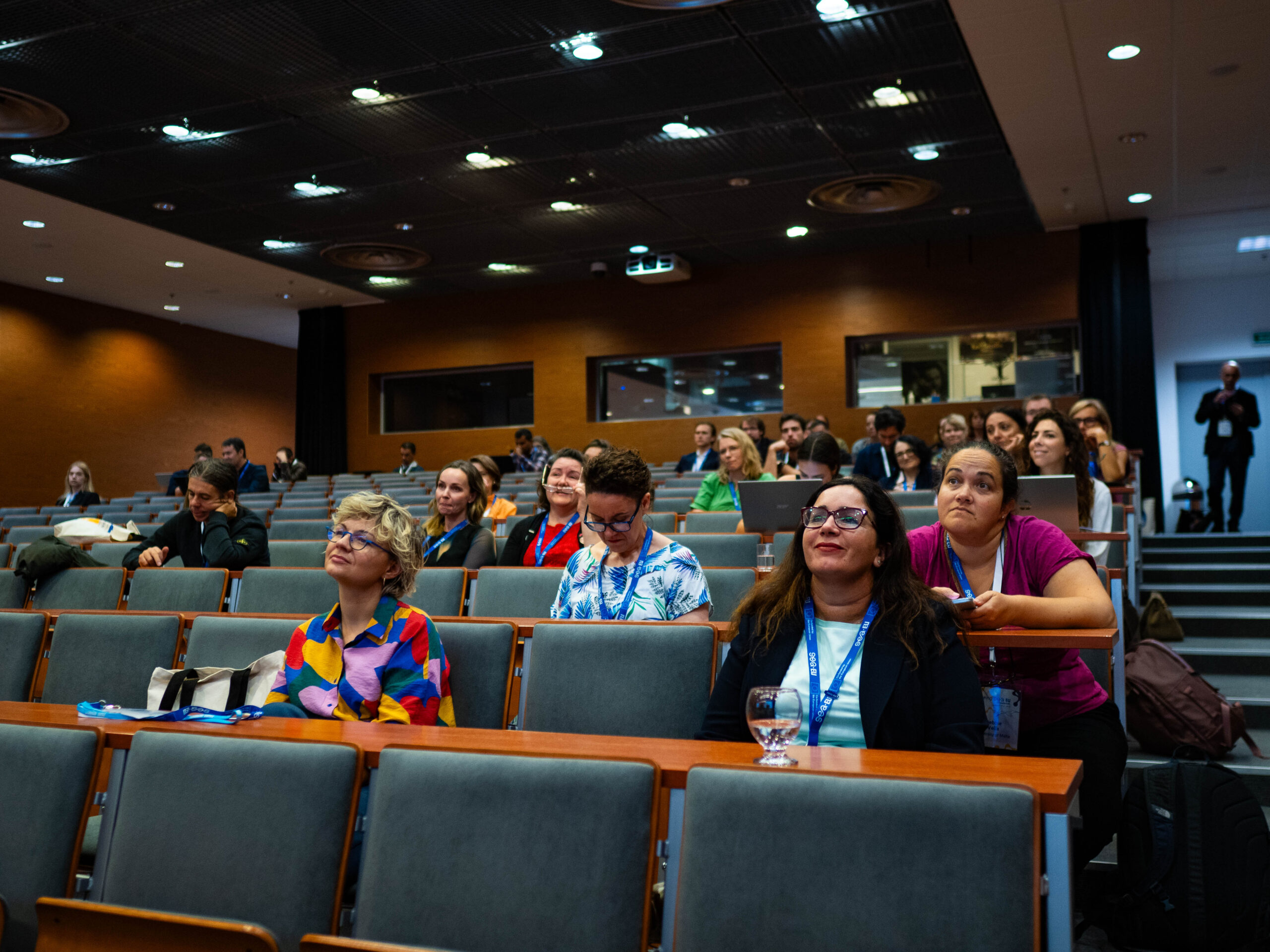
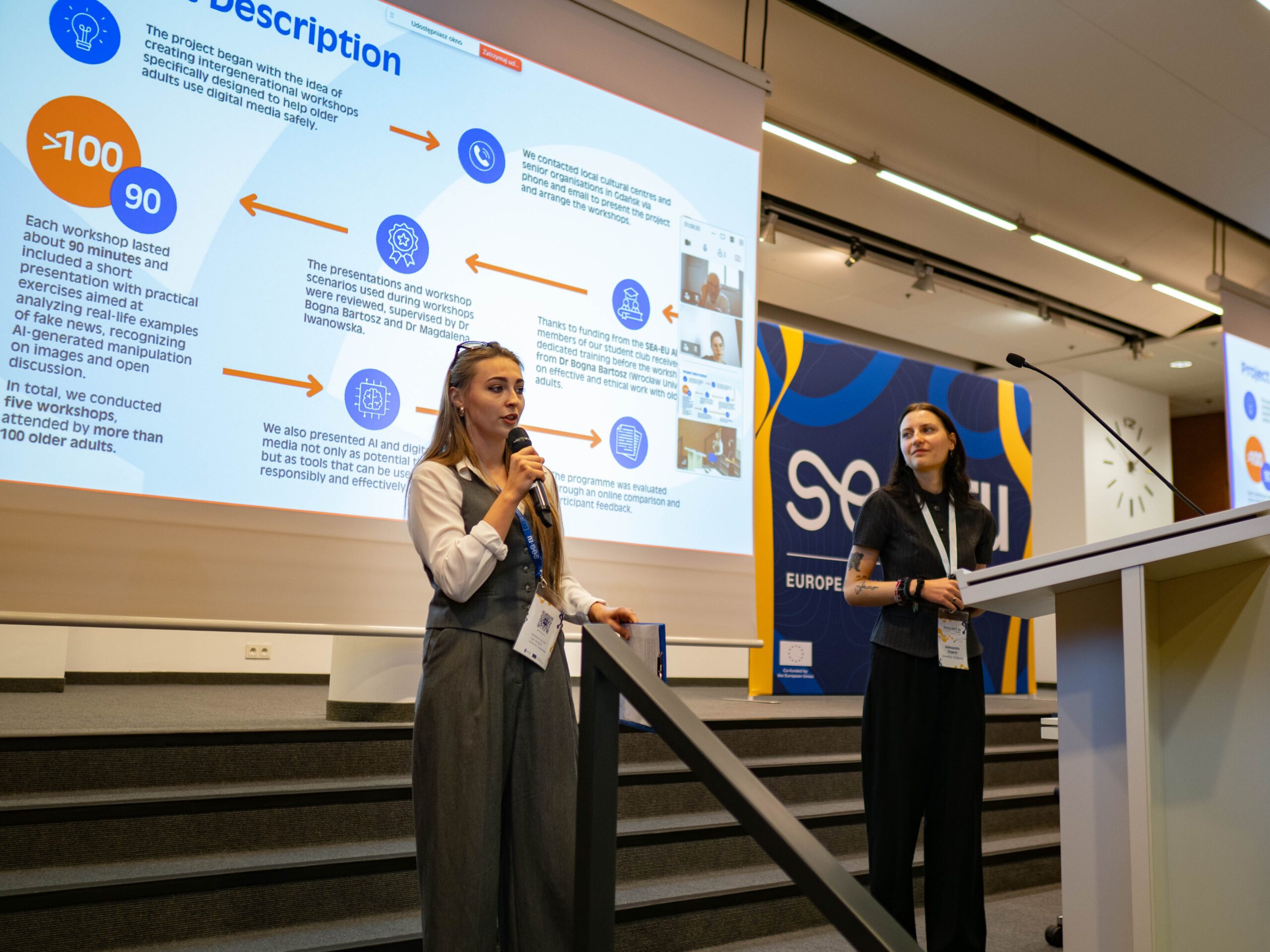
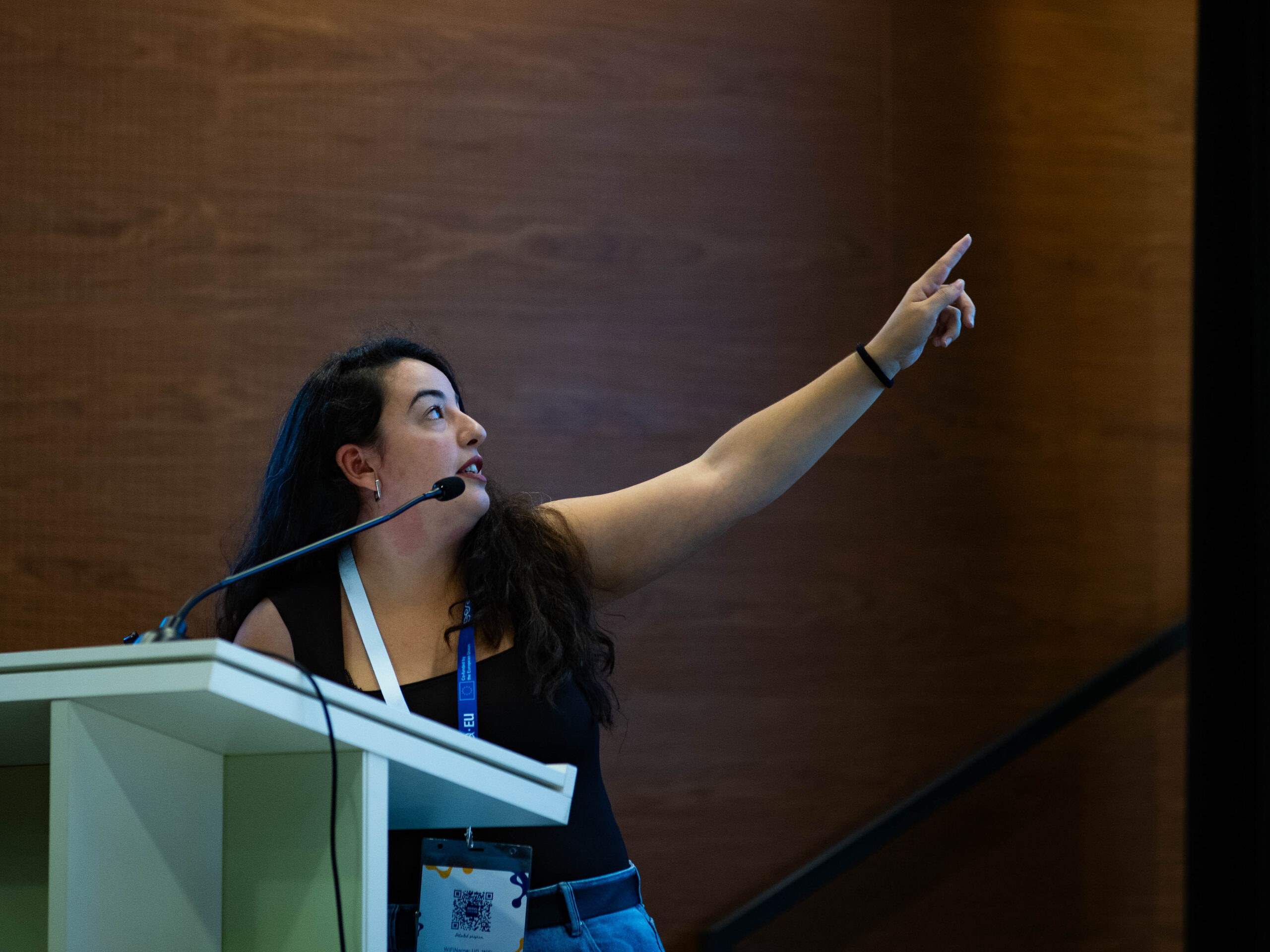
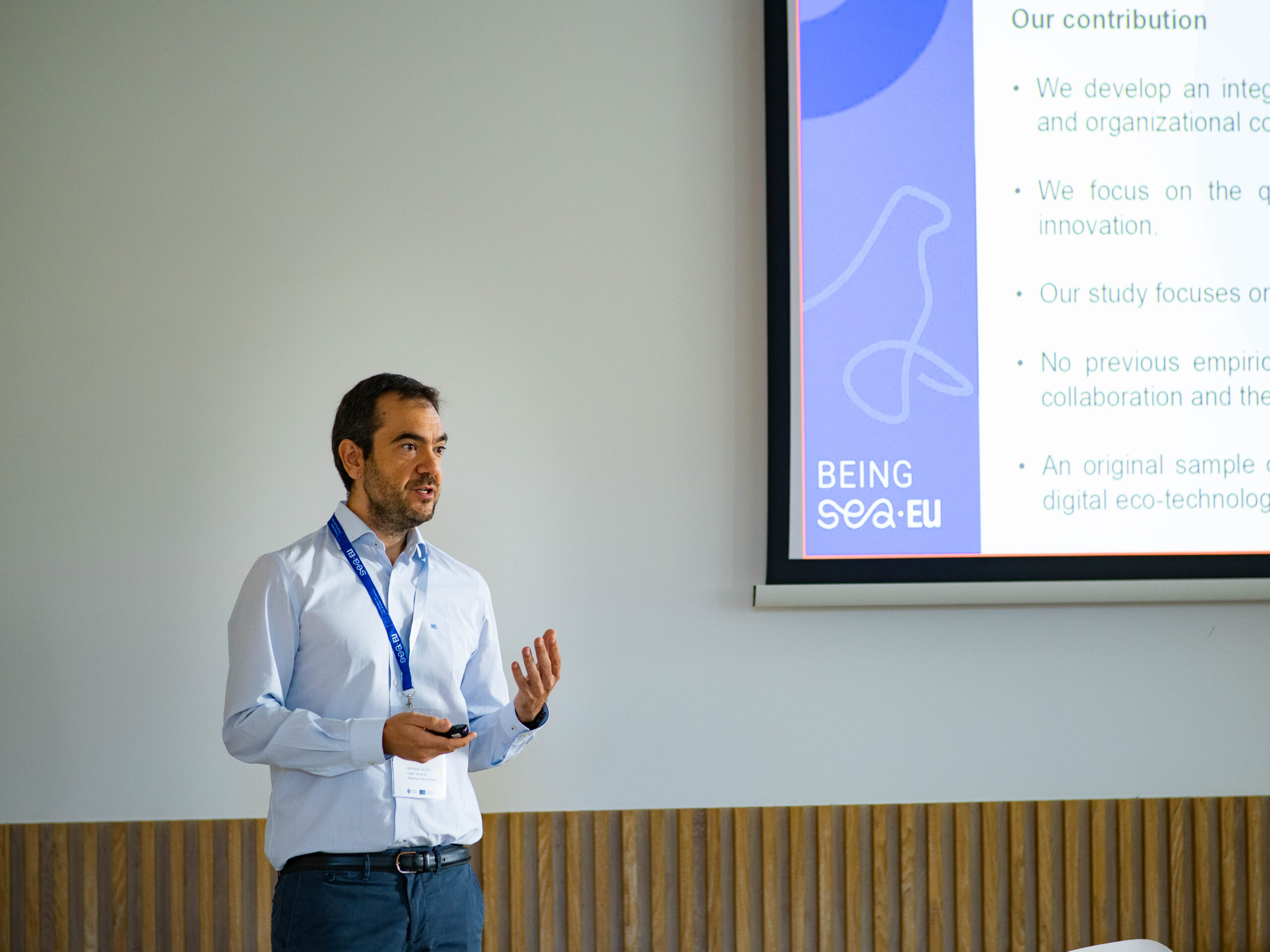
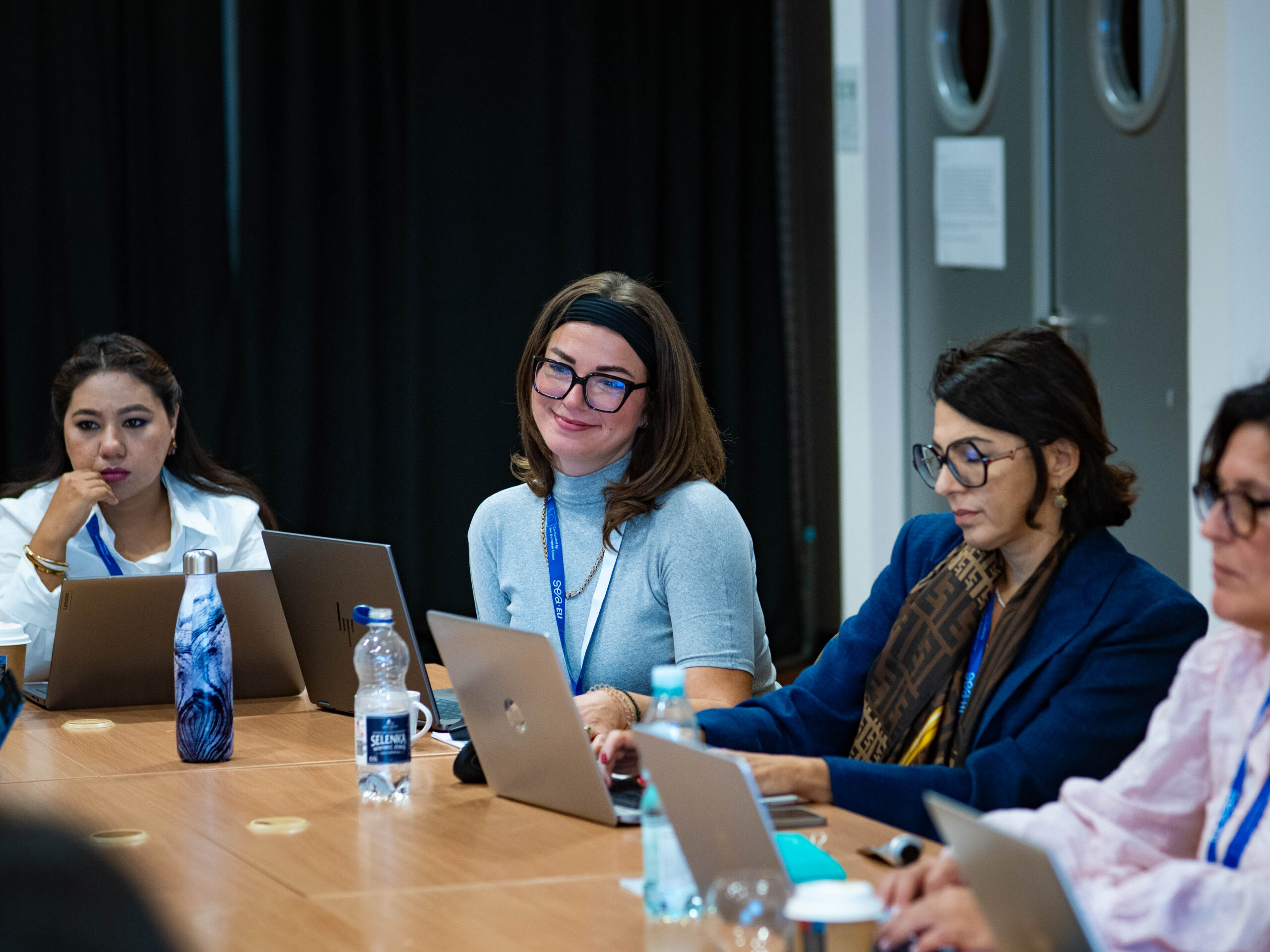
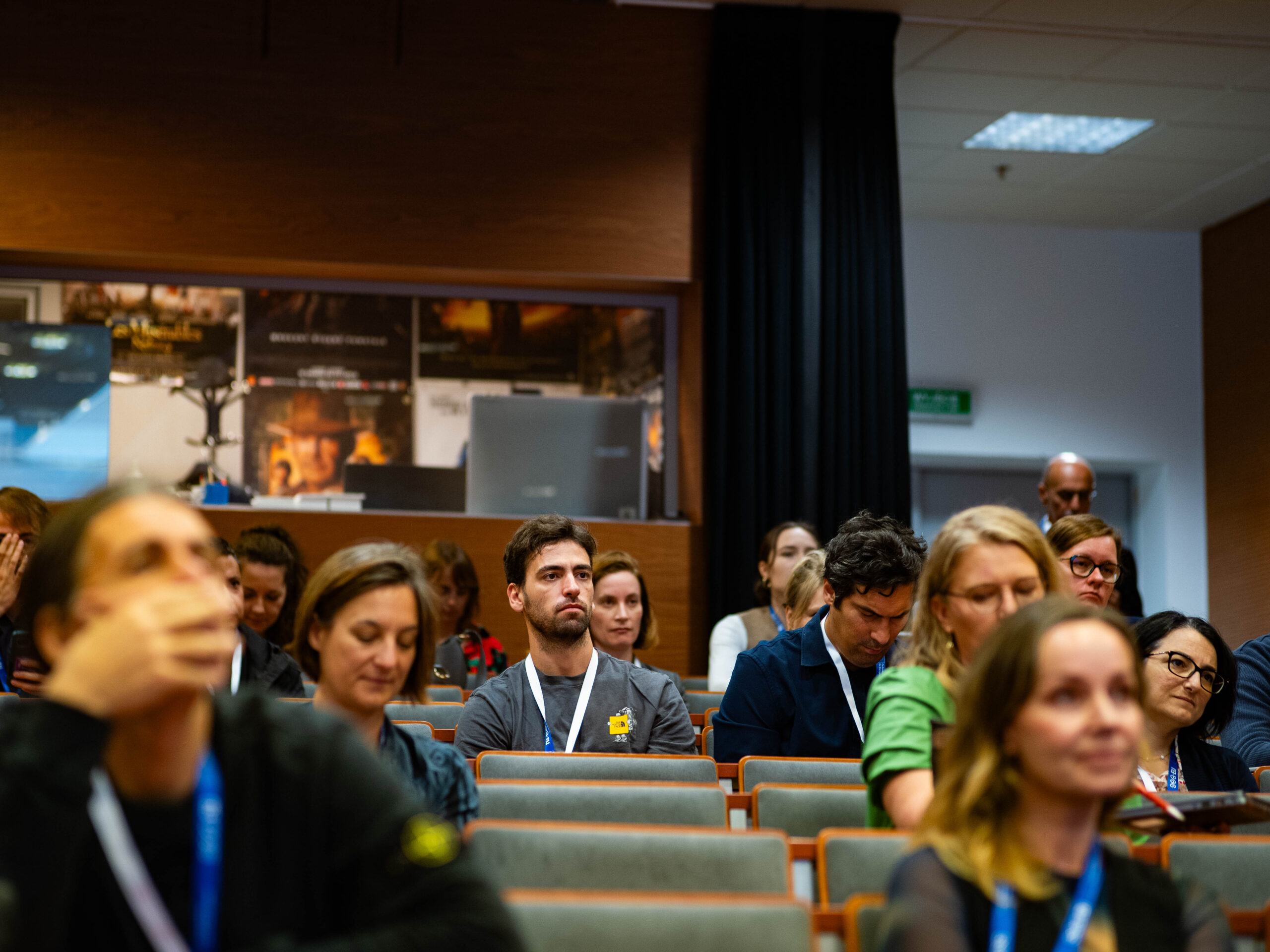
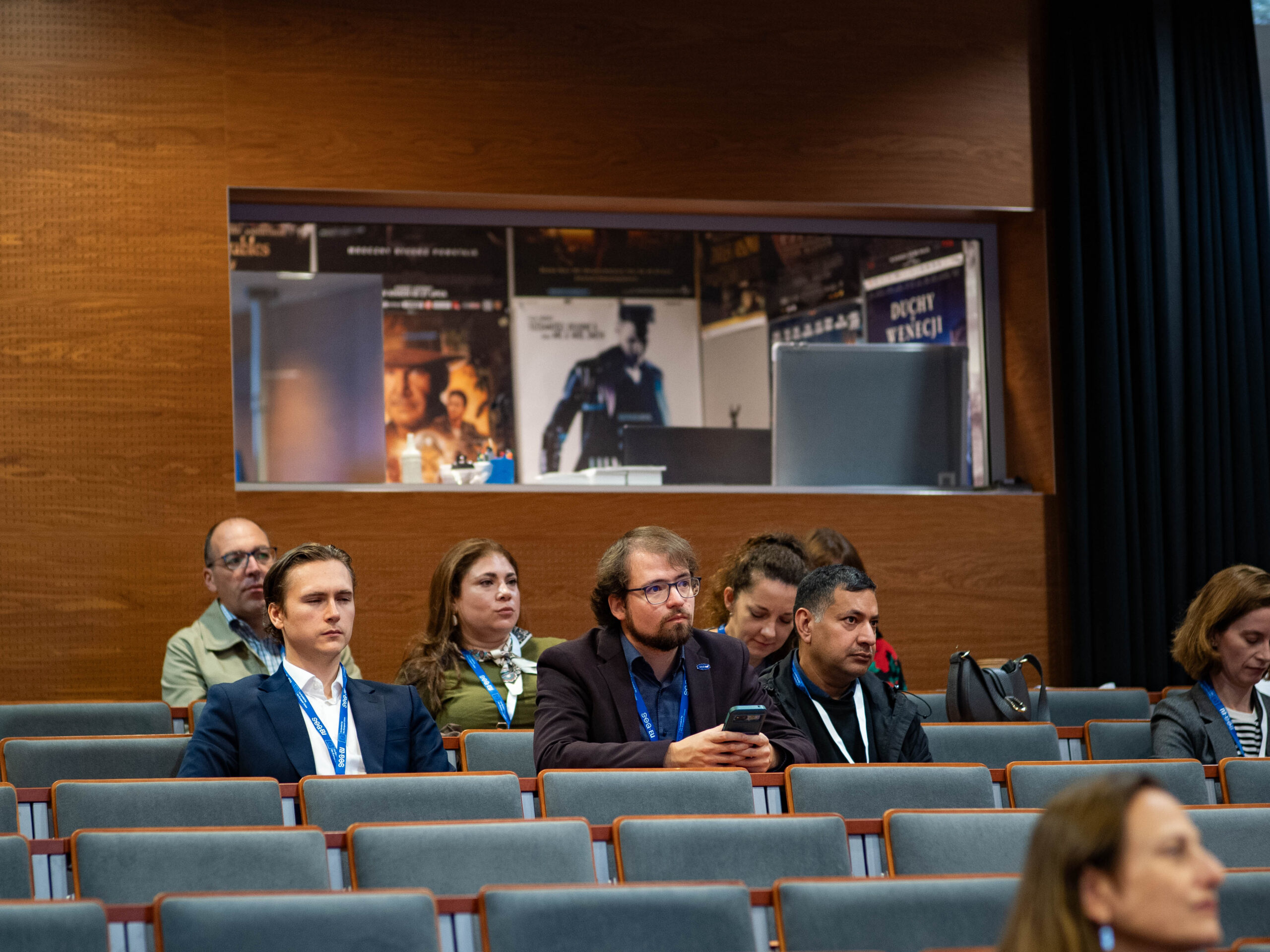
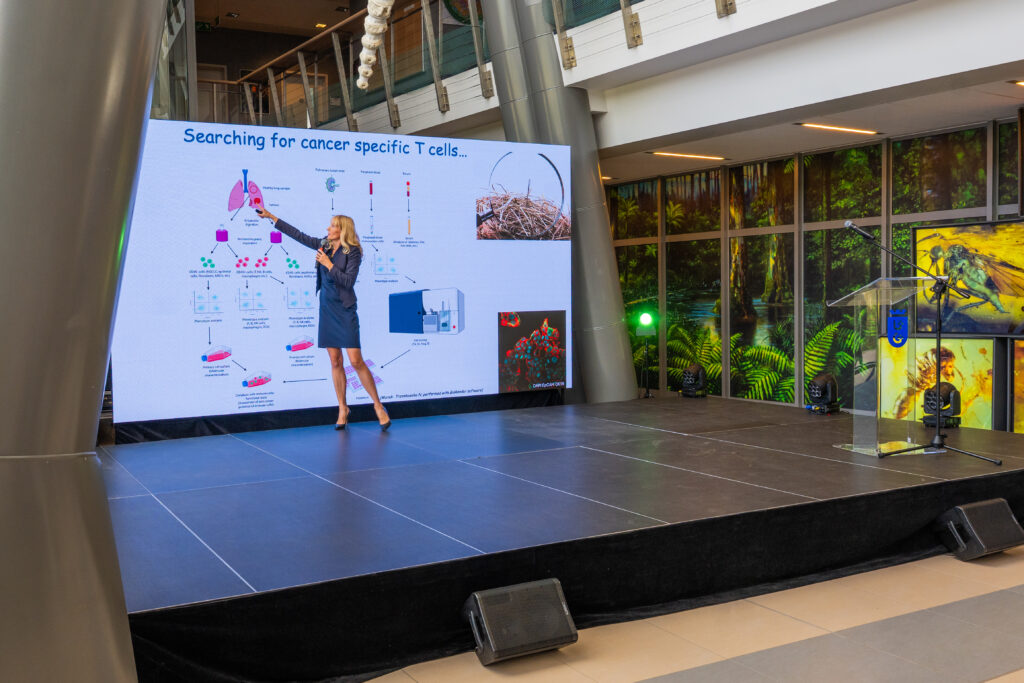
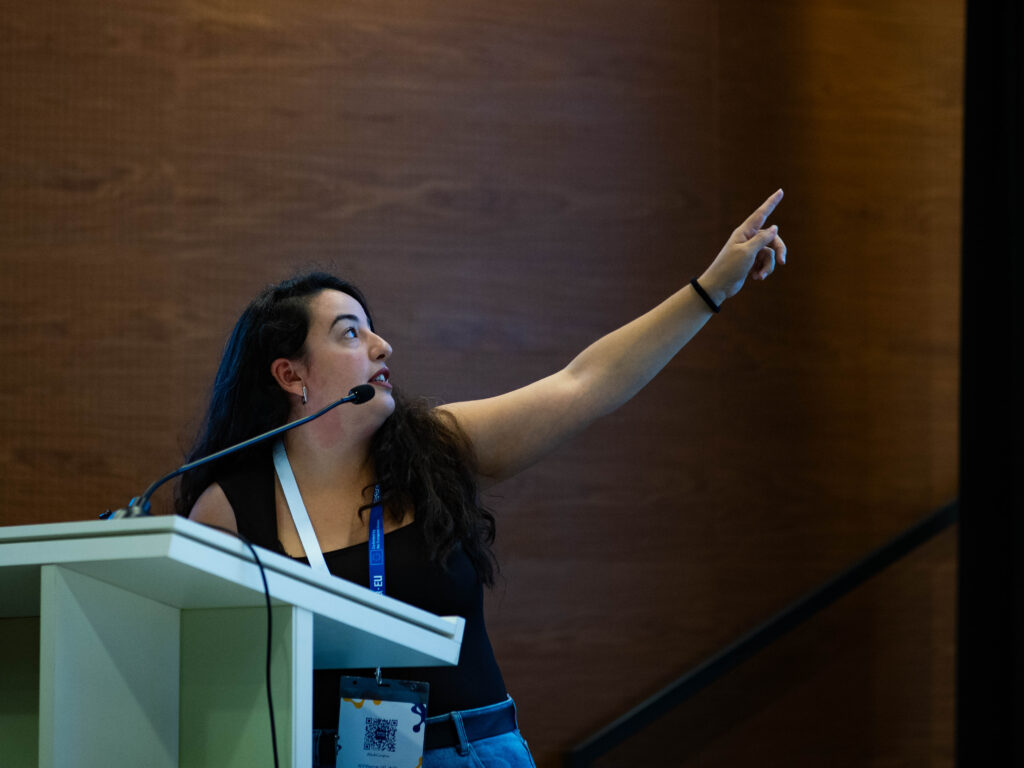
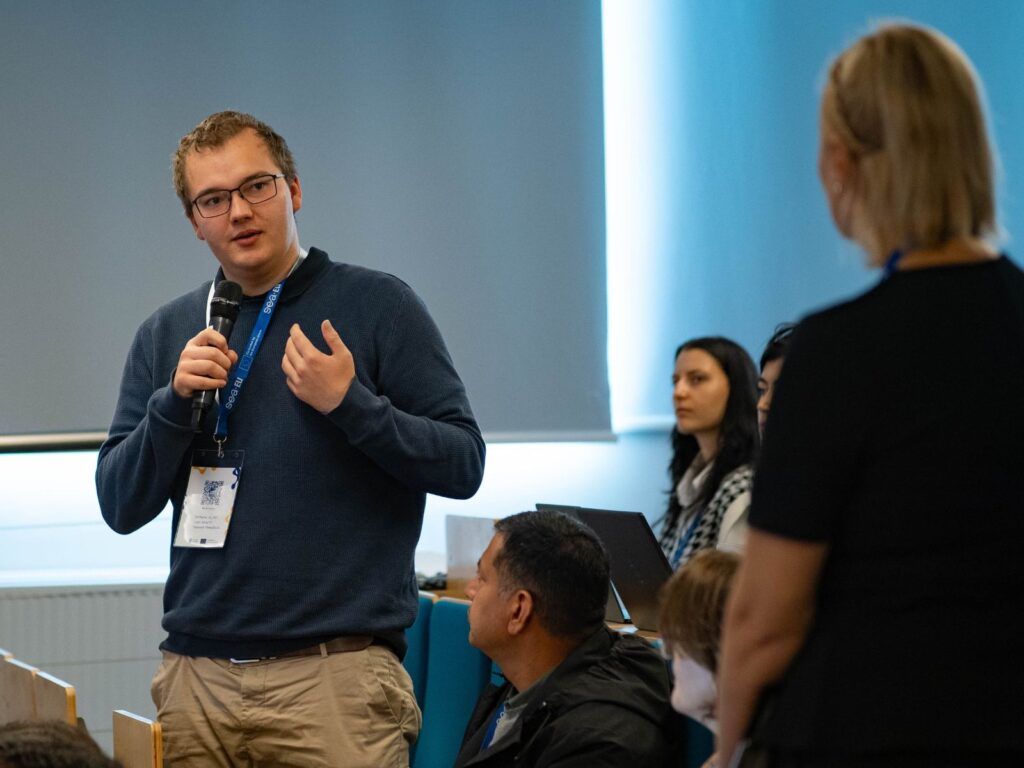
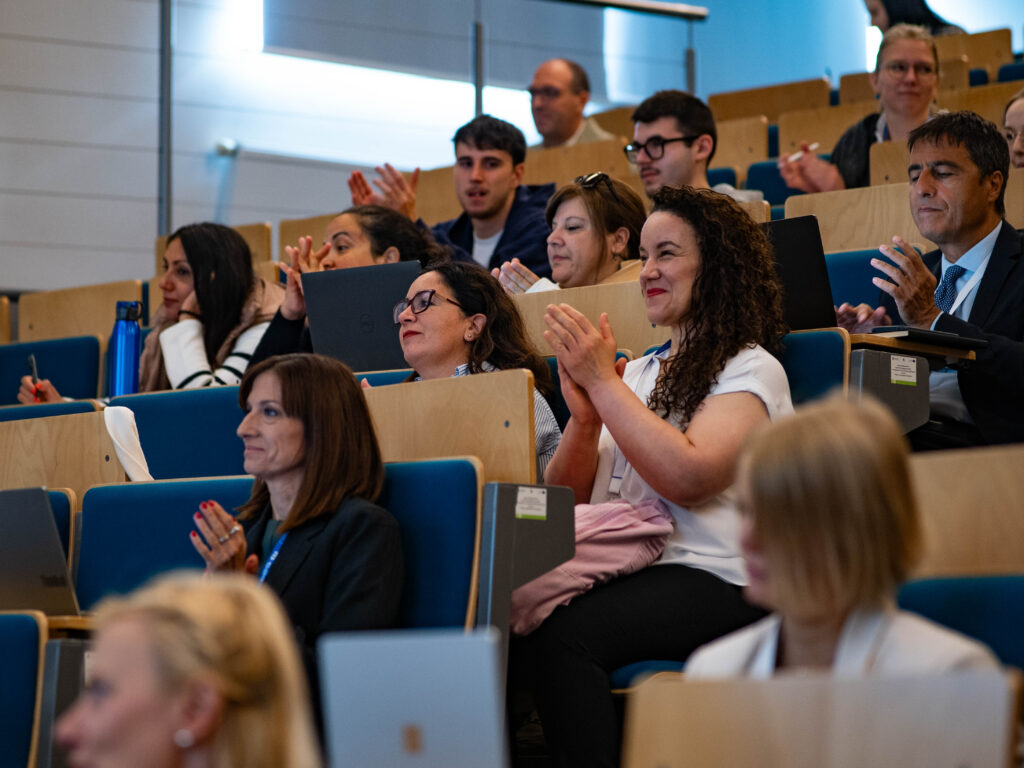
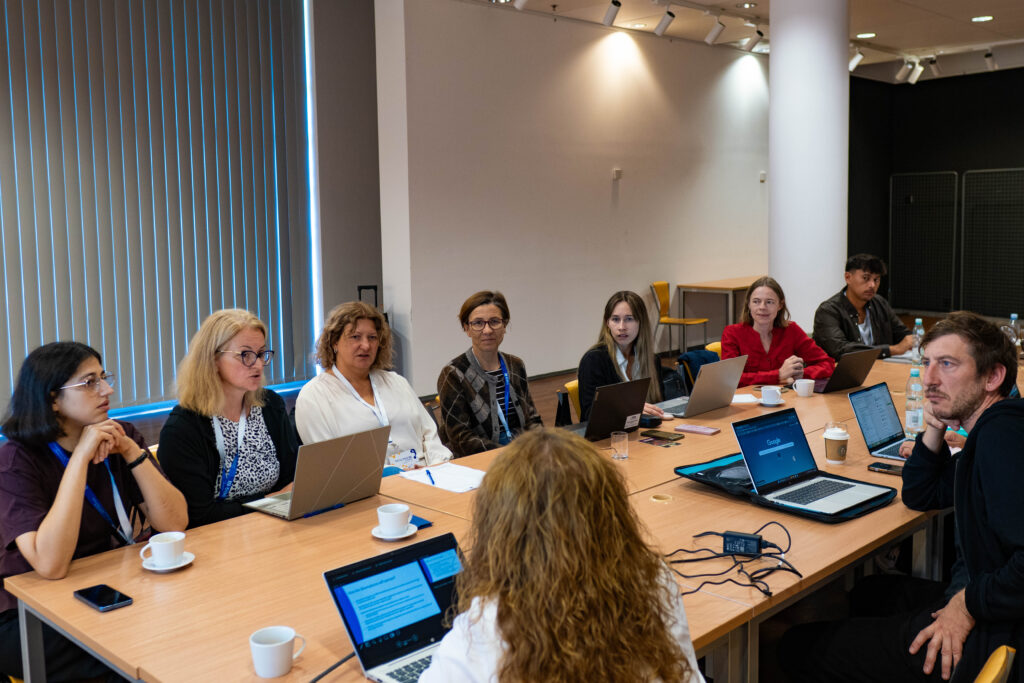
Over 100 presentations were given by members of the SEA-EU community universities across 22 panel sessions. The participants shared their stories of getting involved with SEA-EU, presented their research results, and exchanged best practices. All abstracts aligned with the conference’s four thematic pillars:
- European Classroom
- Institutional Transformation
- United in Research
- Sustainability & European Goals
Unlike previous editions, the third Being SEA-EU conference invited not only research-focused abstracts, but also SEA-EU-centered presentations. Thanks to this approach, the conference became a space to discuss key topics for the alliance, such as Joint Programmes, faculty internationalisation, and the Mobility Credit Transfer and Accumulation System (MCTS).
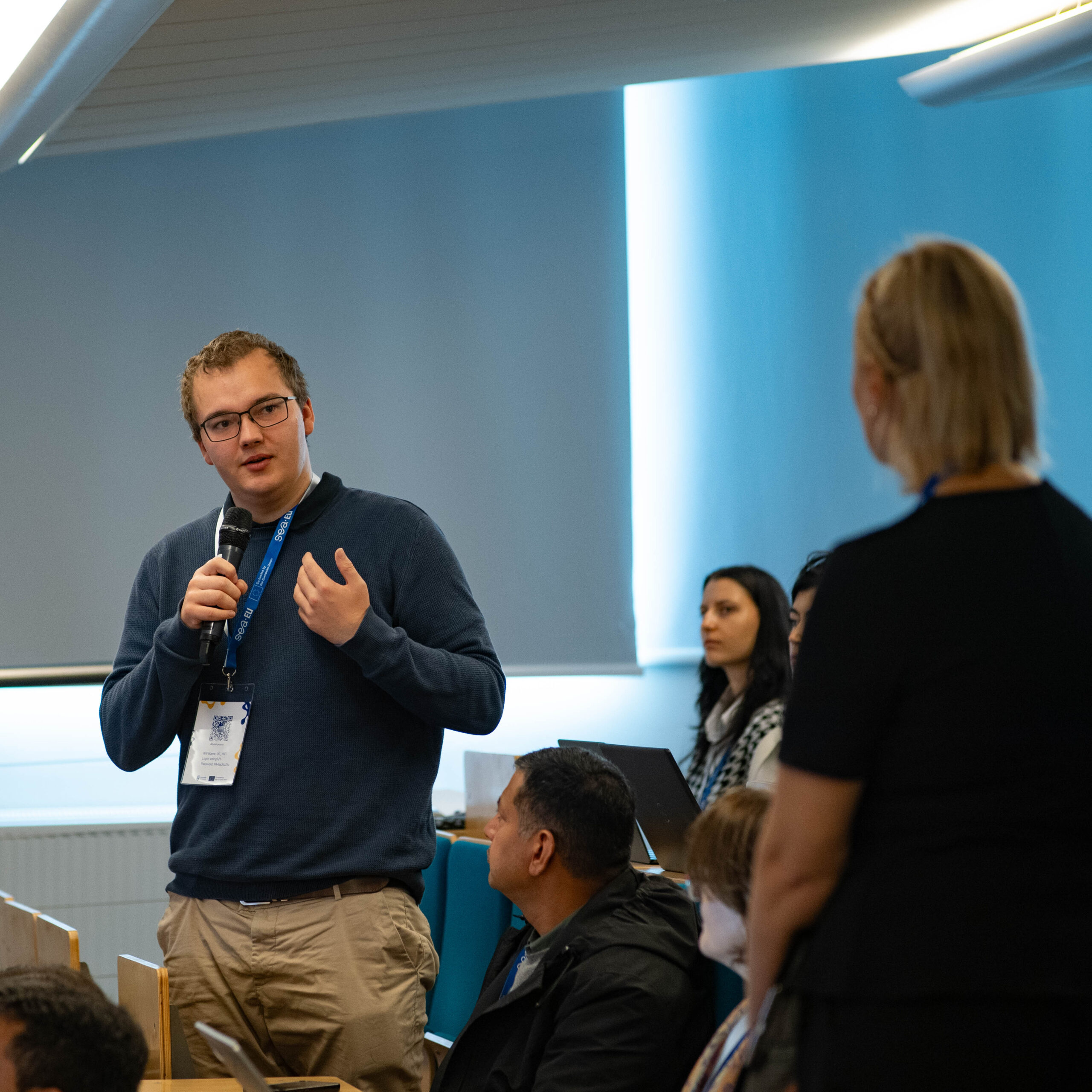
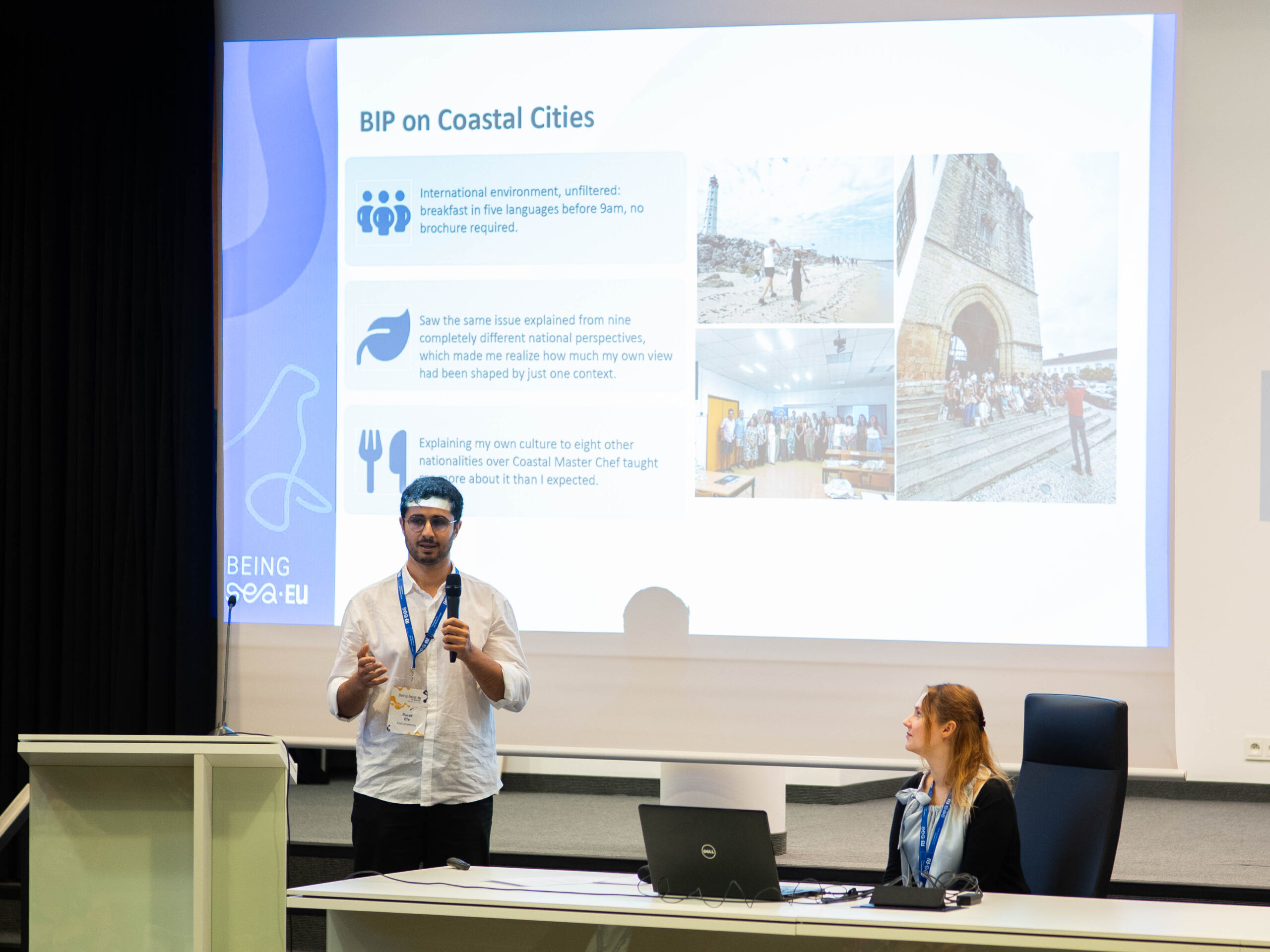
Moreover, participants in SEA-EU initiatives were able to voice their perspectives and showcase the impact these opportunities had on them. Students presented their experiences with BIPs, academics discussed the co-teaching method in SeaBluE, and Staff Week participants demonstrated the long-lasting impact of the event. In an anonymous survey, participants pointed to this multidisciplinary, multi-perspective atmosphere as one of the greatest highlights of the event.
Empowered by gender equality initiatives
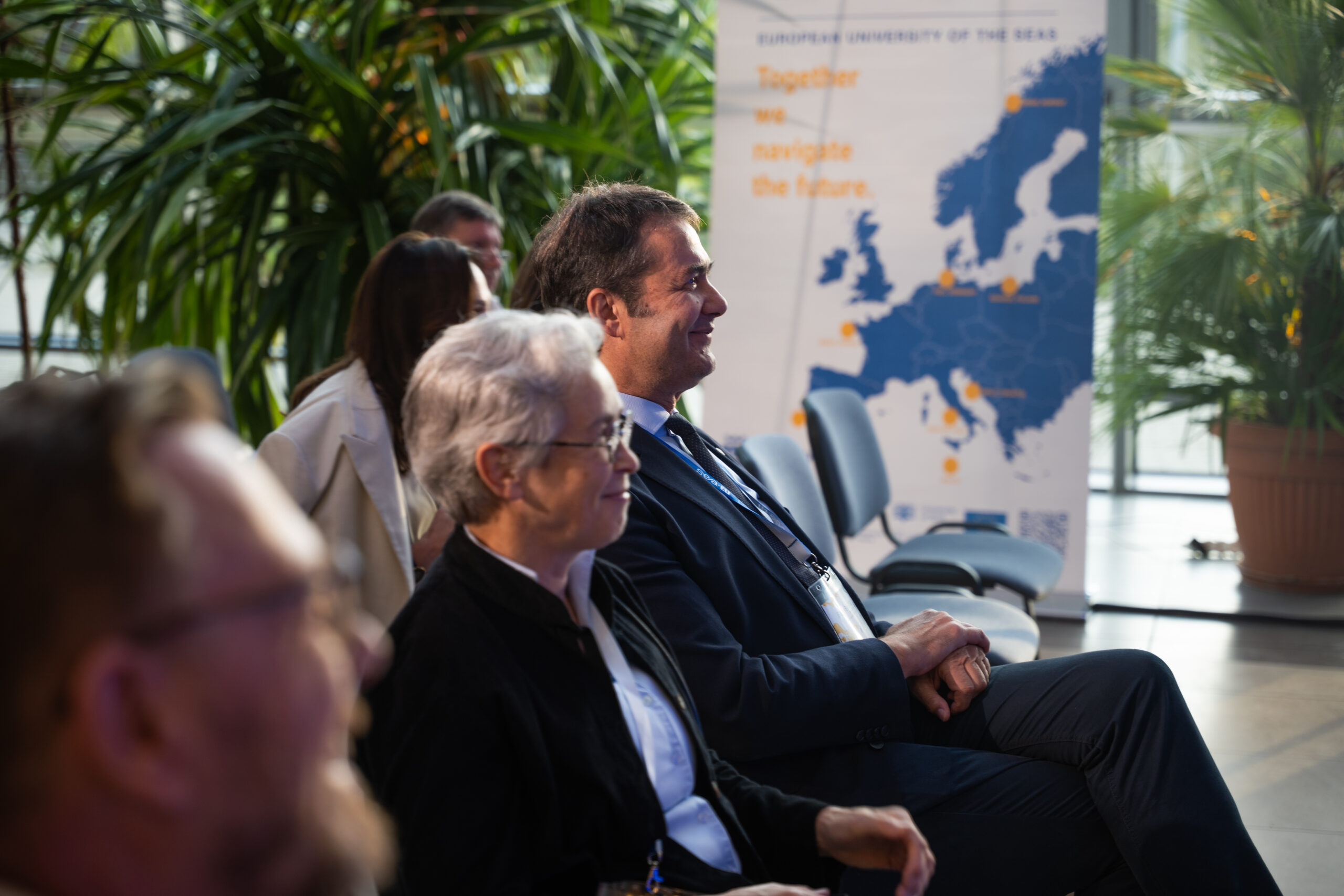
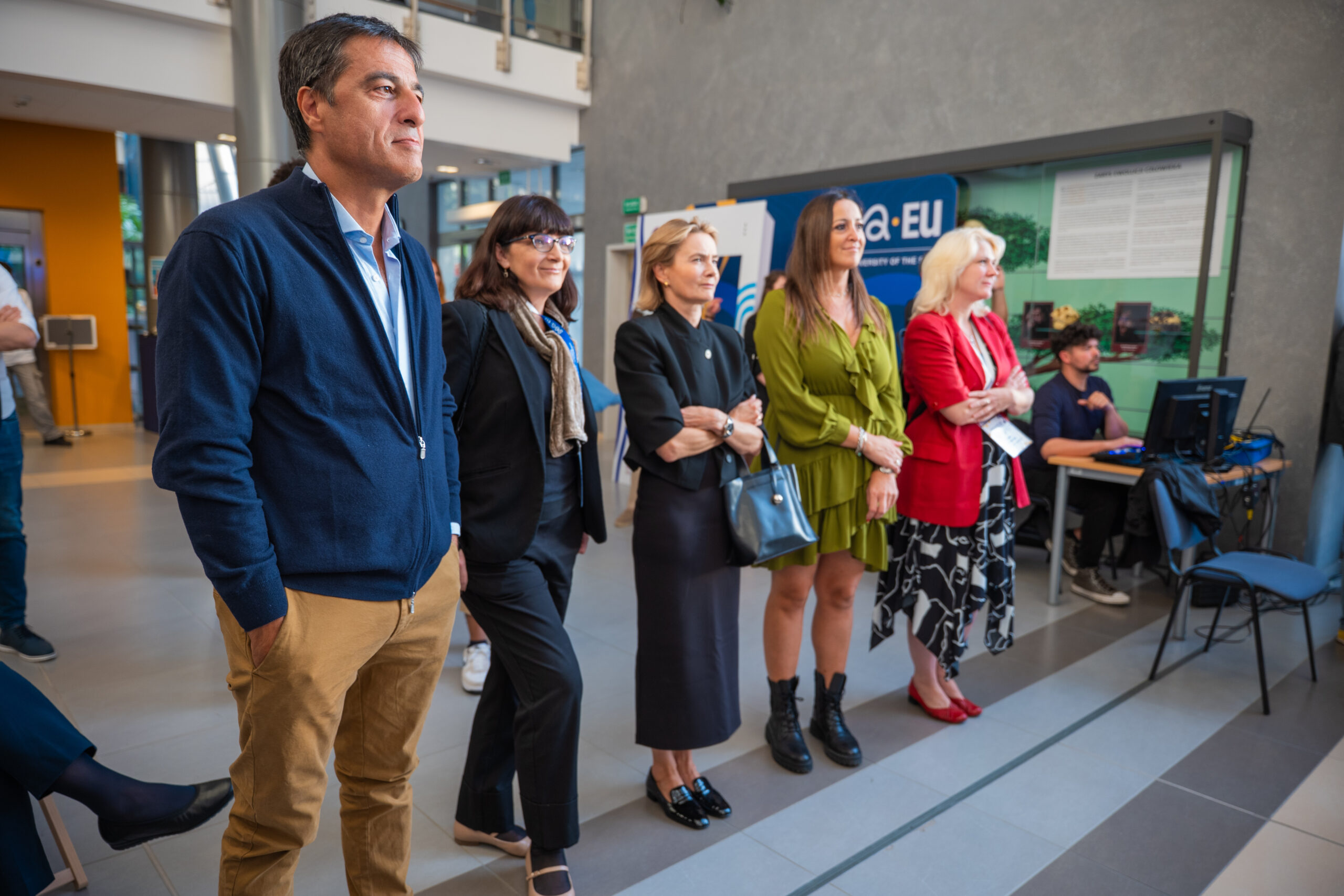
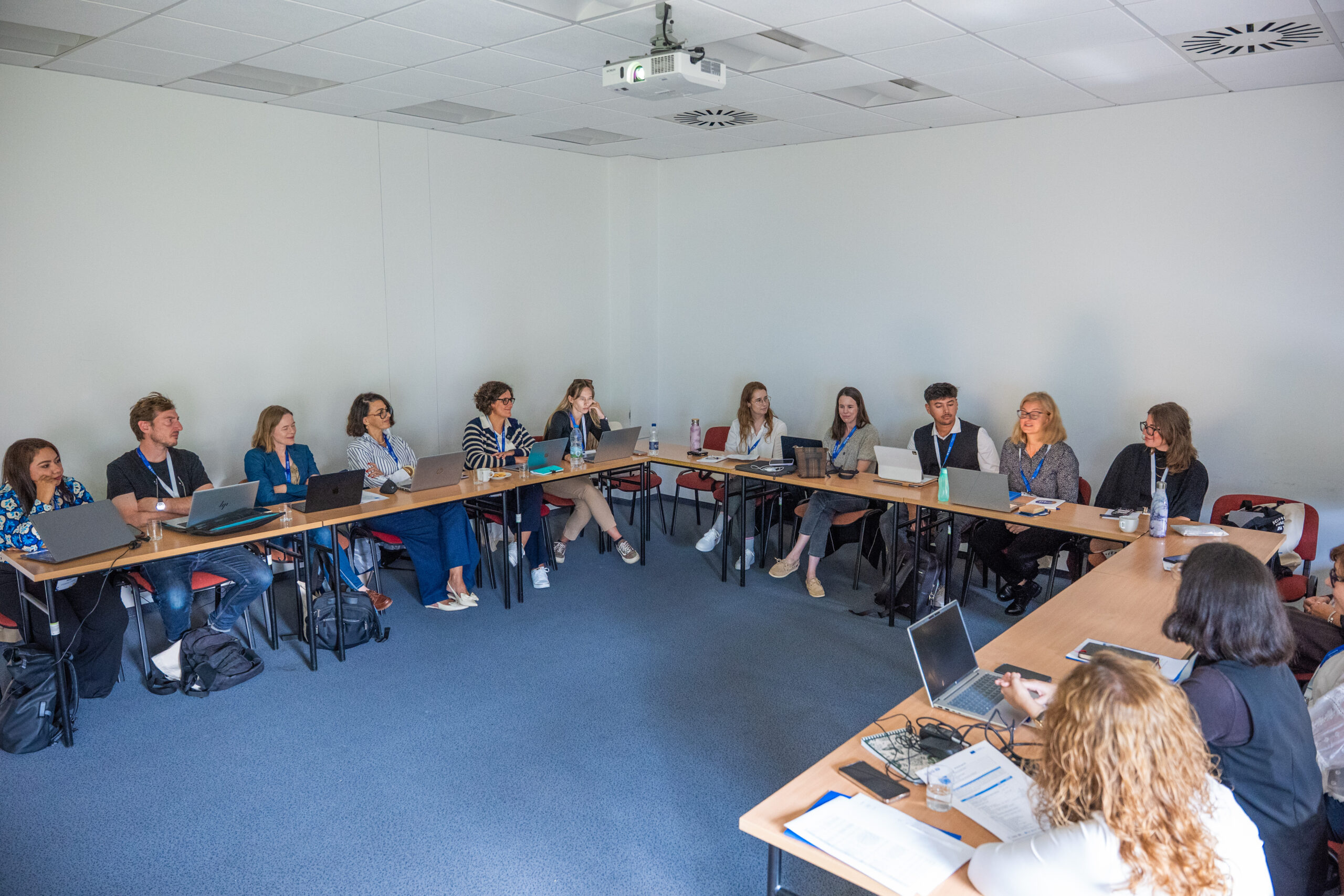
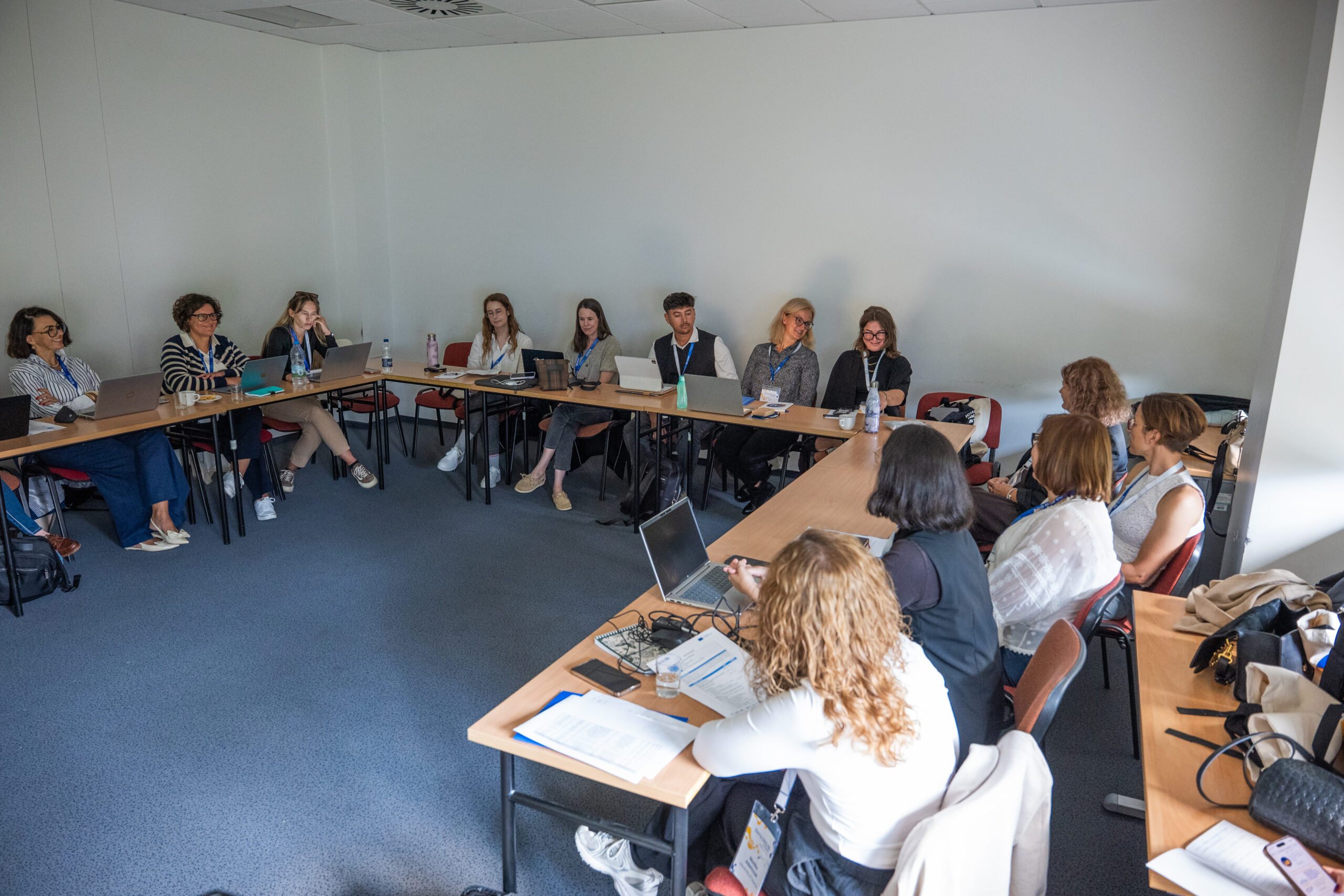
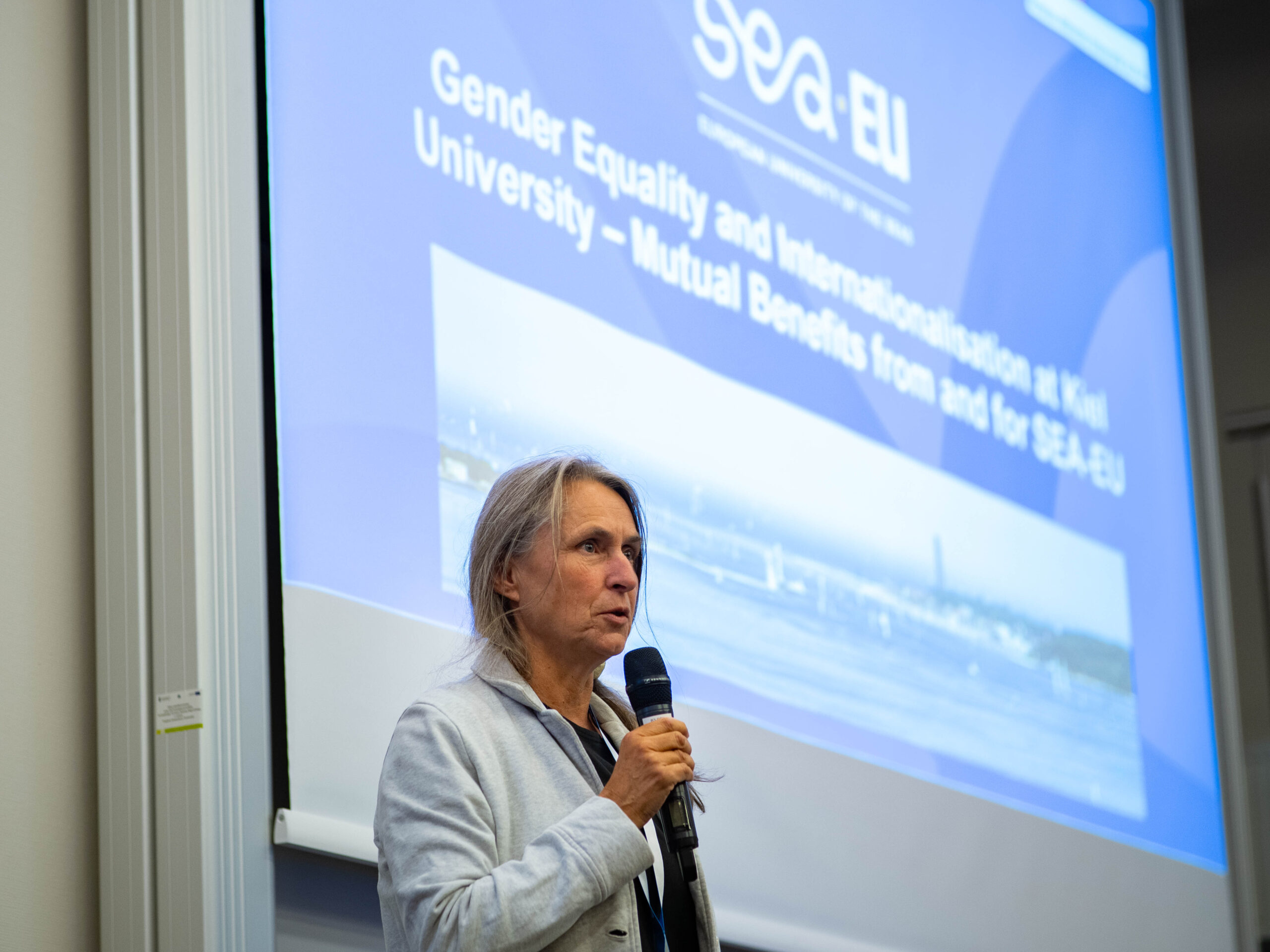
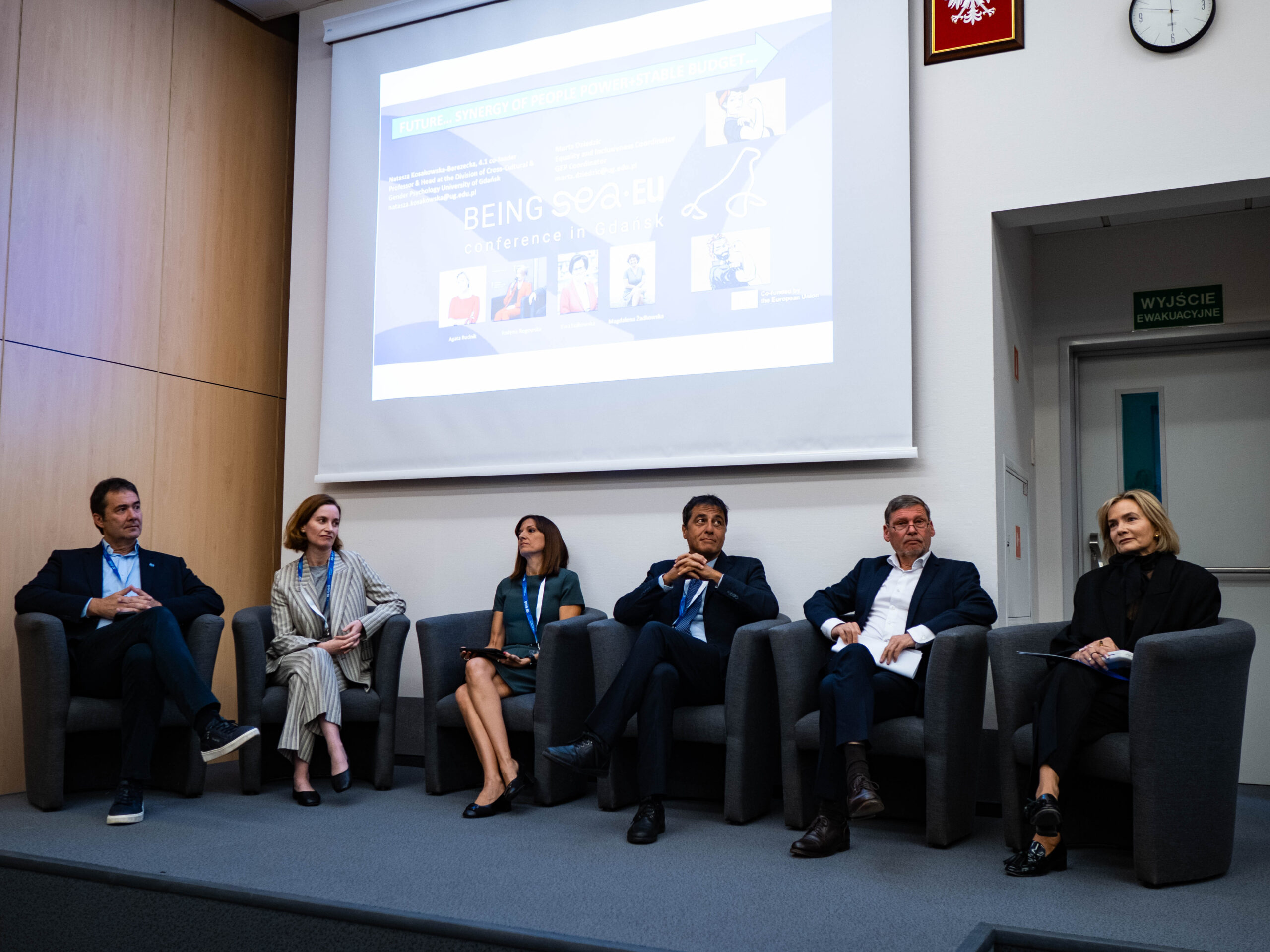
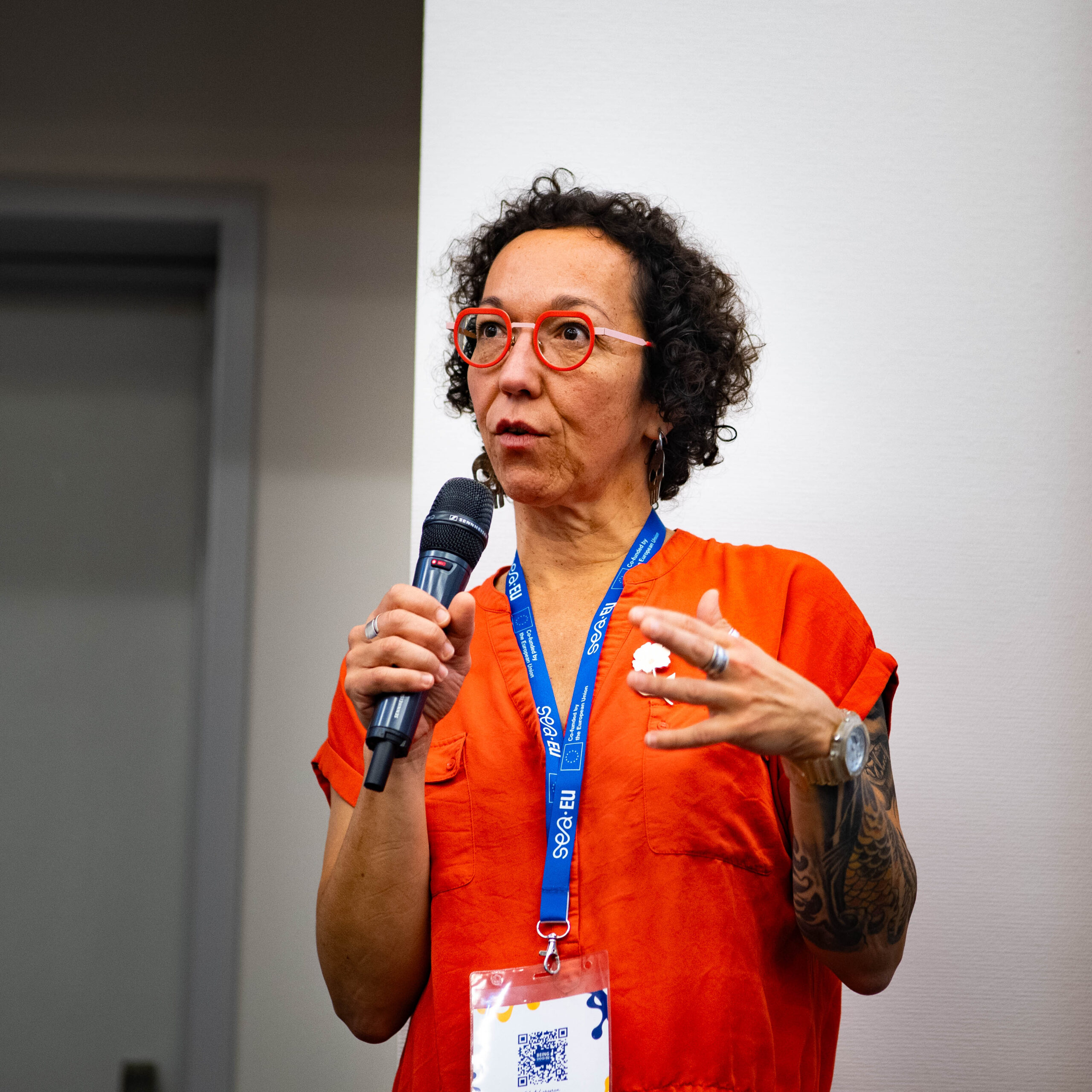
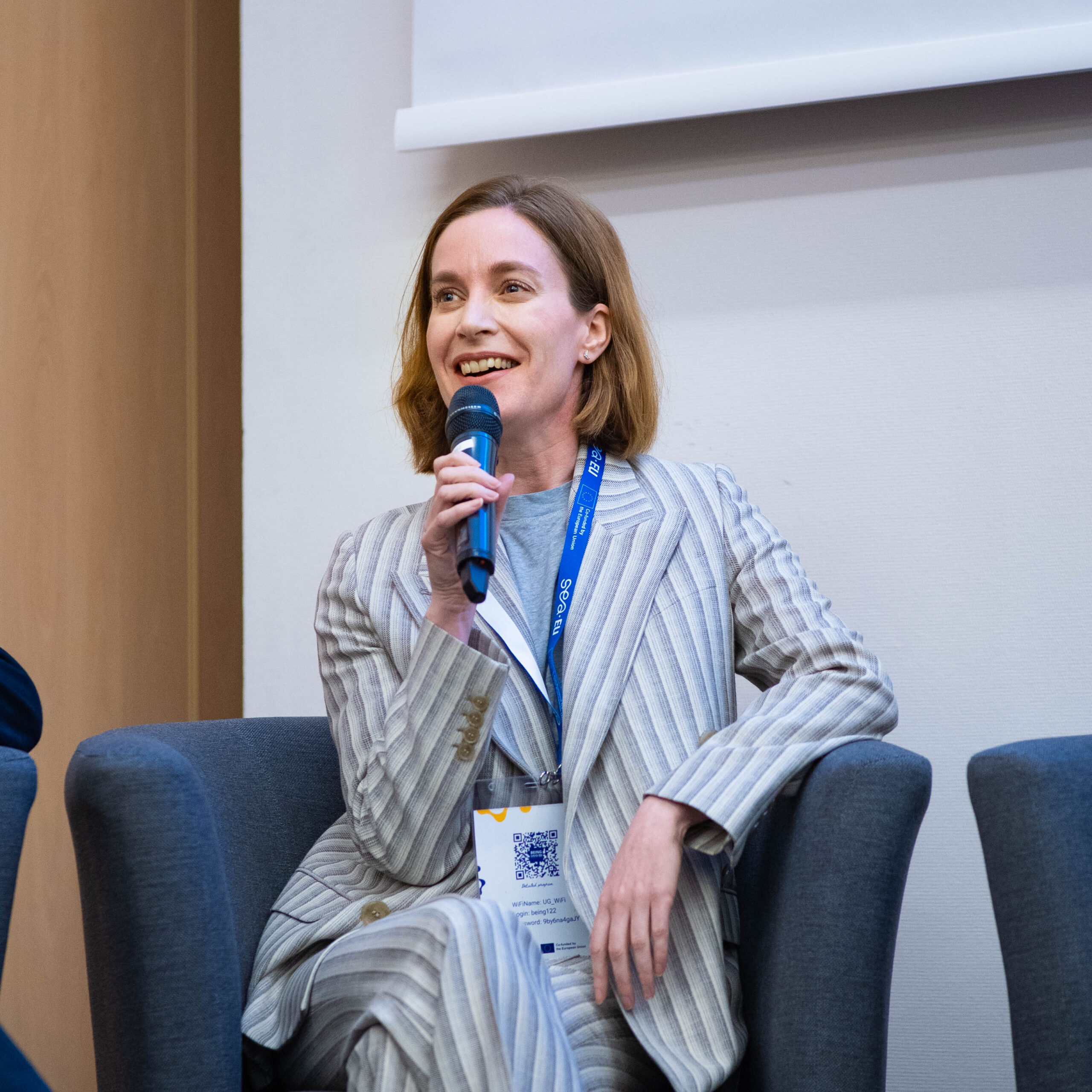
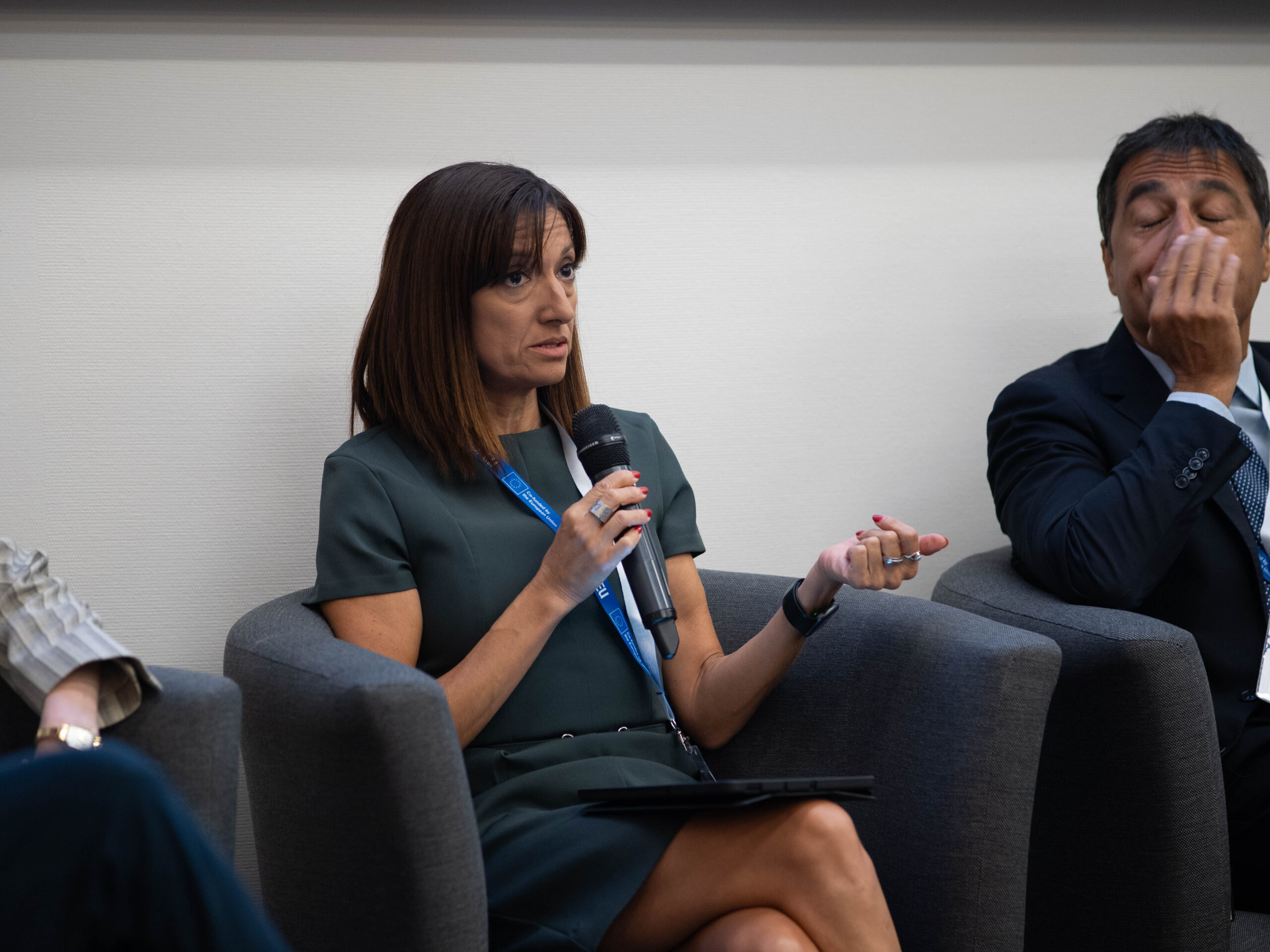
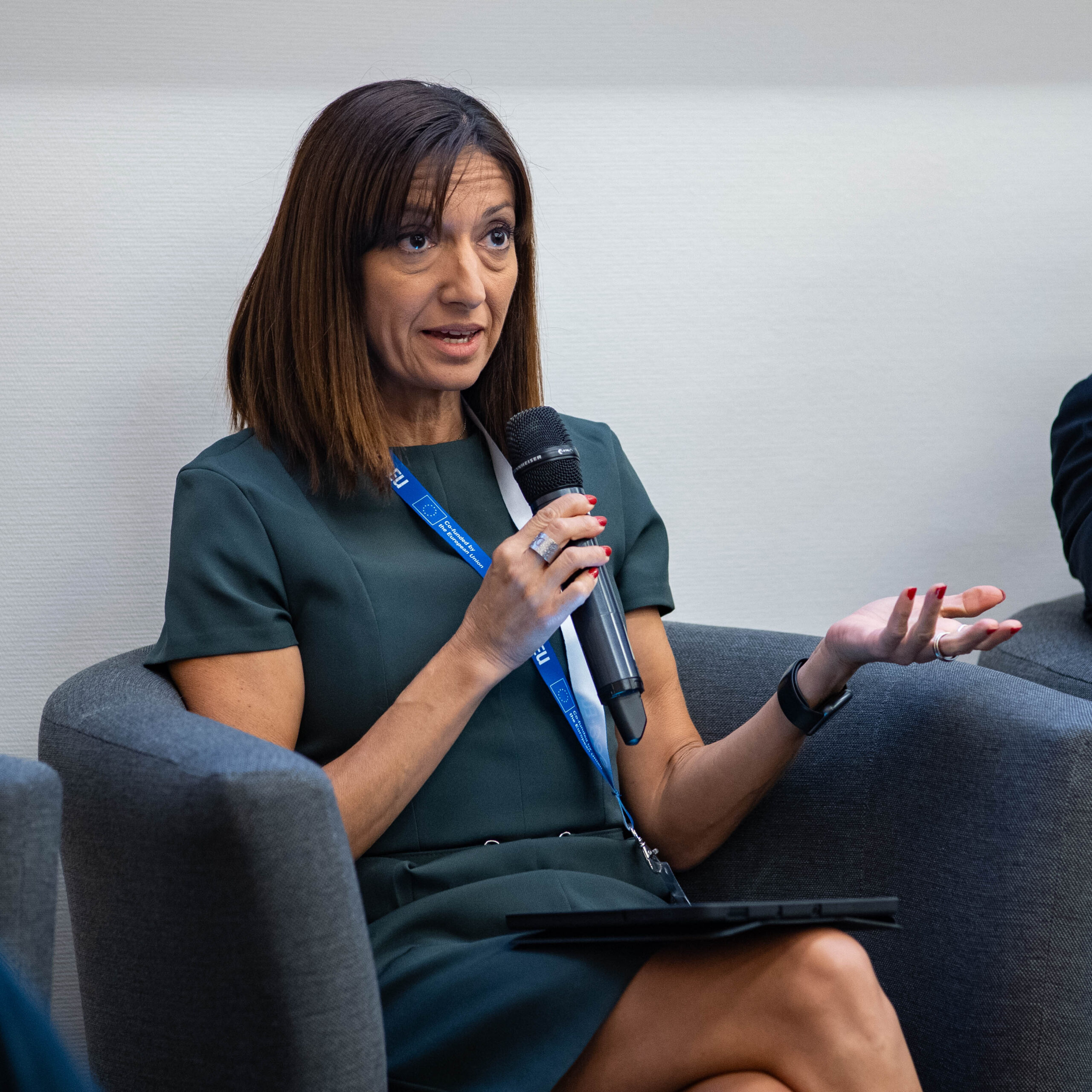
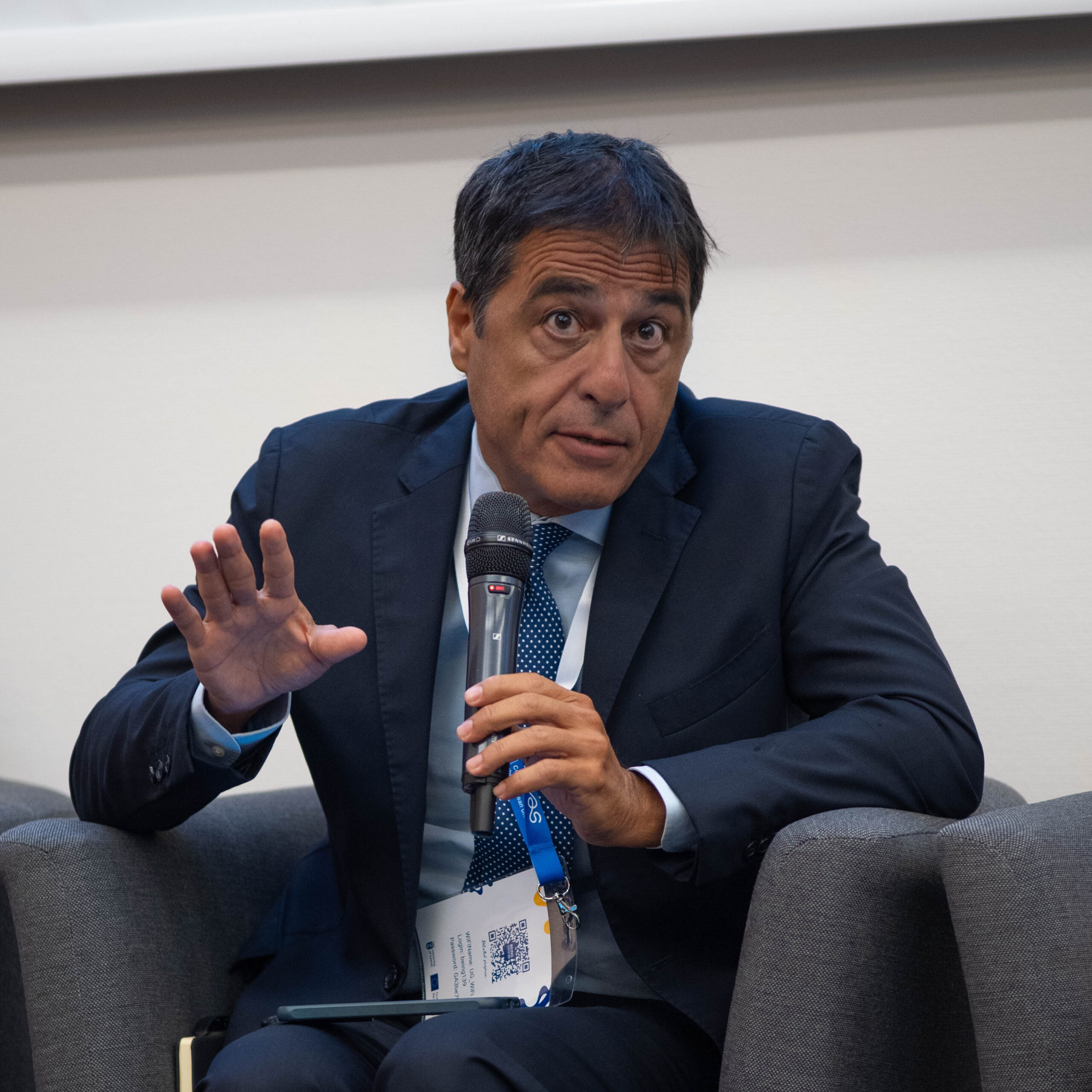
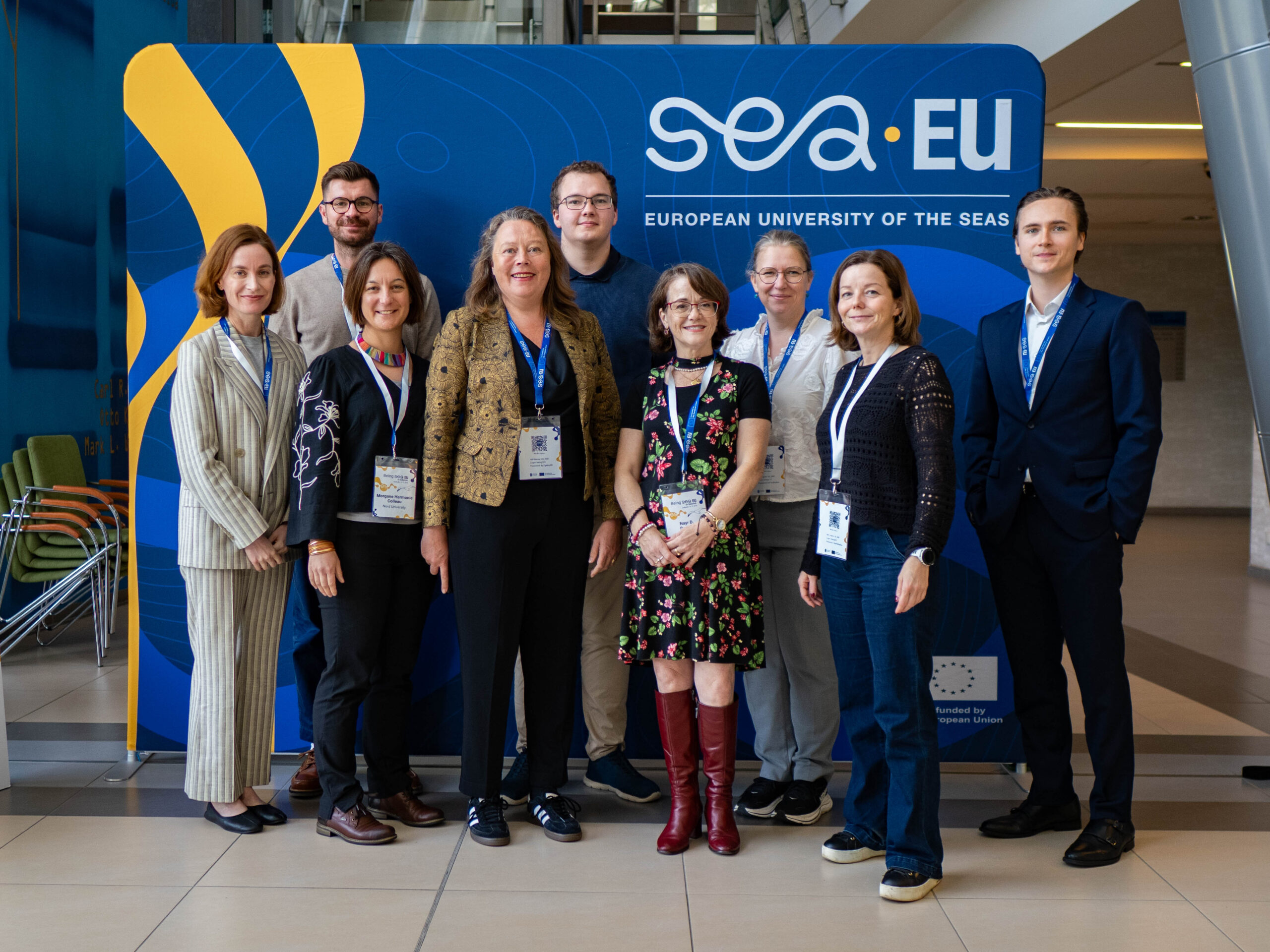
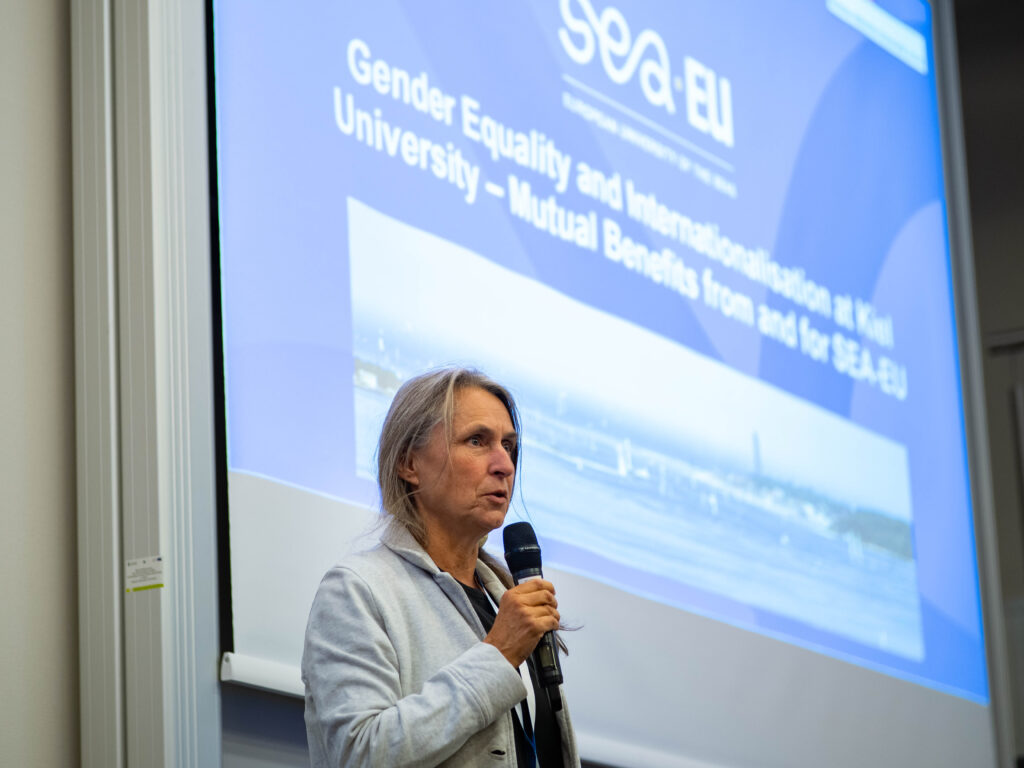
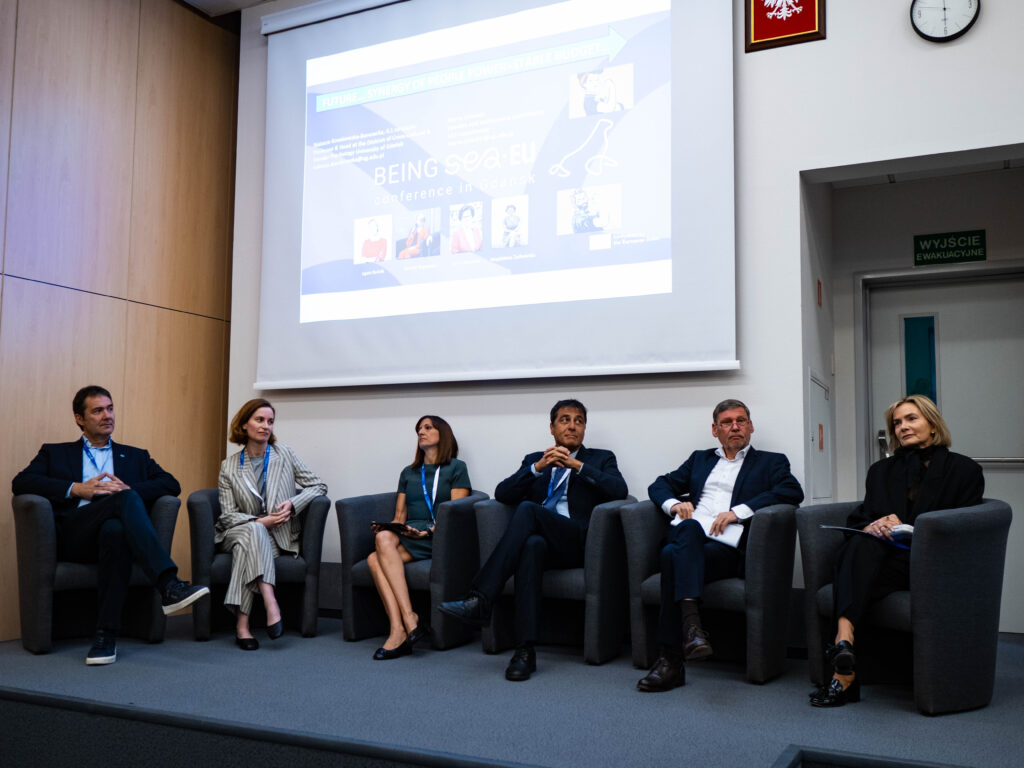
The second day of the conference began with a spotlight session on gender equality in academia. First, SEA-EU experts presented the most interesting studies and initiatives around EDI – Equity, Diversity, and Inclusion. Then, to showcase different approaches to gender equality across the alliance, a vice-rector panel was organized. Six representatives of SEA-EU university authorities discussed their understanding and the progress made over the past 7 years in SEA-EU.
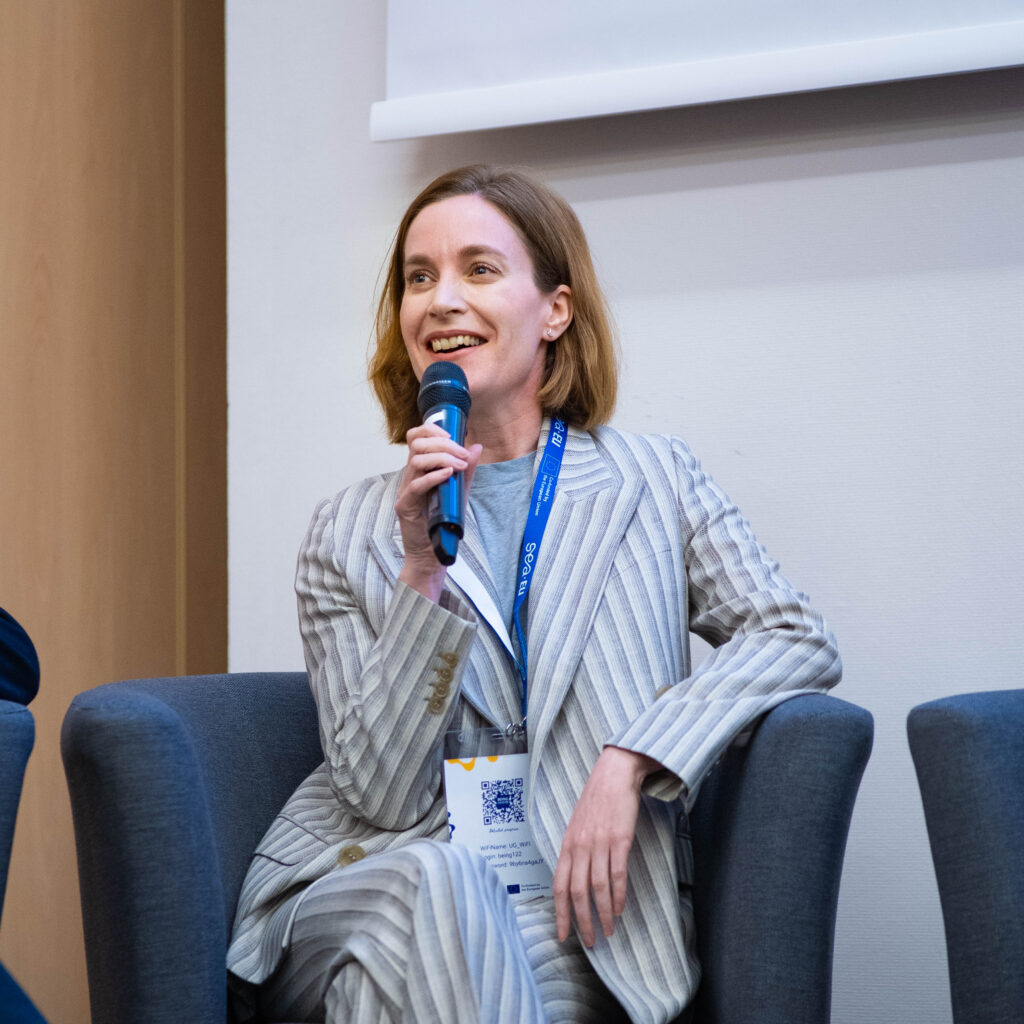
“I see successes in relation to EDI when it’s done holistically—when it’s not just about one particular issue, but a full package of what Equity, Diversity, and Inclusion means. And it means that for those of us who might hold a more privileged position, we question our own positionality and the privilege that we have. That’s when I think success can happen,” shared Rosemary Martin, Dean of the Faculty of Education and Arts at Nord University.
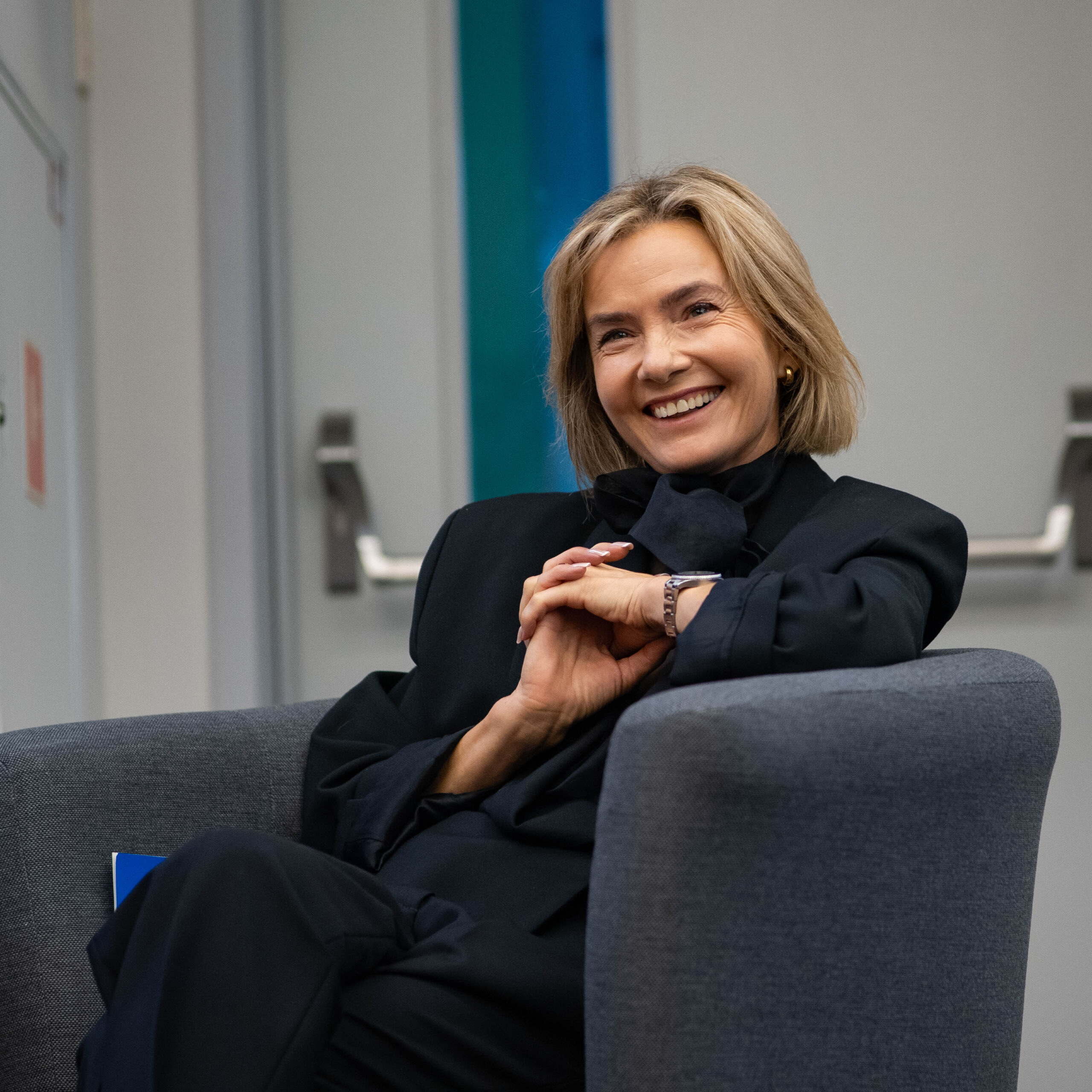
If you are interested in the University of Gdańsk’s EDI approach, we invite you to read an interview conducted during the conference with UG Vice-Rector Anna Jurkowska-Zeidler.
Buzzing with creativity thanks to student-led innovation
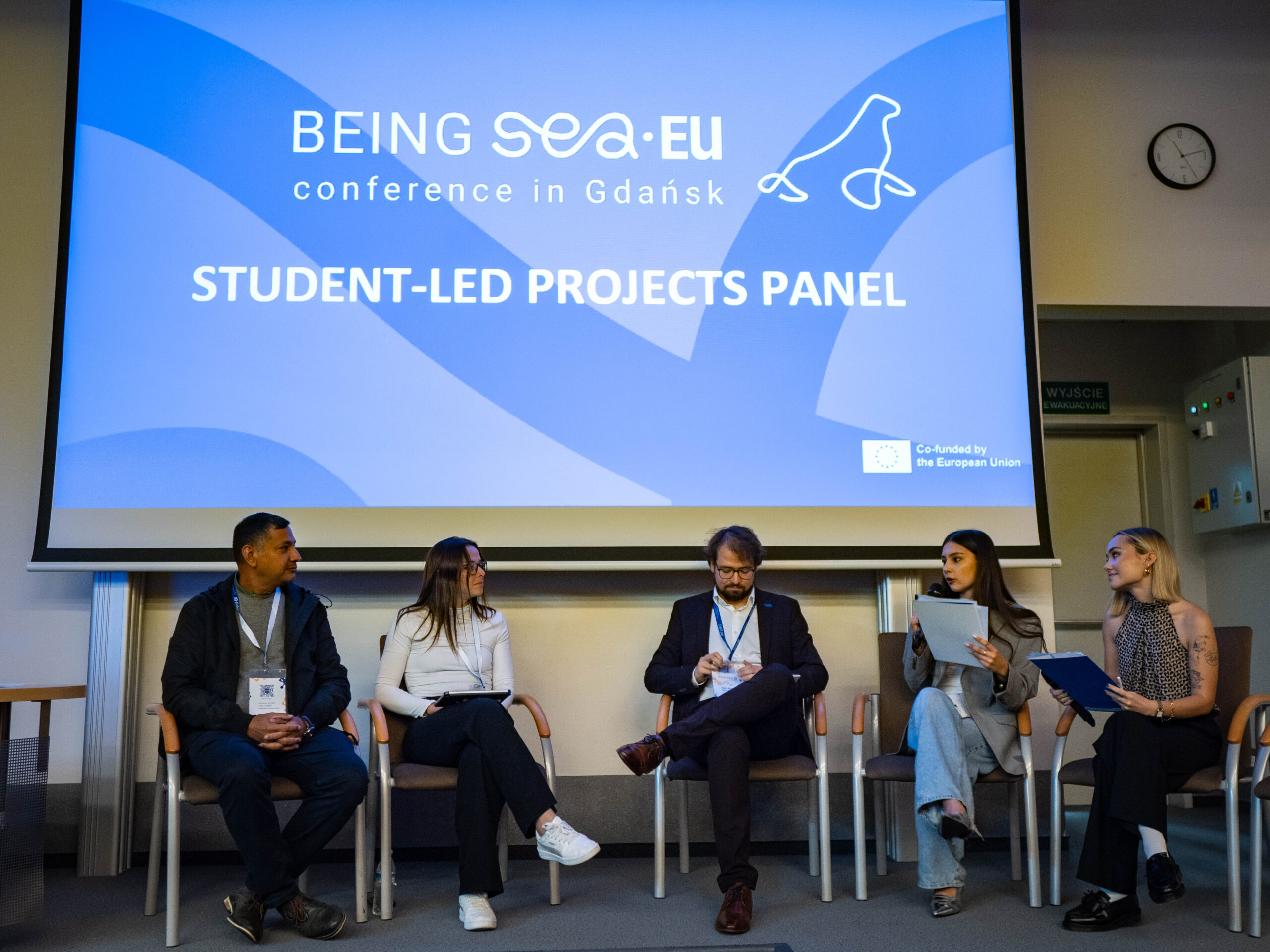
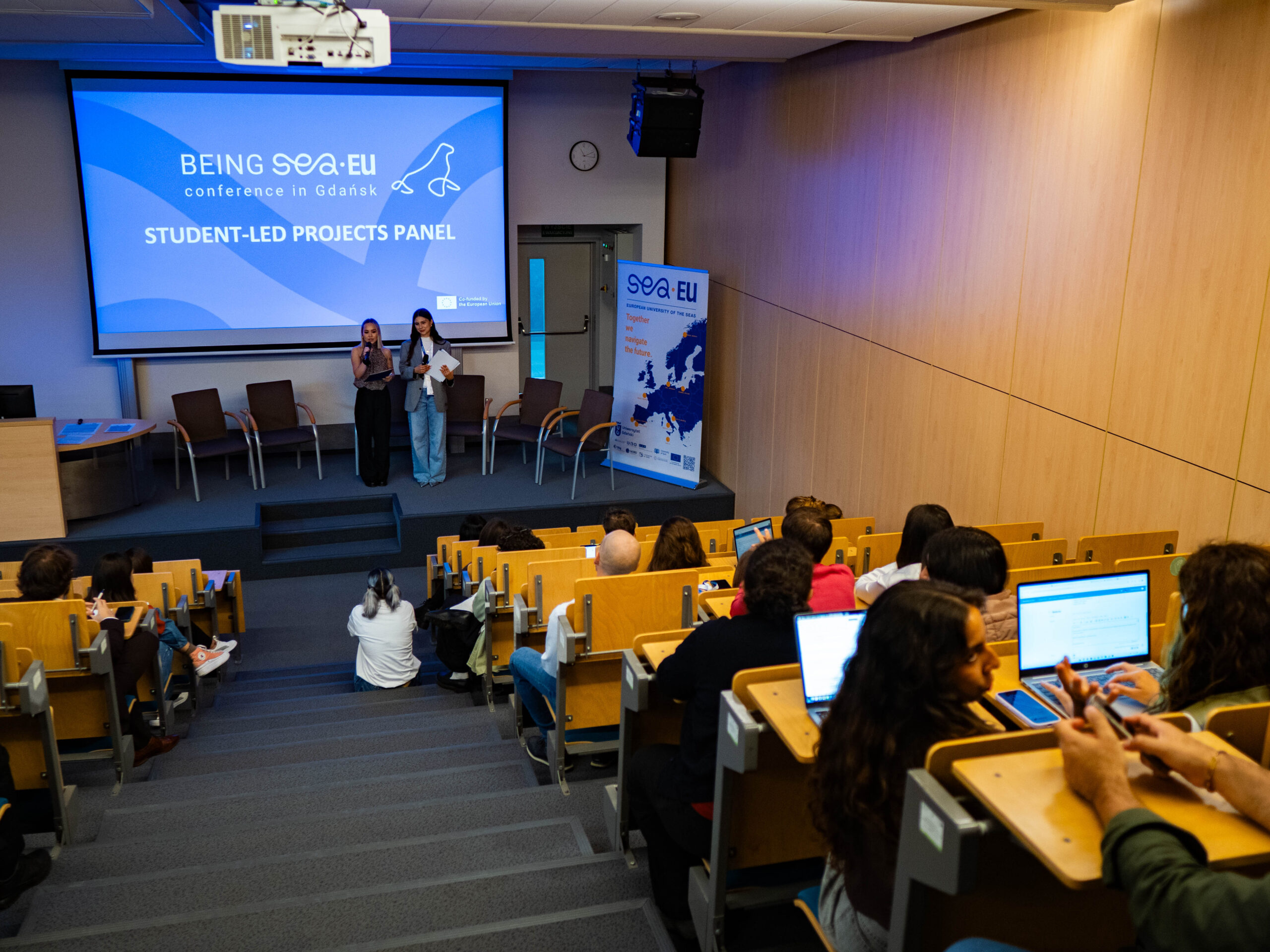
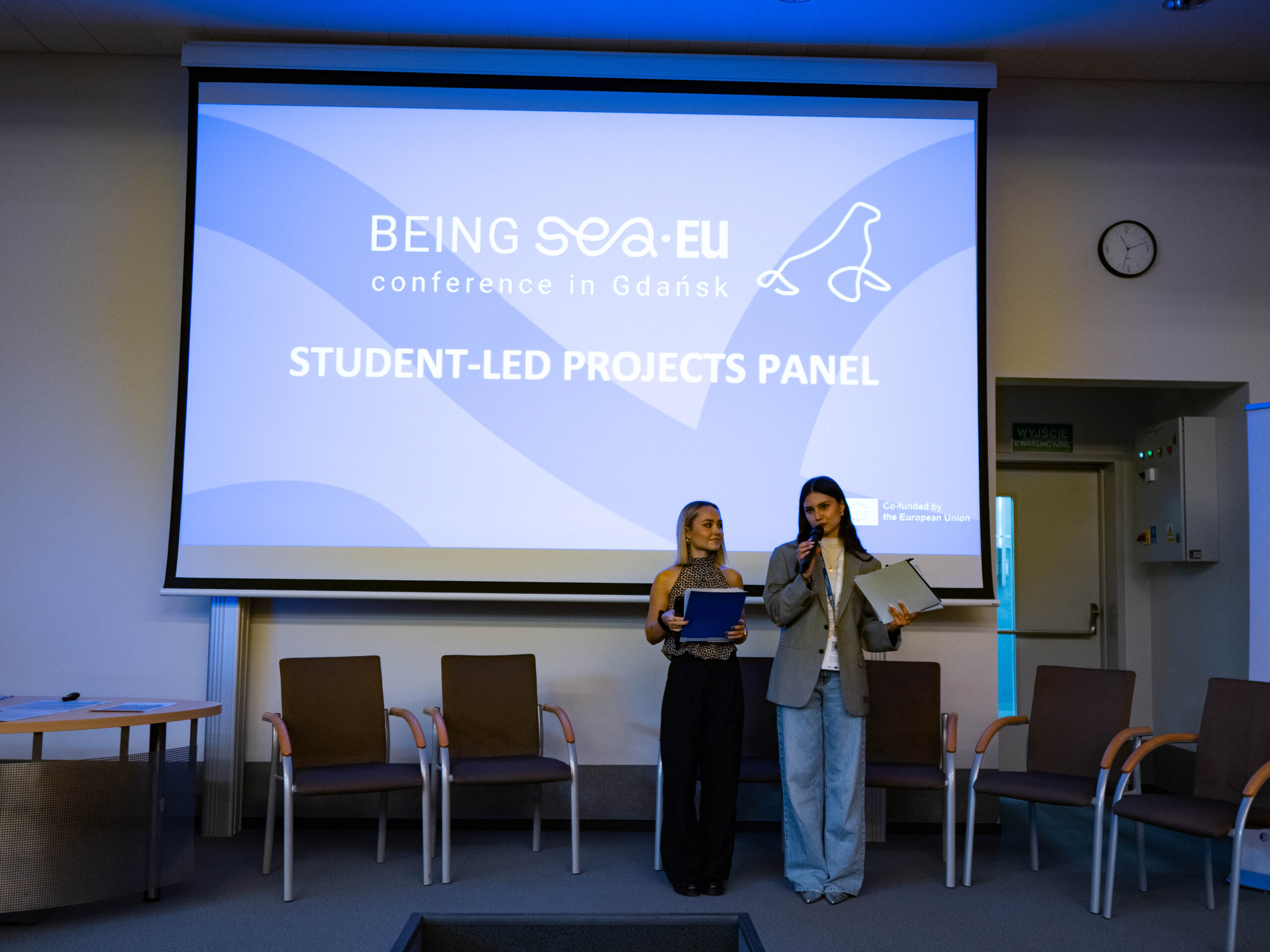
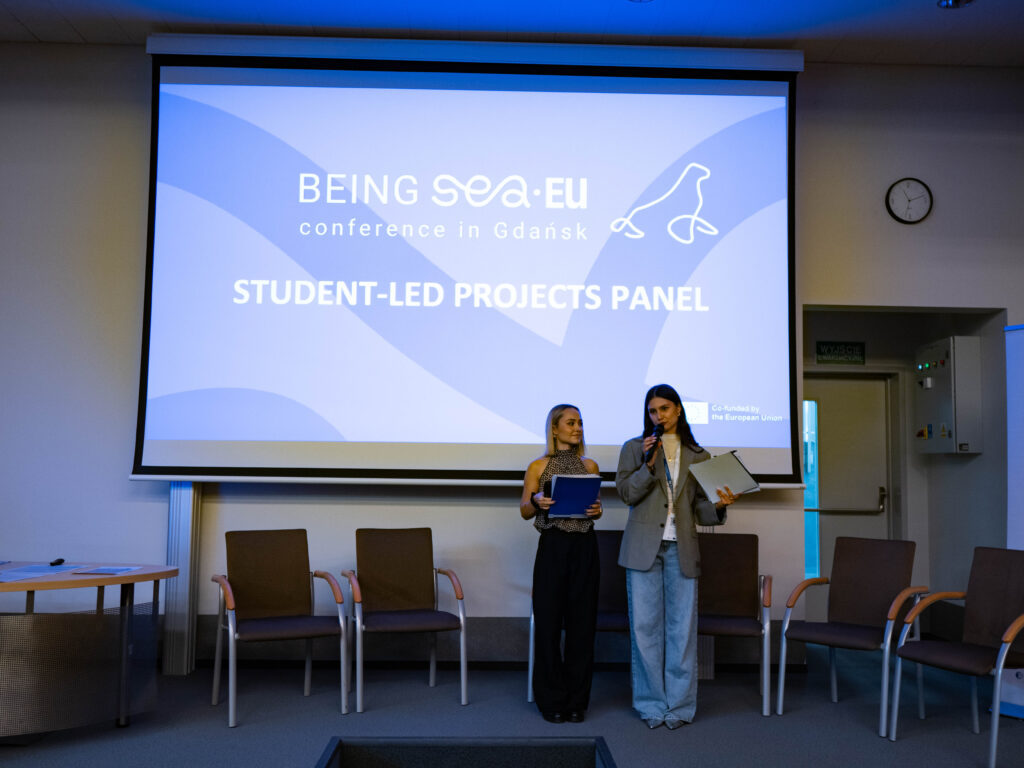
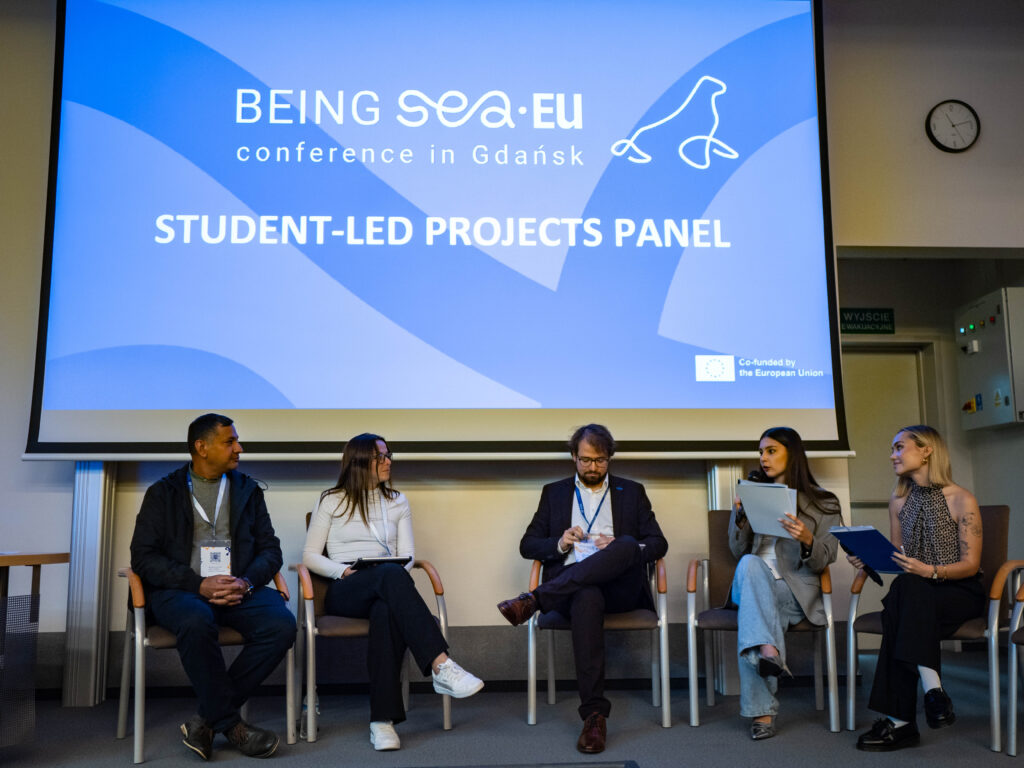
From an initial idea to an activity that connected young people across Europe, the student-led project programme is one of the pillars of the SEA-EU Alliance. During the conference, participants heard firsthand about the inspiring activities carried out through the programme. Students from SEA-EU universities presented projects such as an interactive library puzzle, the Climate Decision Game, and Eco-Lens stories shared in a podcast series.
The event was coordinated by SciClub, which in 2025 carried out the “Stress Relief” project alongside students from Kiel University.
Deepening connections through Staff Weeks
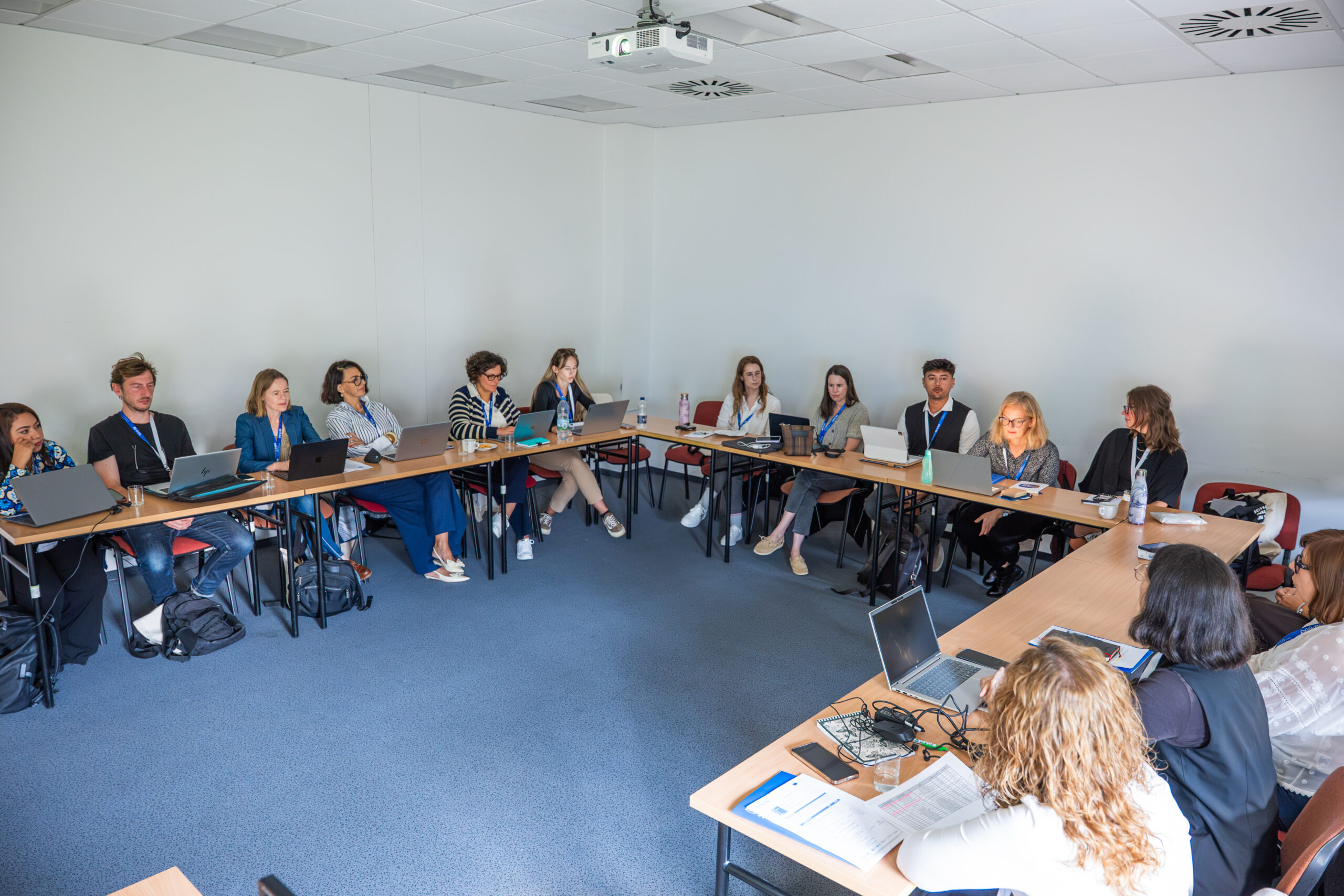
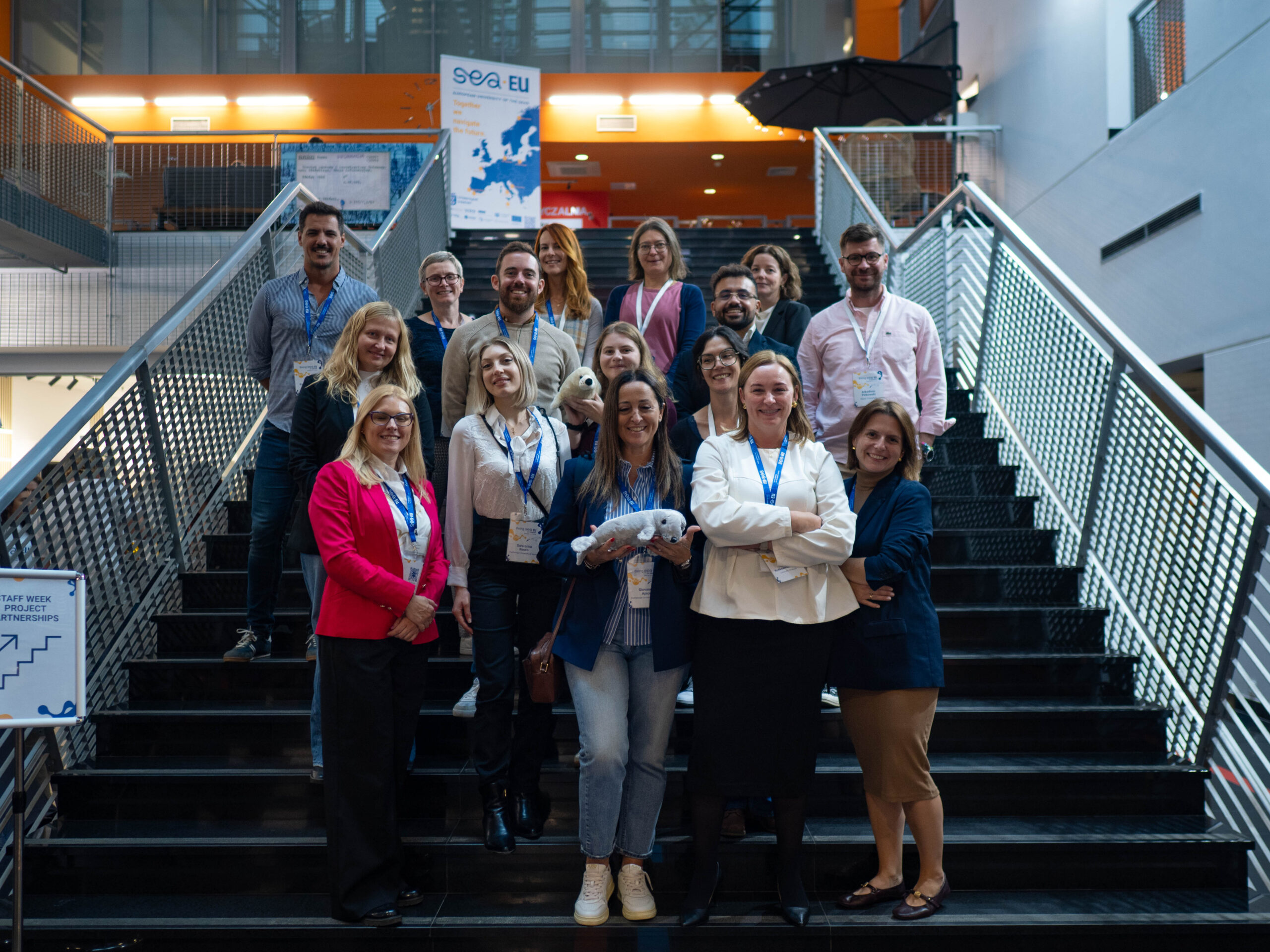
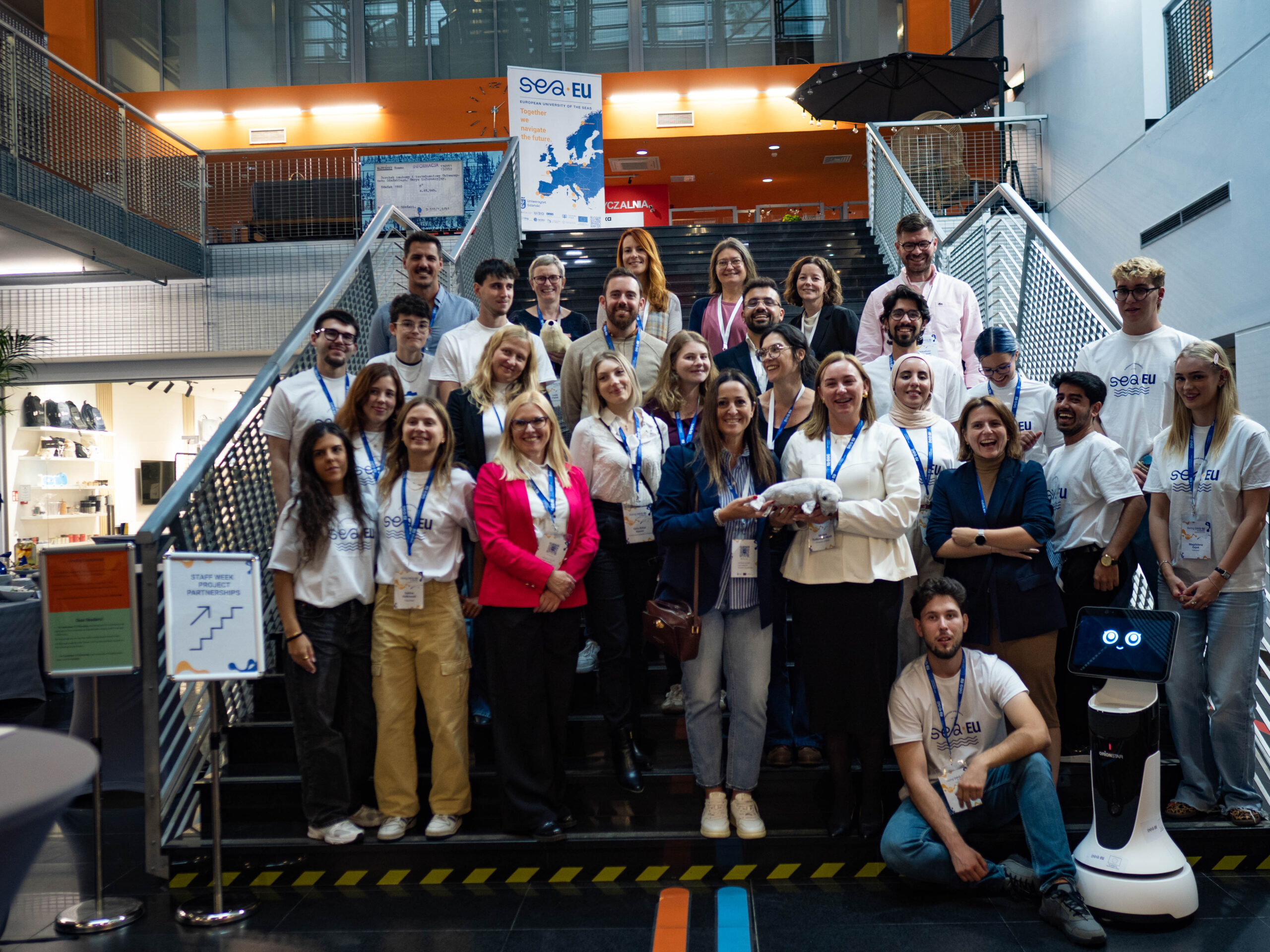
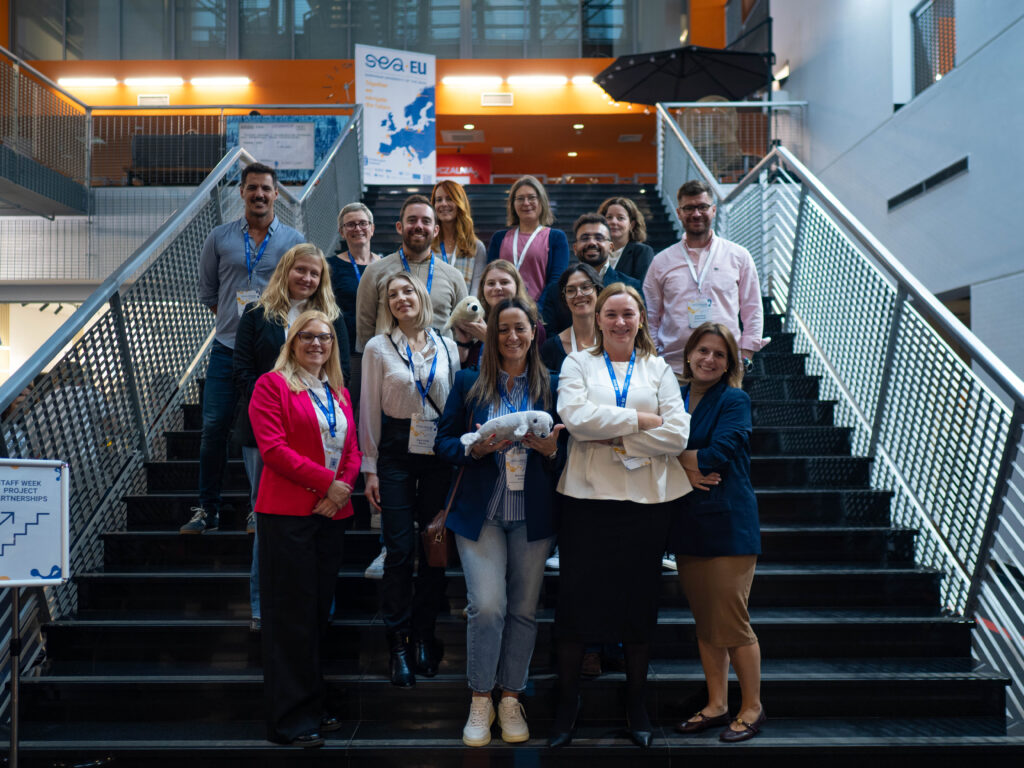
Two dedicated Staff Week programmes offered participants additional opportunities to exchange knowledge and strengthen professional connections. Building Strong Project Partnerships focused on developing effective international cooperation, while SEA-EU Observatories provided a space to discuss the achievements and future directions of the alliance’s observatories.
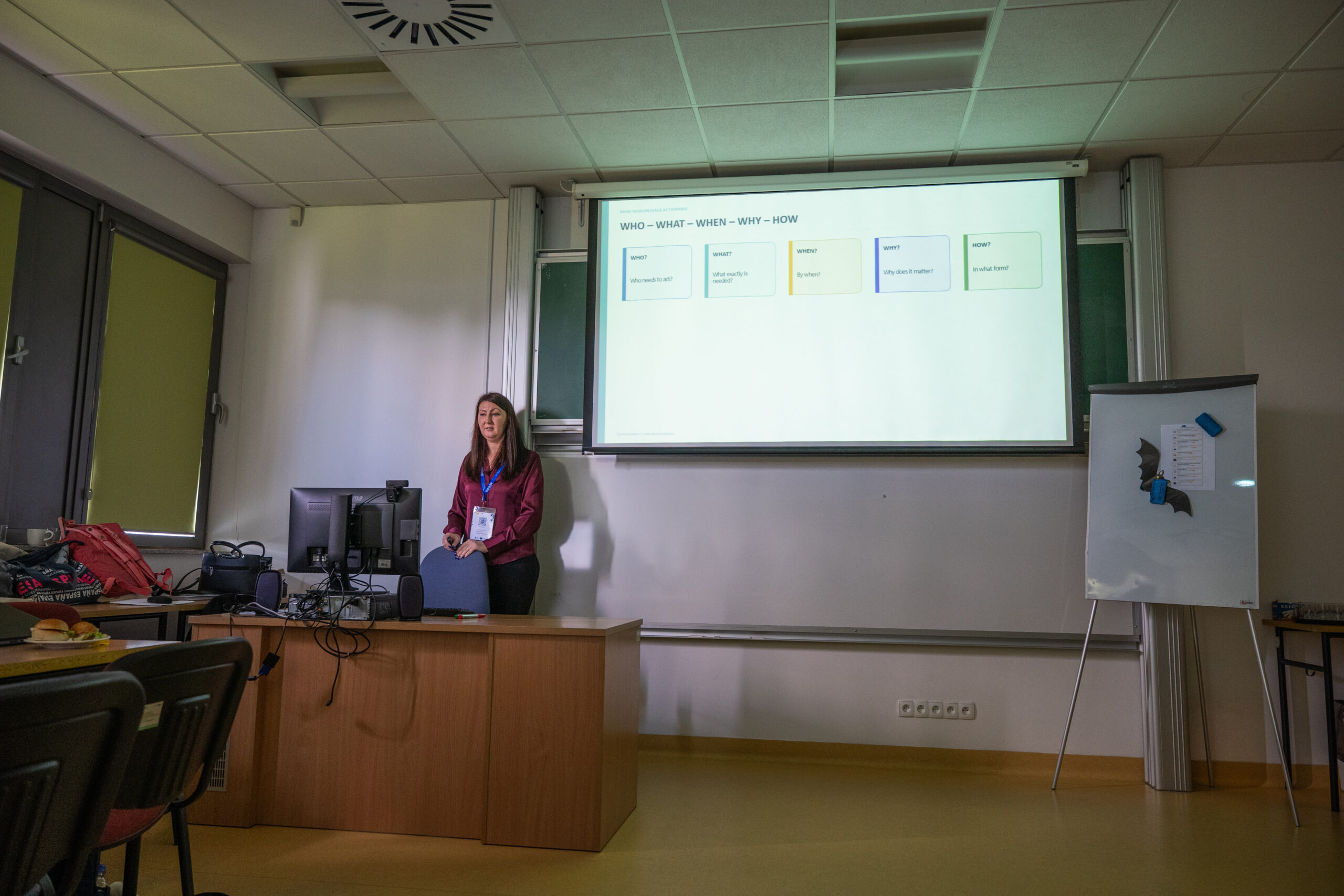
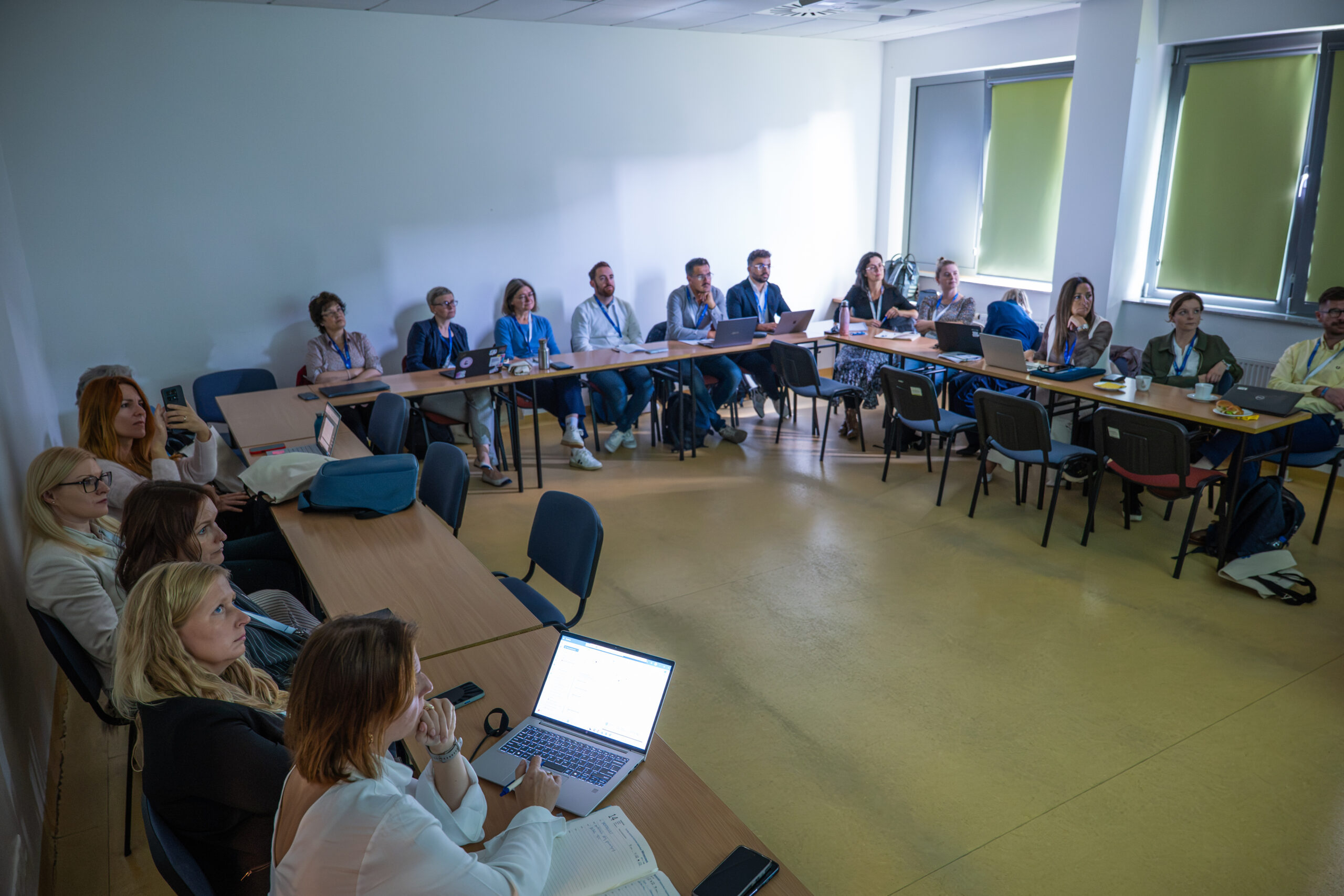
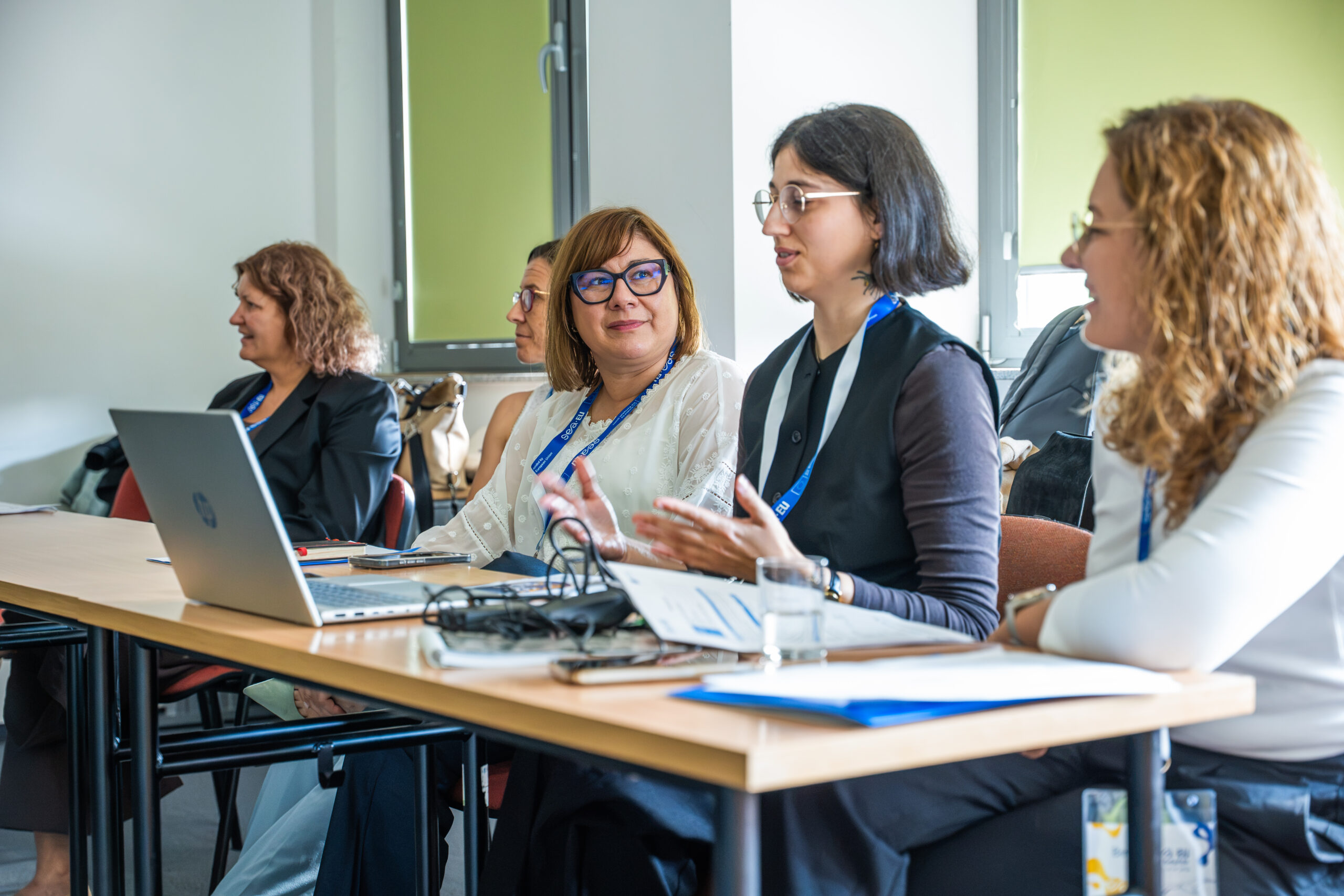
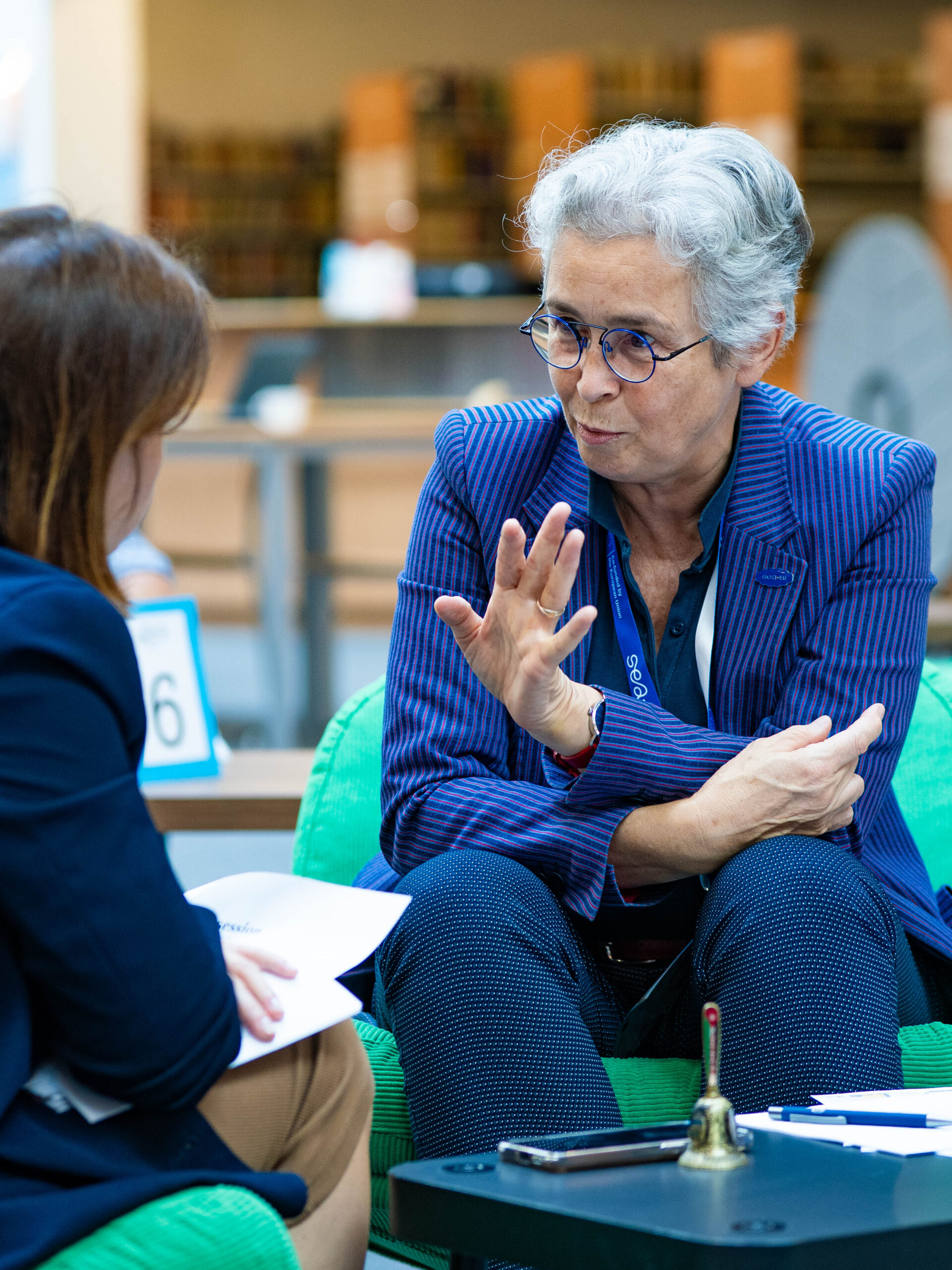
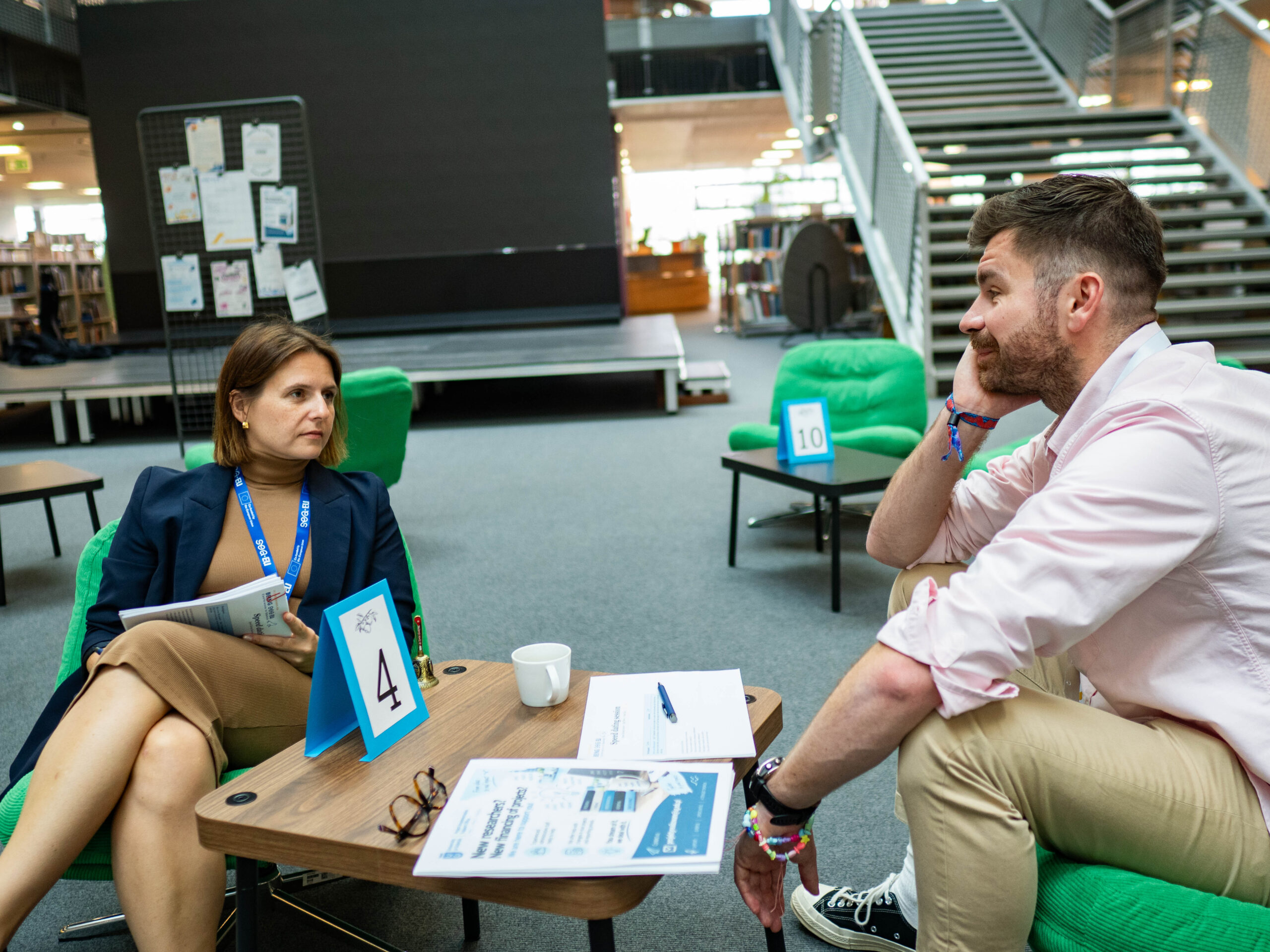
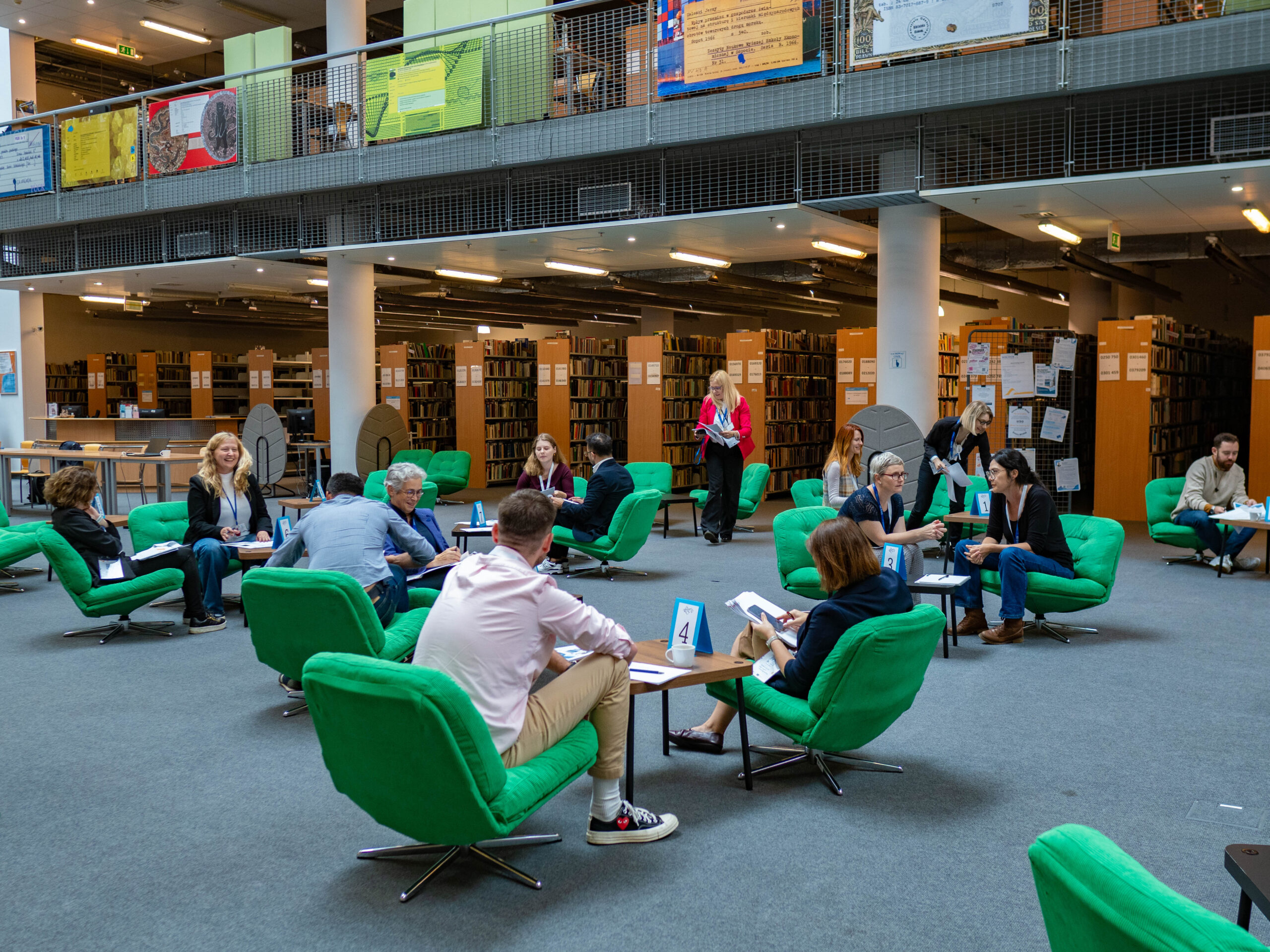
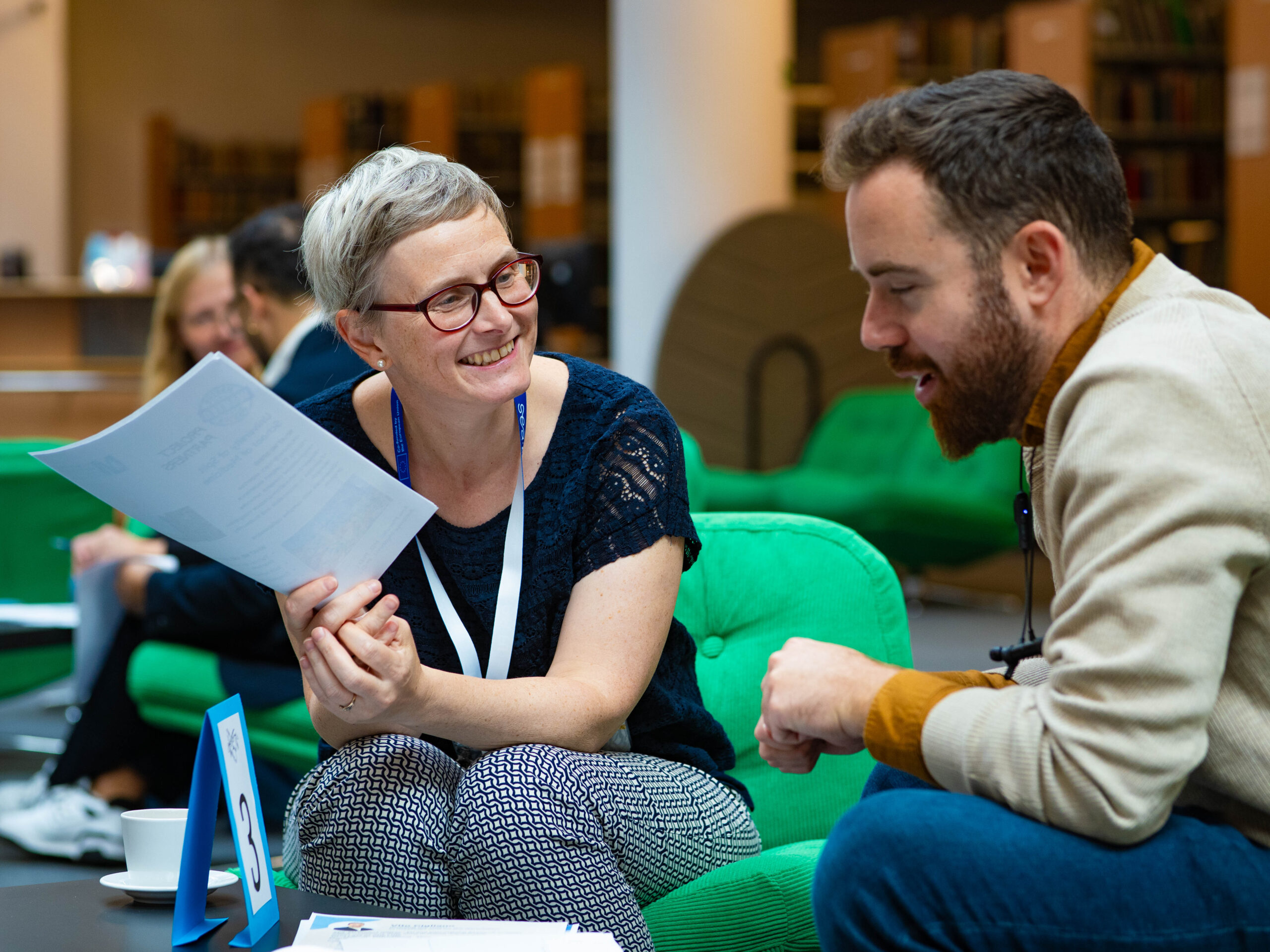
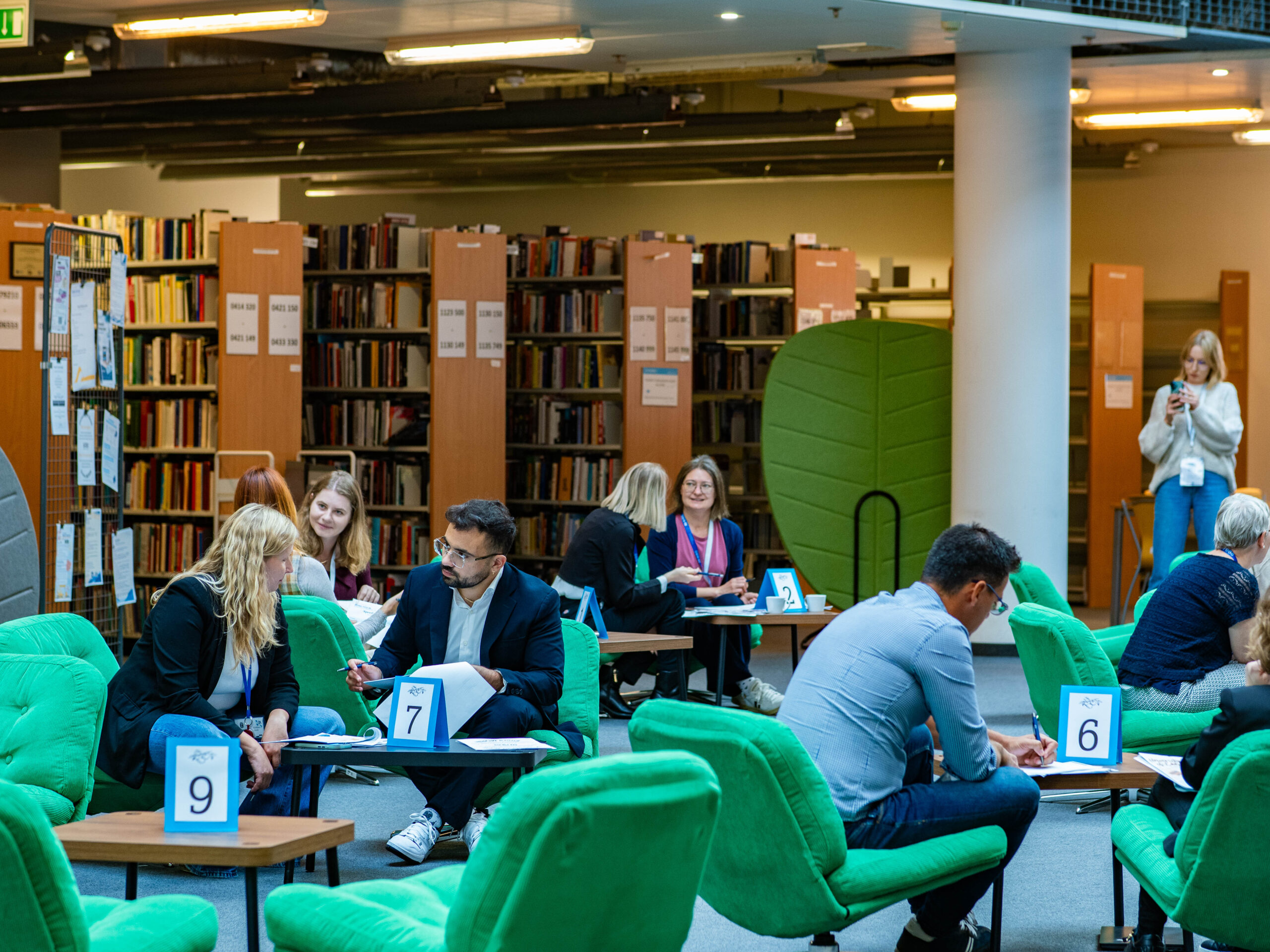
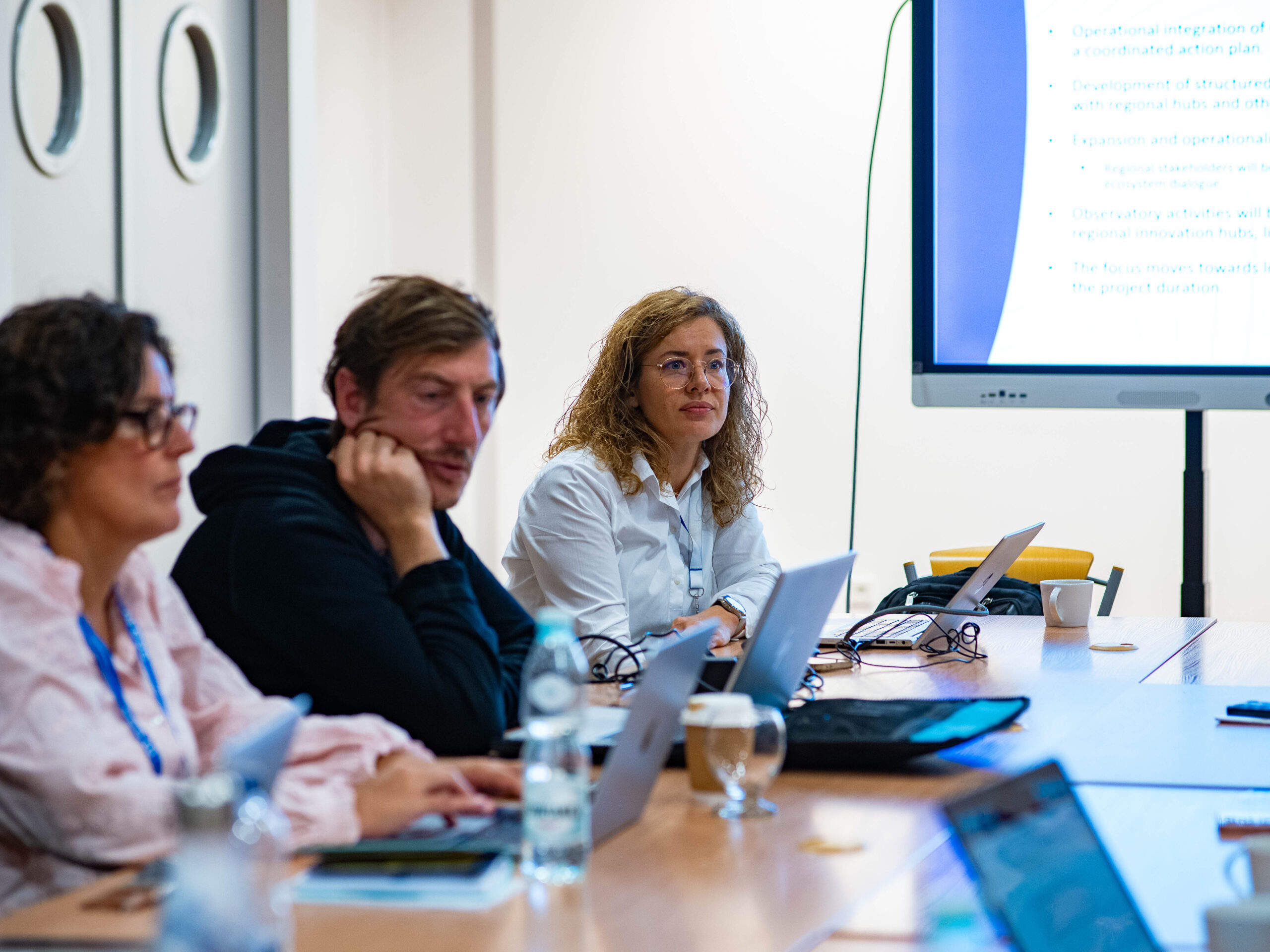
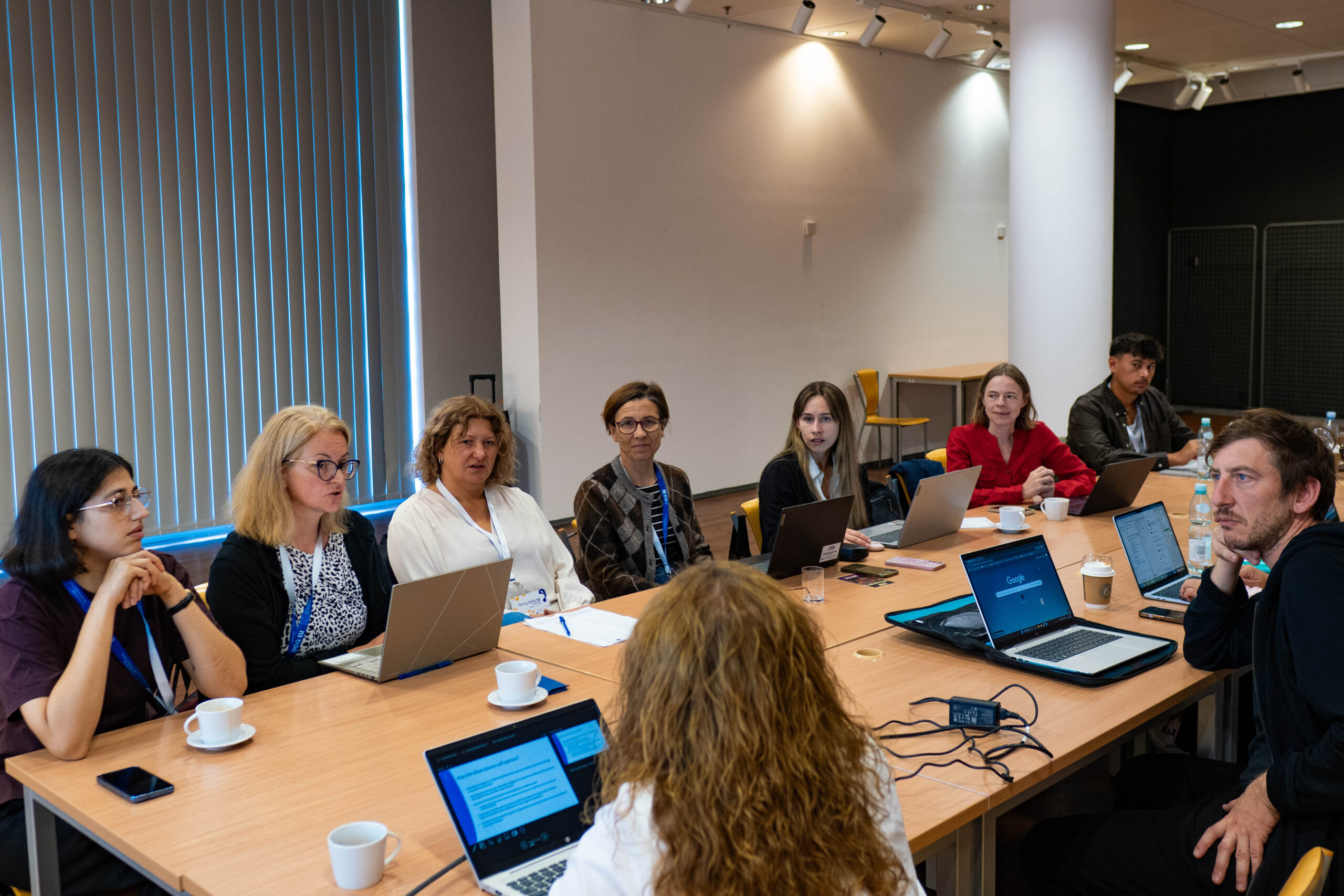
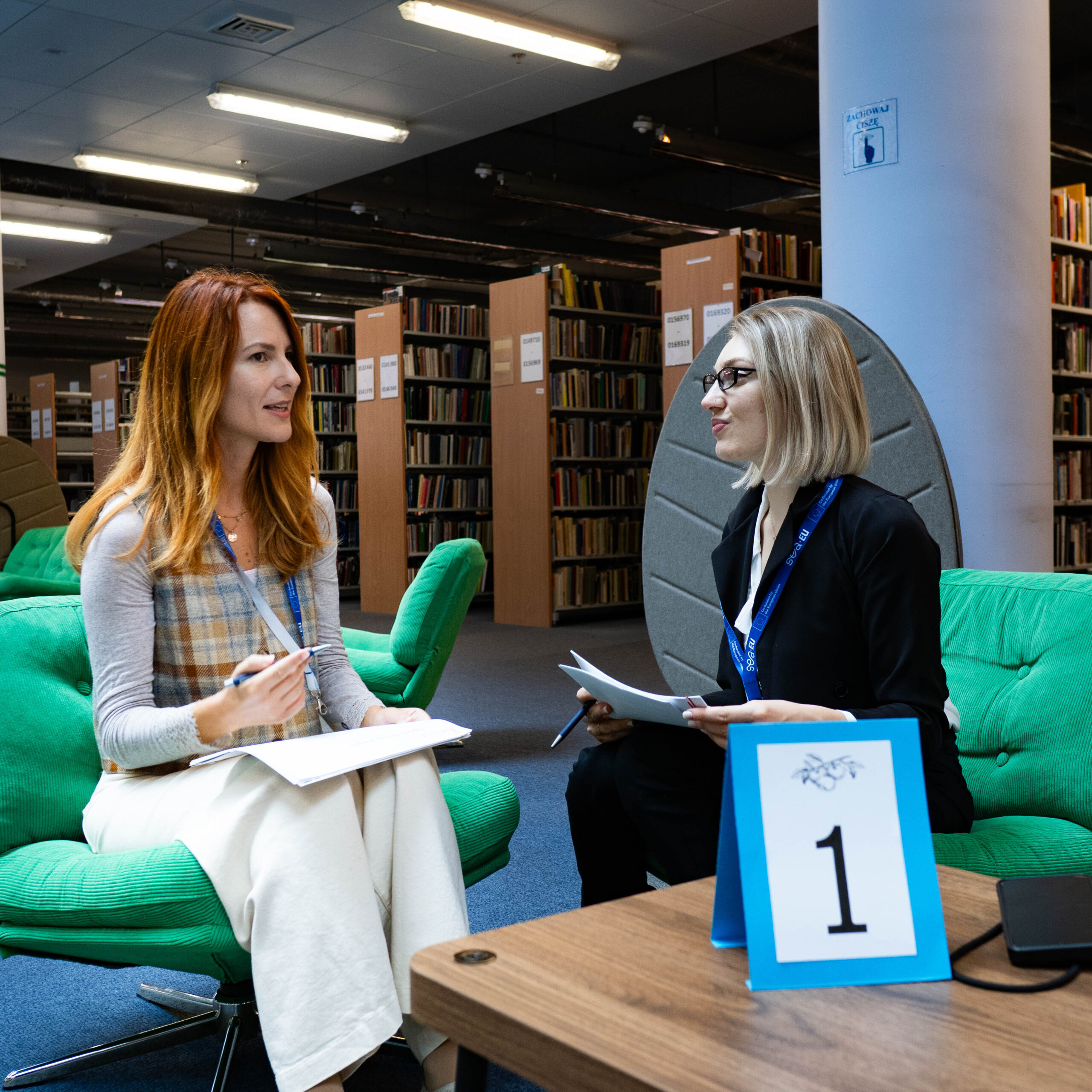
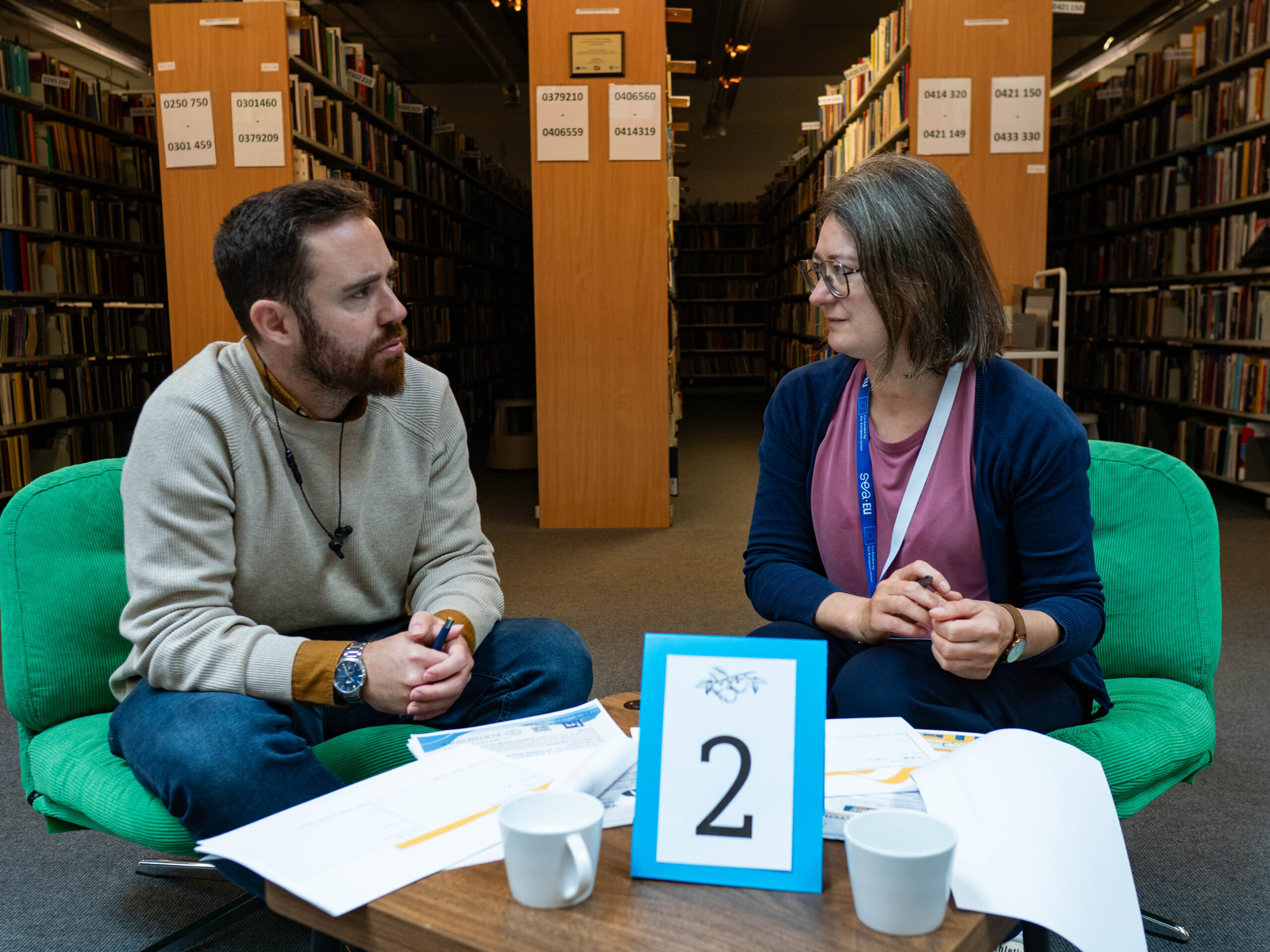
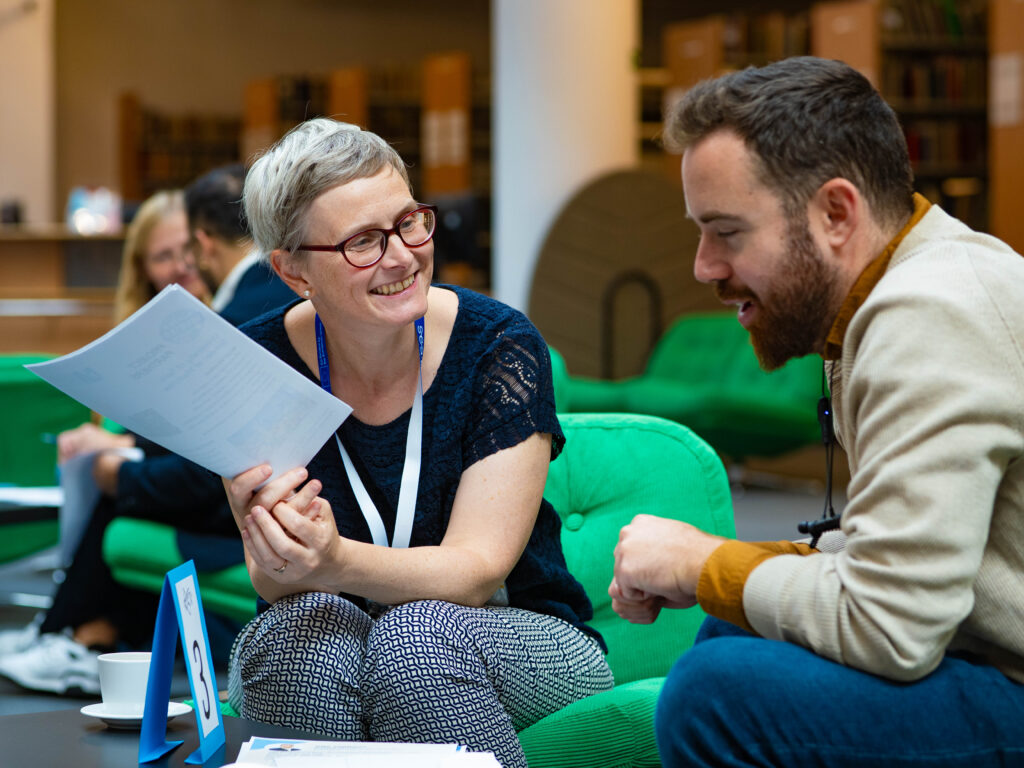
Through workshops, presentations, group discussions and even project speed dating session participants shared experiences, explored common challenges, and identified new opportunities for collaboration.
Recharged by moments outside the auditorium
Beyond the research presentations, participants enjoyed various extra activities showcasing local culture and building a sense of community.
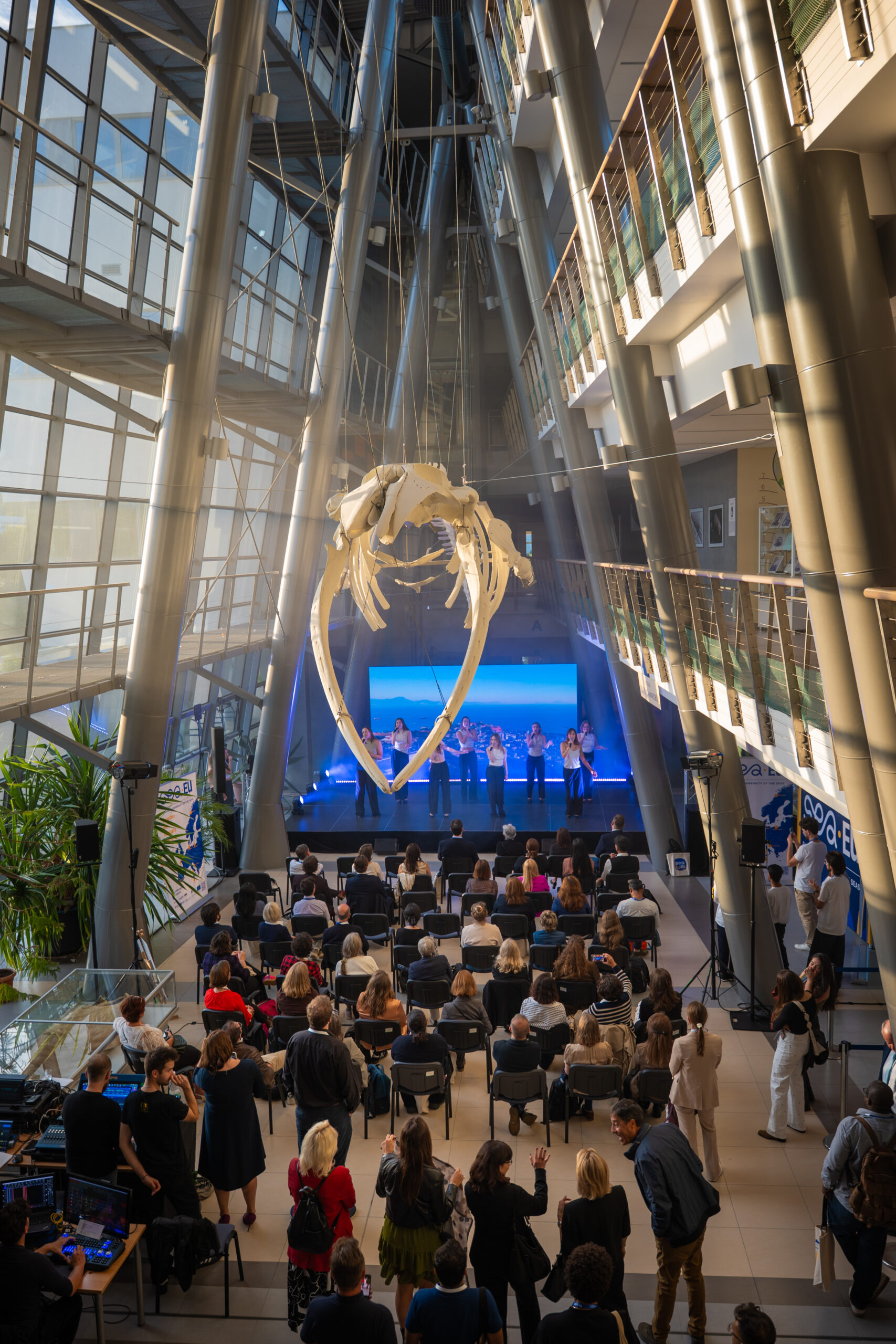
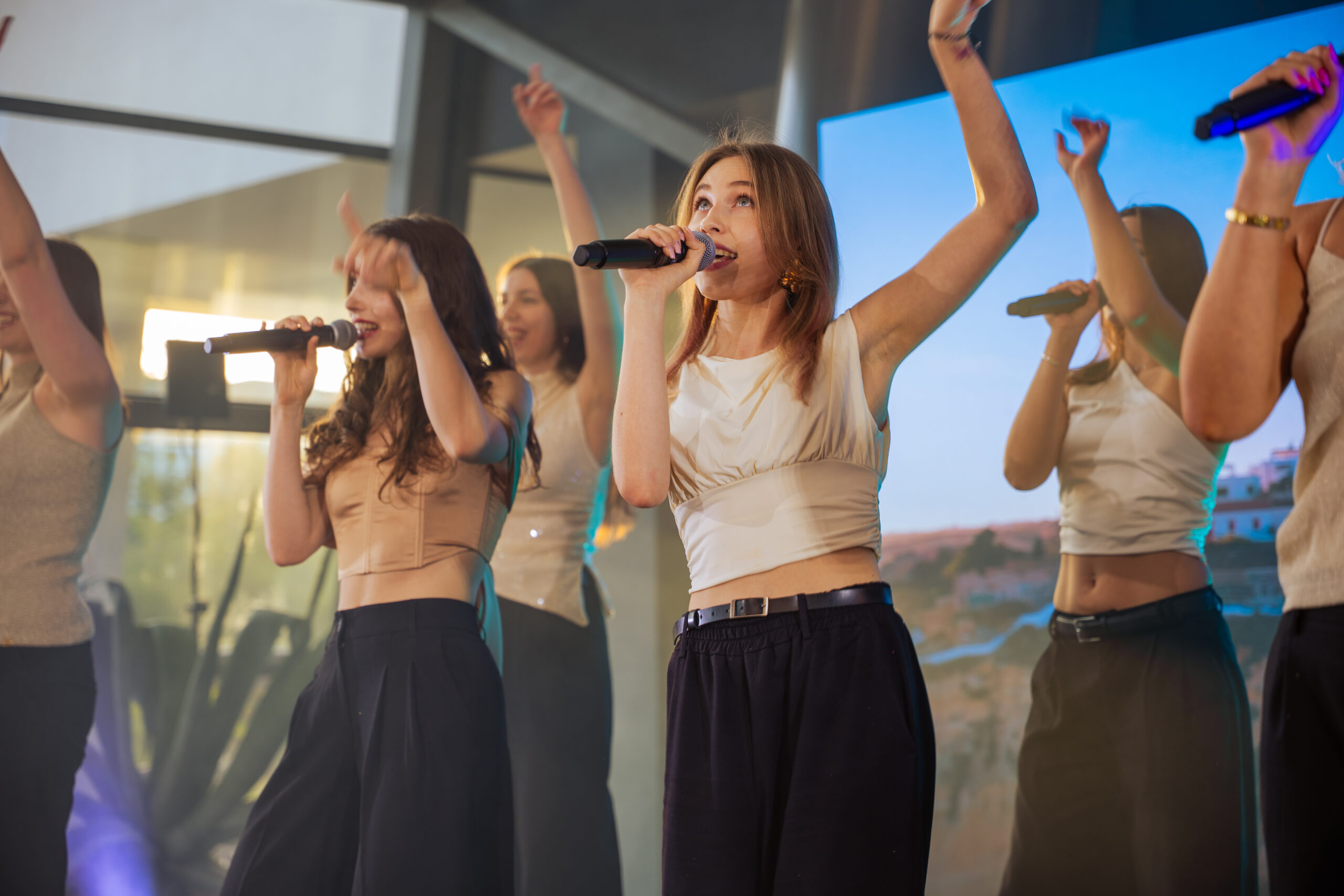
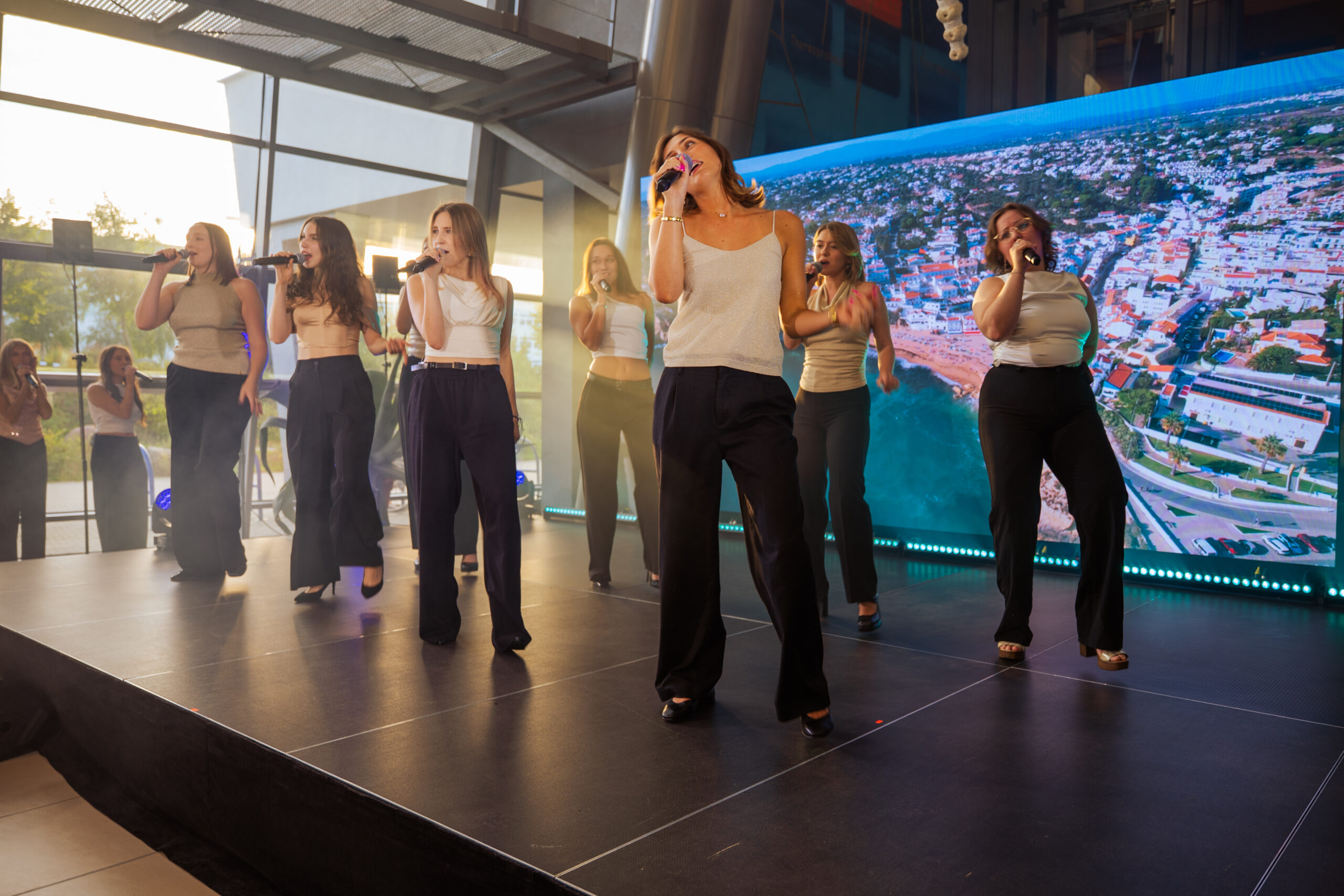
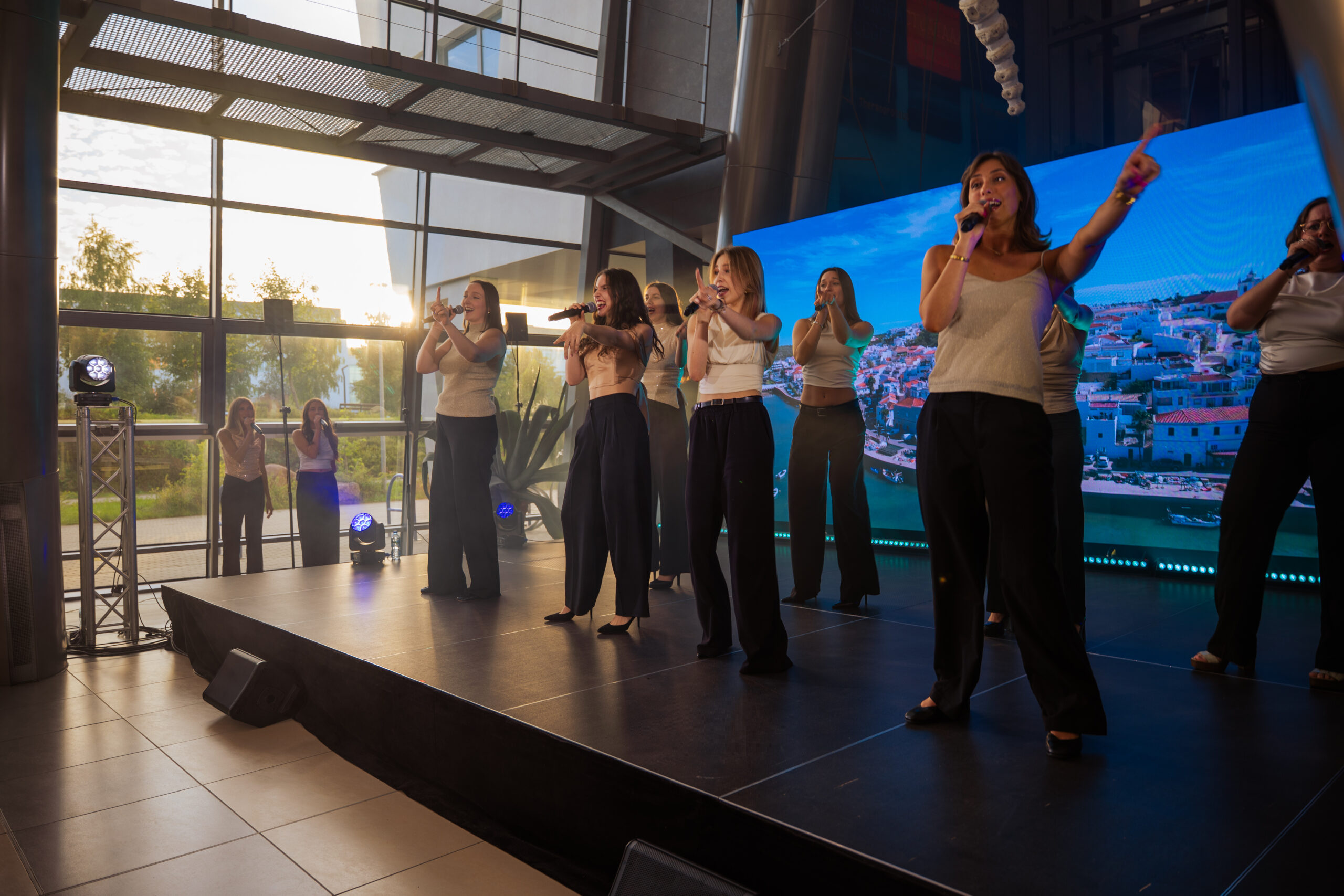
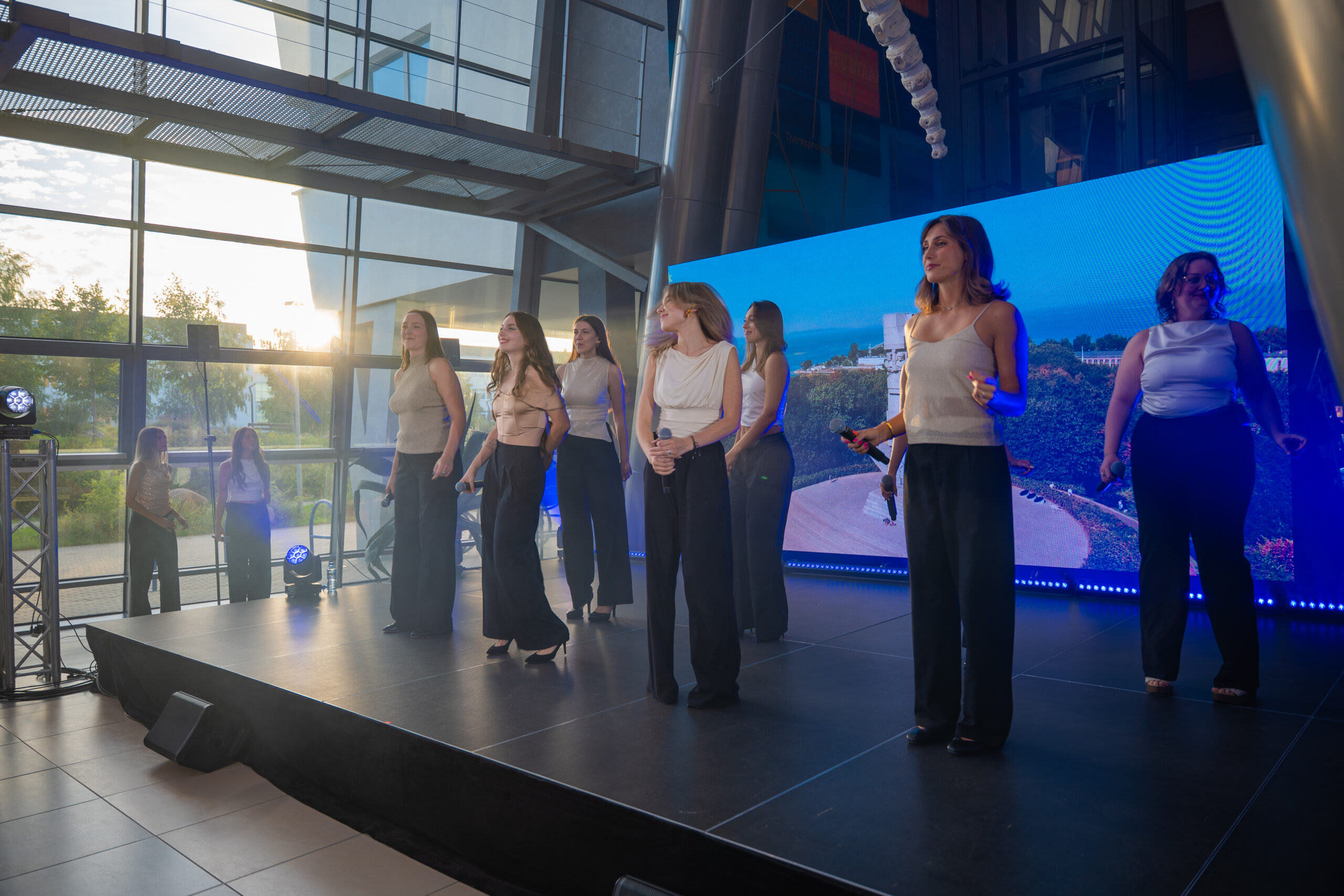
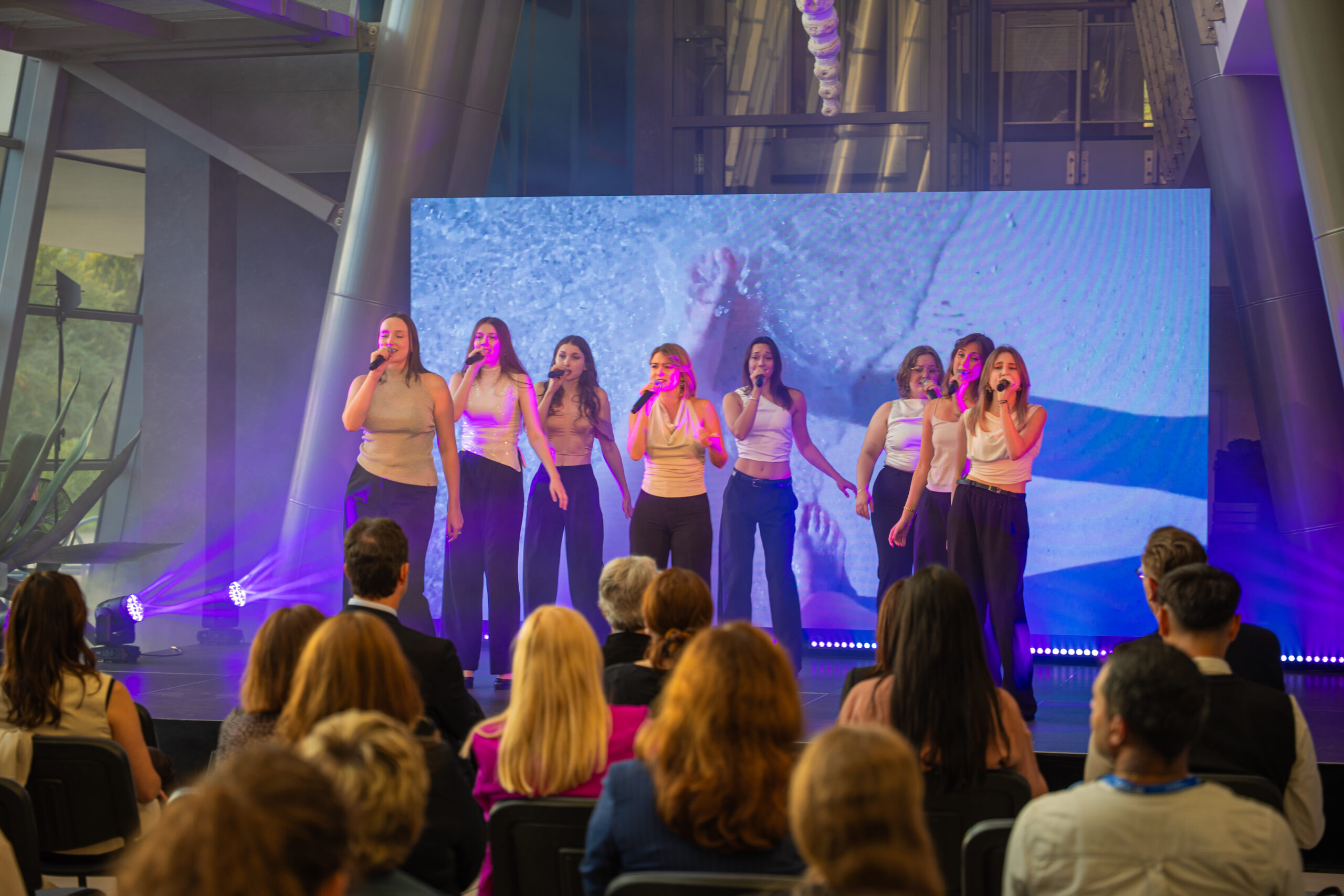
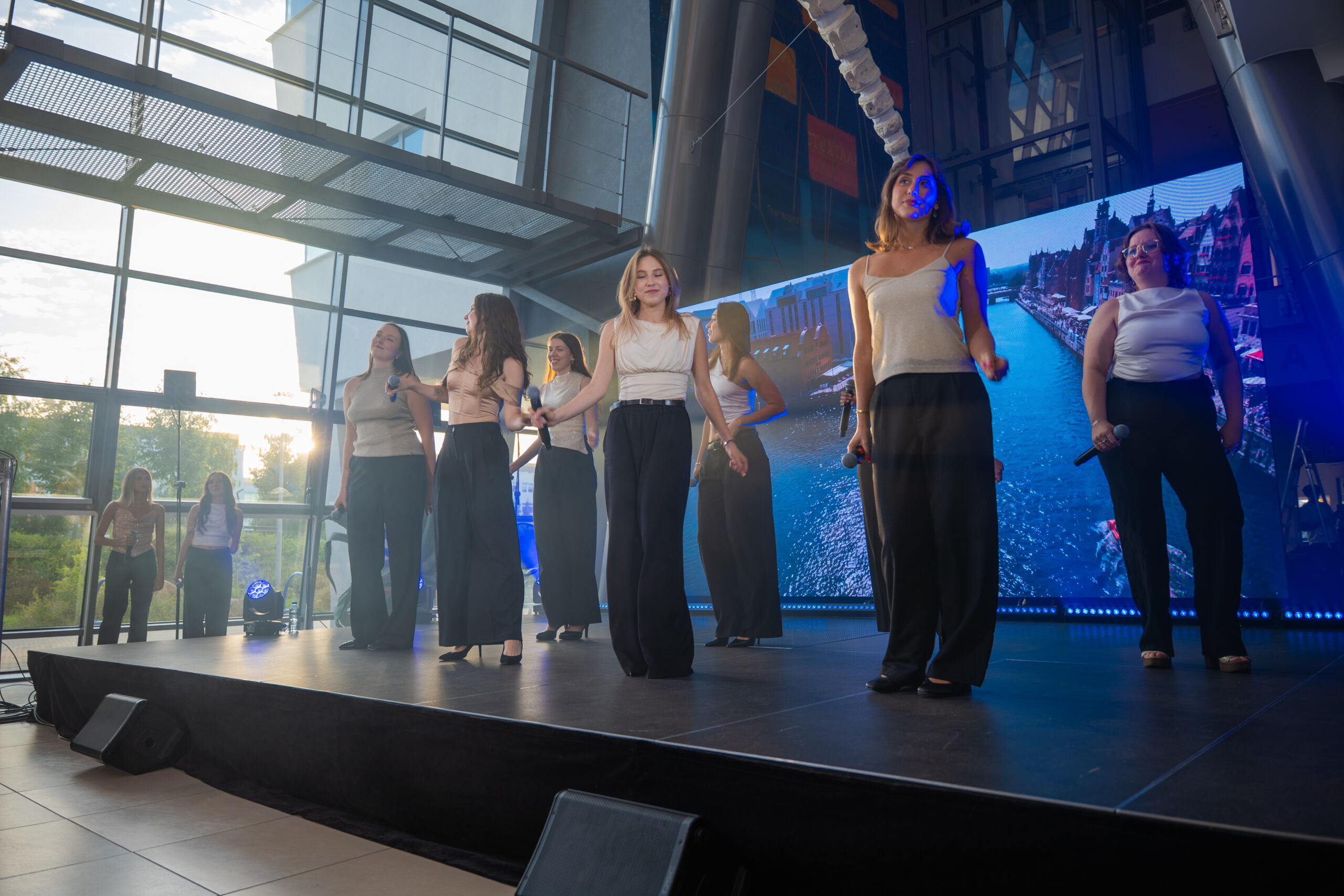
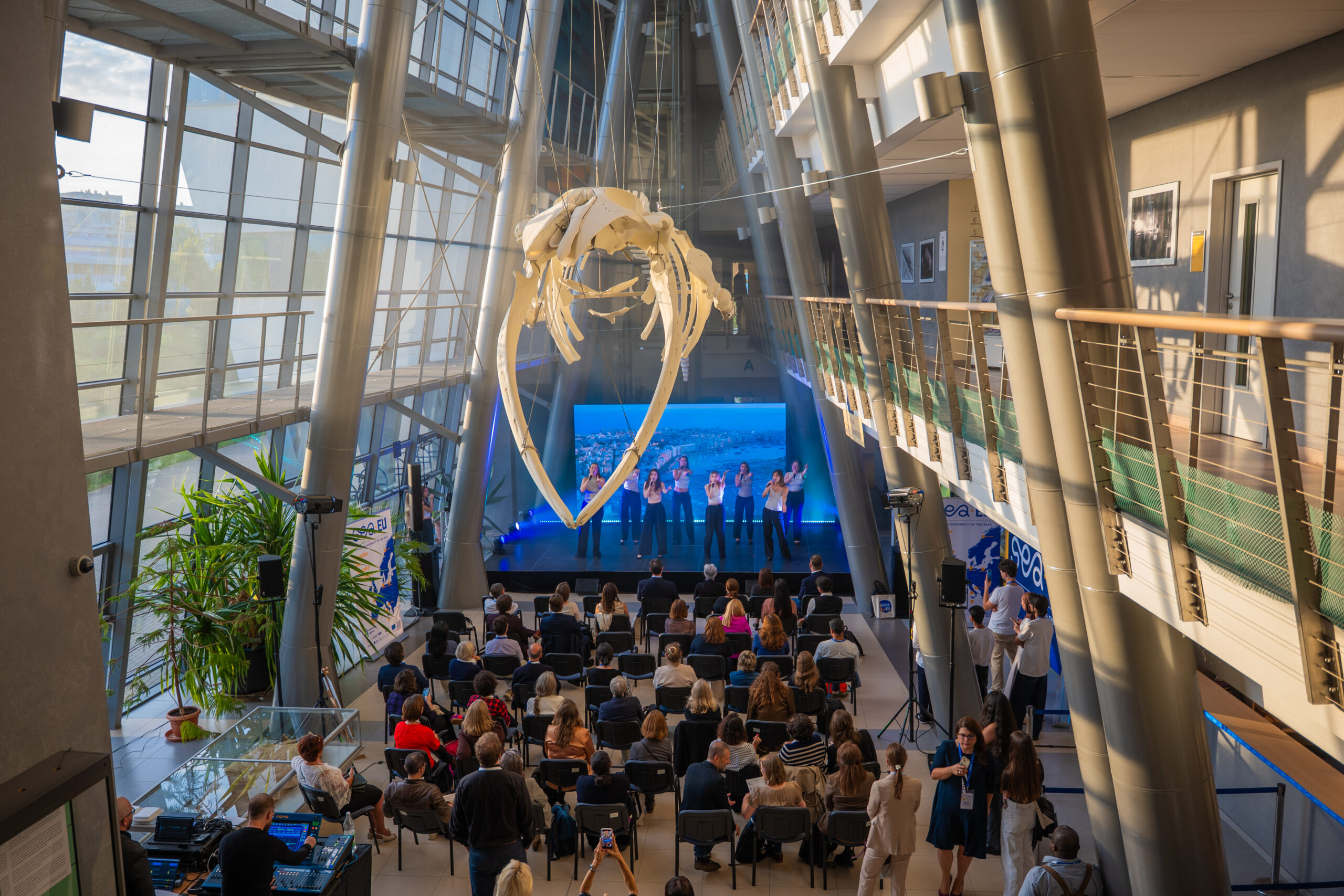
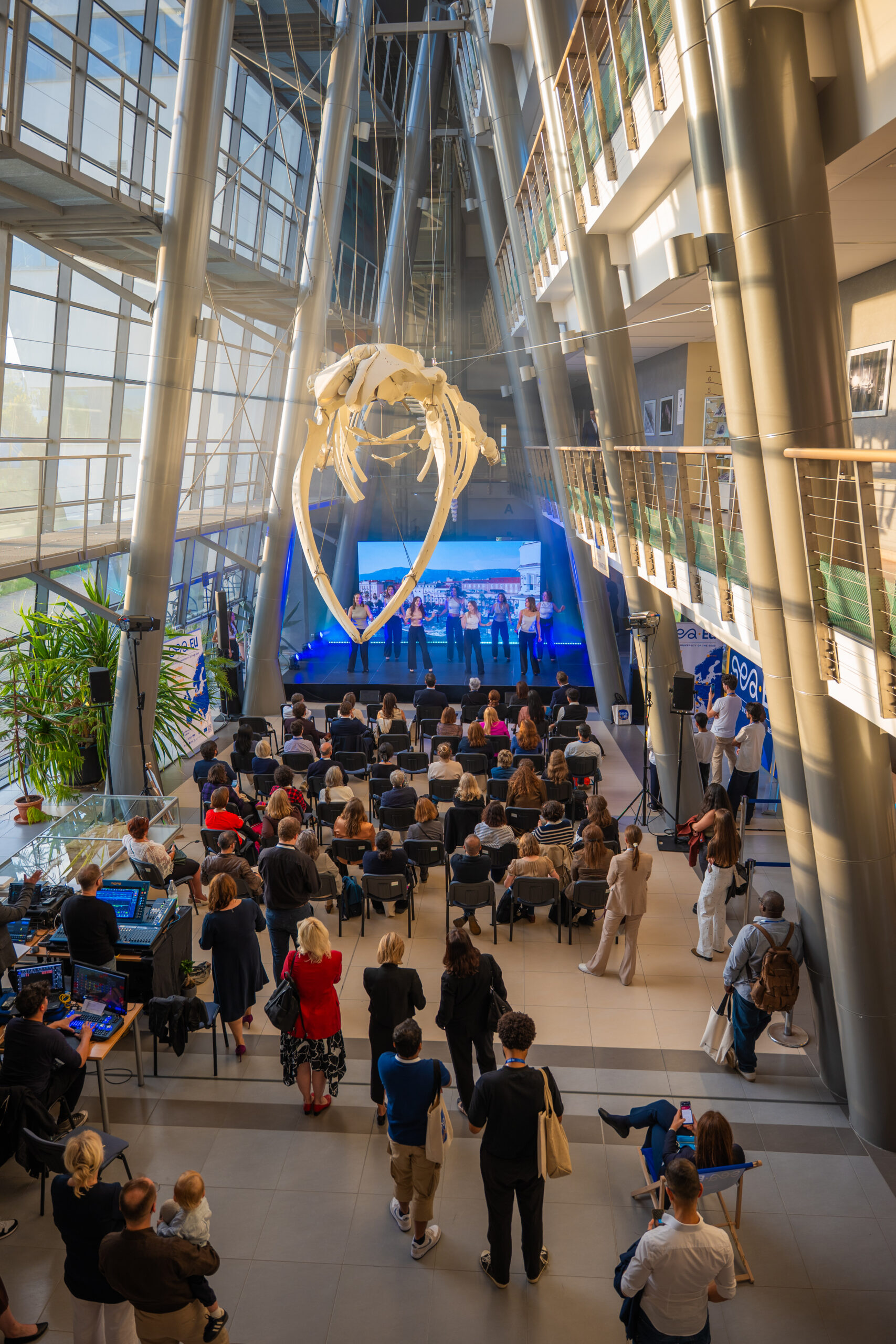
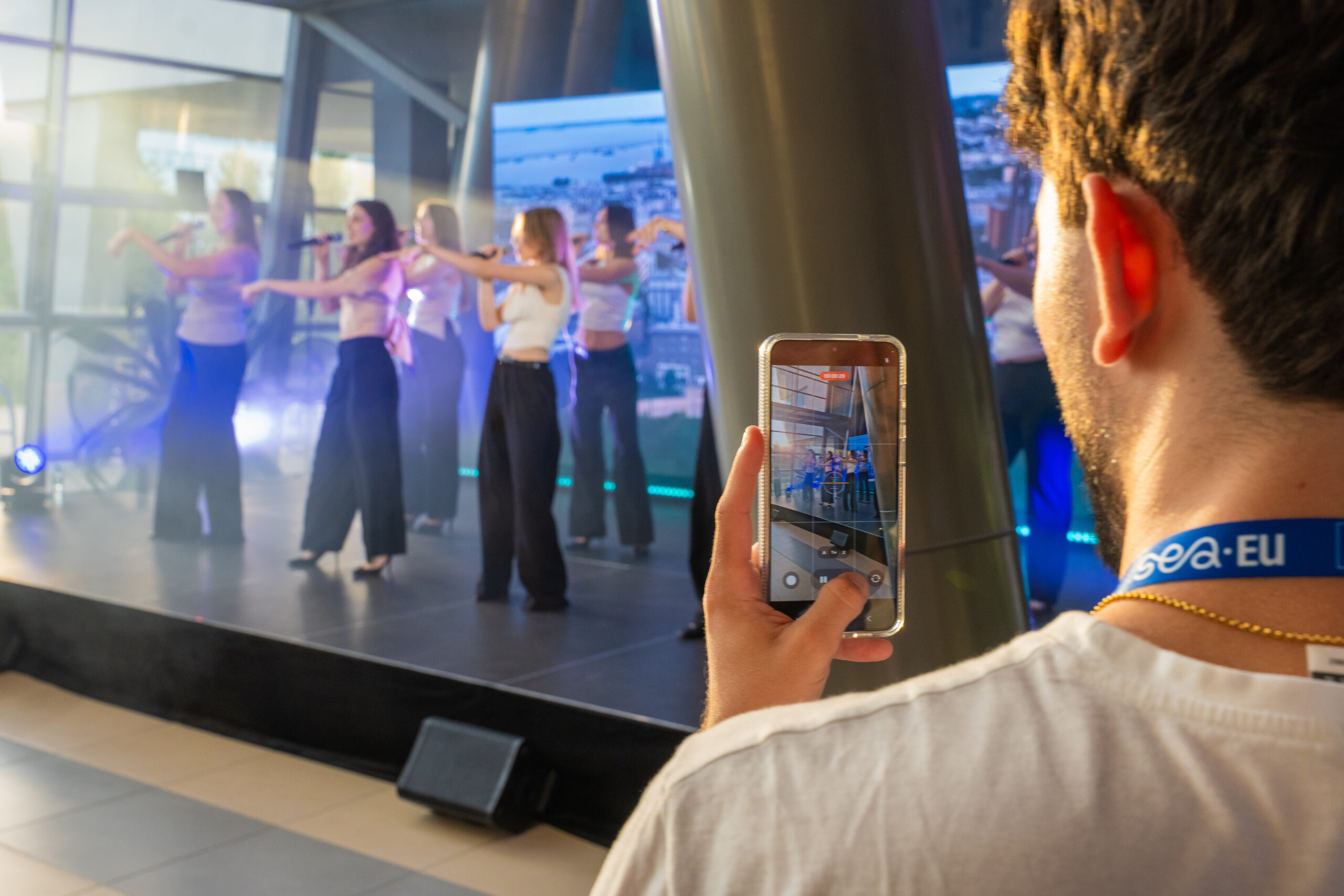
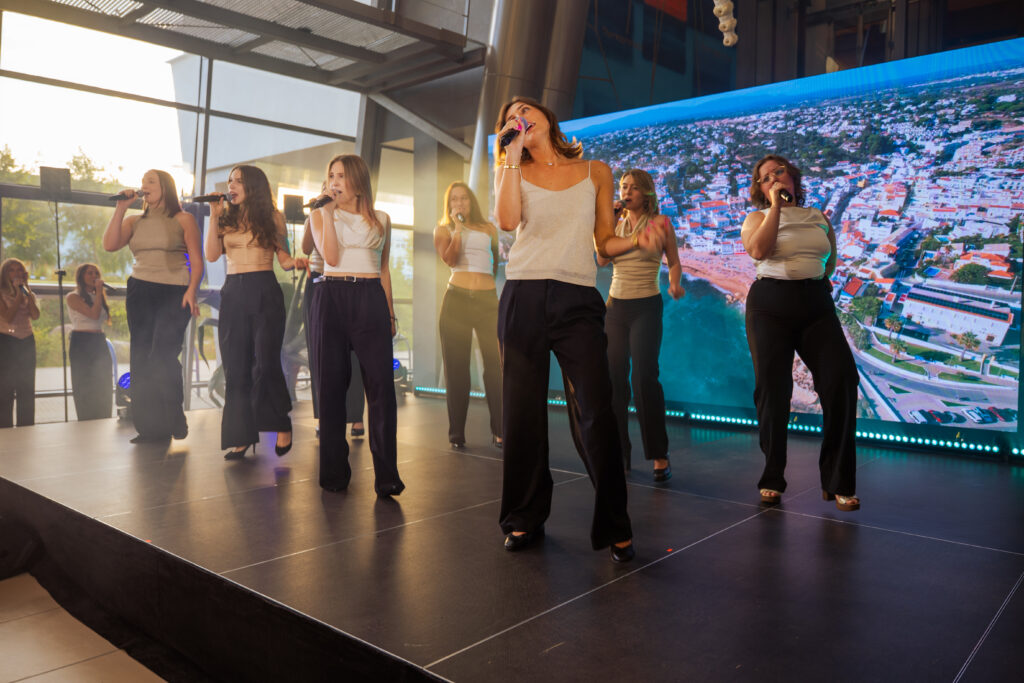
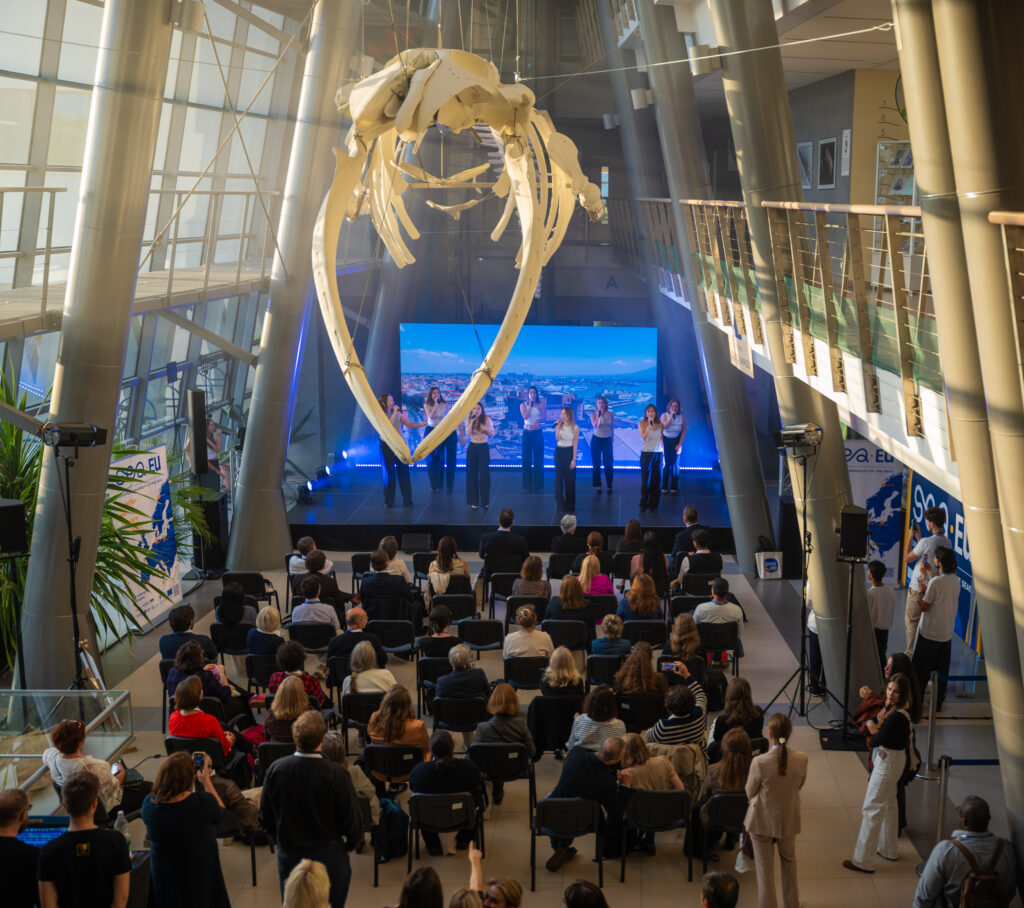
The first day concluded with a concert by the University of Gdańsk’s Vocal Studio. The event celebrated the spirit of international cooperation, cultural exchange, and shared academic values underpinning the SEA-EU Alliance. The performance was followed by an atmospheric cocktail party with live saxophone music.
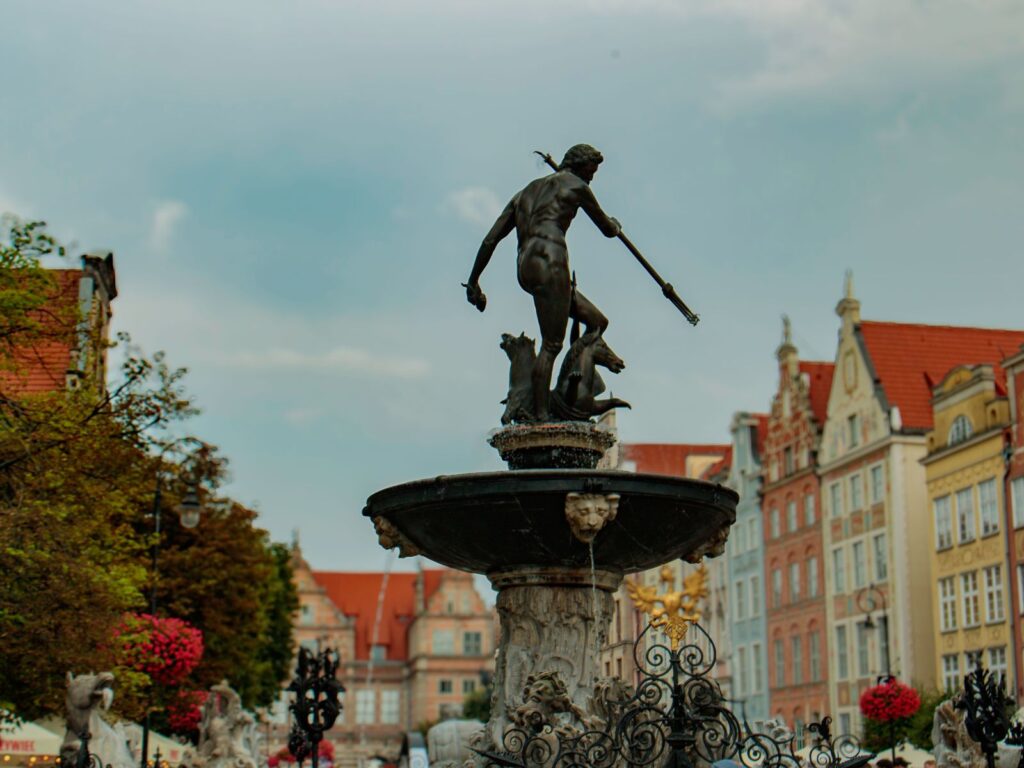
On the second day, participants explored the city centre to discover its rich, multinational heritage. At the end of the tour, a surprise awaited: a dedicated Being SEA-EU space inside an old shipyard assembly plant converted into a food hall. And for those seeking relaxation, a yoga session at the UG Main Library was organized.
What does it truly mean to be SEA-EU?
All in all, the Being SEA-EU conference provided a complete snapshot of everything that makes the SEA-EU alliance unique—an engaged international community, a commitment to European values, and inspiring collaborative activities. Events like these foster an atmosphere of openness, friendliness, and international cooperation that is familiar to SEA-EU veterans, but for newcomers, perfectly defines what it truly means to be SEA-EU